

One of the most remarkably successful forms of creative expression for young brains is coding. What was formerly thought of as a strict, technical endeavor has evolved into a vibrant kind of artistic expression. Children are using code to create music, animate stories, and bring their imaginations to digital life at educational institutions and platforms like Lyza Education. Essentially, coding is the new paintbrush, combining structure and emotion, logic and artistry.
Creative coding, according to Lyza instructors, is the fusion of reasoning and creativity. Youngsters as young as five are creating interactive worlds, creating digital soundtracks, and designing their own characters using visual platforms such as Scratch. These digital creators are creating stories, not learning syntax. Every algorithm is a layer of expression, and every code sequence becomes a sentence in a narrative. For them, coding is a creative process rather than a technical exercise.
One teacher likened coding to writing music. Young programmers use structure and creativity to create meaning, much like musicians use rhythm and harmony to evoke emotion. The process, which calls for both accuracy and intuition, is strikingly similar to writing poetry or creating architectural designs. Students can use both sides of their brains thanks to this creative duality, which combines technical proficiency with imagination and reasoning with empathy.
Organizations such as FunTech UK have witnessed how learning code fosters both technical expertise and creative self-assurance. Their coding camps encourage kids to create their own interactive stories, digital artwork, and games. By the end of the program, they have a sense of accomplishment and authorship in addition to a certificate. “It’s like creating my own universe and inviting others to visit,” one young participant said.
Table: Lyza Education — Inspiring Creativity Through Code
| Name | Lyza Education |
|---|---|
| Founded | 2018 |
| Headquarters | Singapore |
| Focus Area | Coding and AI Education for Children |
| Core Philosophy | Blending creativity with computational thinking |
| Notable Programs | Scratch, Robotics, AI for Kids |
| Age Group | 5 to 17 years |
| Key Mission | To make coding a tool for creativity, confidence, and communication |
| Reference | https://www.lyza.com.sg/post/coding-is-the-new-art-form |
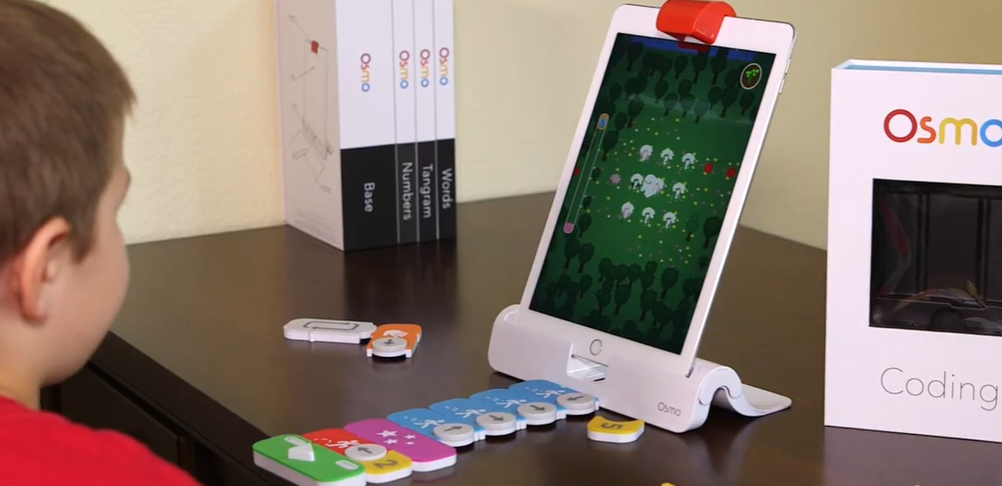
Students who think intuitively or visually will benefit most from the artistic potential of coding. Because coding is interactive and self-directed, it is frequently more accessible to kids who might find traditional subjects difficult. They feel a sense of ownership over their ideas when they see their code come to life—a moving animation or a playing song. Coding is a particularly obvious route to creative confidence because of this link between creativity and execution.
Coding is fundamentally about telling stories. Every program starts with a goal, develops via trial and error, and culminates in a product that captures the essence of its creator. Instructors frequently refer to coding classes as contemporary storytelling workshops. In addition to learning movement, a child who creates a digital story about a robot looking for friendship is also developing character development, emotional depth, and narrative structure. It’s art masquerading as education.
This change is a reflection of a larger cultural movement. Technology and creativity are combining to create new forms of expression across industries. Code is being used more and more by designers, musicians, and artists to influence sound and vision. Python or JavaScript are used by modern digital artists to create dynamic installations that respond to spectators. Light shows and music can be created using the same mathematical language that drives machines. Once thought to be strictly technical, coding is now used to tell creative stories.
Coding should be taught like music, according to music producer Will.i.am, because both fields encourage creativity. His assertion draws attention to a remarkably similar reality: creativity nowadays involves both logic and emotion. Loops are used in coding to teach rhythm, syntax is used to teach structure, and experimentation is used to teach improvisation. It provides kids with a playful, as opposed to procedural, vocabulary for innovation.
Children’s perceptions of technology are also being influenced by creative coding. They are learning to view digital devices as canvases for creation rather than as tools for consumption. A child transitions from being a passive user to an active creator when they create an animation or game. This mentality change encourages self-reliance, curiosity, and fortitude—qualities that are extremely beneficial in school and in life.
Teachers have discovered that this kind of education results in noticeably better problem-solving skills. Persistence, experimentation, and adaptability—skills frequently exhibited by artists and inventors—are necessary for coding. Students learn to debug, rethink, and redesign when something doesn’t work. They learn from the process to see errors as opportunities to try new things rather than as failures. Children who are growing up in the rapidly evolving digital age will especially benefit from this iterative mindset.
Programs that take a particularly creative approach to education include Lyza’s “Creative Tech” curriculum. Teachers start by asking students, “What story do you want to tell?” rather than just concentrating on technical accuracy. Students then learn how to use animation, sound, or interaction to convey their ideas. The method promotes curiosity, teamwork, and creative risk-taking; it feels more like an art studio than a classroom.
There are cognitive advantages to this combination of logic and art. According to neuroscientists, coding combines analytical reasoning with visual-spatial thinking, activating several brain regions. It’s a very effective mental exercise that develops critical thinking and creative intuition. Long-term, this equilibrium fosters conceptual thinking in kids while keeping them firmly rooted in structure.
Classrooms throughout Asia, Europe, and North America are demonstrating the global trend toward coding as a creative discipline. Schools in Finland and Japan are encouraging students to create visual installations that react to movement or sound by fusing coding with art and music education. These projects are emotionally captivating in addition to being technically impressive. They demonstrate that, in addition to logic, coding can be a language for expressing beauty.
Youngsters are growing up in a time when being creative is evaluated not only on your ability to imagine things but also on your ability to construct them. They acquire the ability to make abstract ideas come to life through coding, whether that be through creating digital music, animating a short film, or designing an application. Their imagination is as limitless as the possibilities.
Coding’s emotional and artistic benefits are already changing how media, museums, and educational institutions view creativity. Algorithms are now used as creative tools in digital installations at the Museum of Modern Art, turning lines of code into dynamic visual experiences. Similar to this, international contests for young programmers honor creativity just as much as technical proficiency, demonstrating that coding is no longer limited to labs but rather belongs in studios.
Disclaimer
Nothing published on Creative Learning Guild — including news articles, legal news, lawsuit summaries, settlement guides, legal analysis, financial commentary, expert opinion, educational content, or any other material — constitutes legal advice, financial advice, investment advice, or professional counsel of any kind. All content on this website is provided strictly for informational, educational, and news reporting purposes only. Consult your legal or financial advisor before taking any step.
