

On a Tuesday morning in Tulsa, you might enter a third-grade classroom that doesn’t look much like school. A child in the back row is constructing a model out of leftover cardboard while explaining her design decisions to no one in particular. Near the window, two boys are having a sincere argument about whether the conclusion of their story makes sense. Instead of responding to the questions, the instructor is shifting between tables. It appears a little disorganized. Most likely, it is. Additionally, there is a plausible argument that it is currently the most significant development in American education.
For decades, the research on this topic has been in plain sight. In 1967, E. Paul Torrance documented what he called the “fourth-grade slump”—a quantifiable, steady decline in divergent thinking that occurs in children between the end of the third and the start of the fourth grade, usually between the ages of eight and eleven. It’s not a secret. It nearly perfectly corresponds to the point at which children enter what developmental theorists refer to as the concrete operational phase, when reasoning begins to feel more fulfilling than creativity. Instead of acting as a buffer against this change, the educational system tends to hasten it. Children are subtly taught to wait for permission before thinking in IRE classrooms, which follow the initiate, respond, evaluate pattern that most teachers were trained in. Many of them have completely given up on trying to be unique by fifth grade.
The cost of that may not have been sufficiently considered by anyone. structurally as well as for the individual kids. Generative AI will be able to write reports, summarize documents, and pass the majority of standardized tests by 2026. What it can’t do, at least not yet, is sit in a room full of perplexed people and come up with a truly original solution to a problem that no one has completely defined. Every year, we insist that the correct response is more important than an unexpected one, which erodes that skill. Tulsa, with its comparatively strong early childhood infrastructure and community-driven creative programming, has been quietly sitting on one side of the growing conflict in education policy between the old metrics and the new reality.
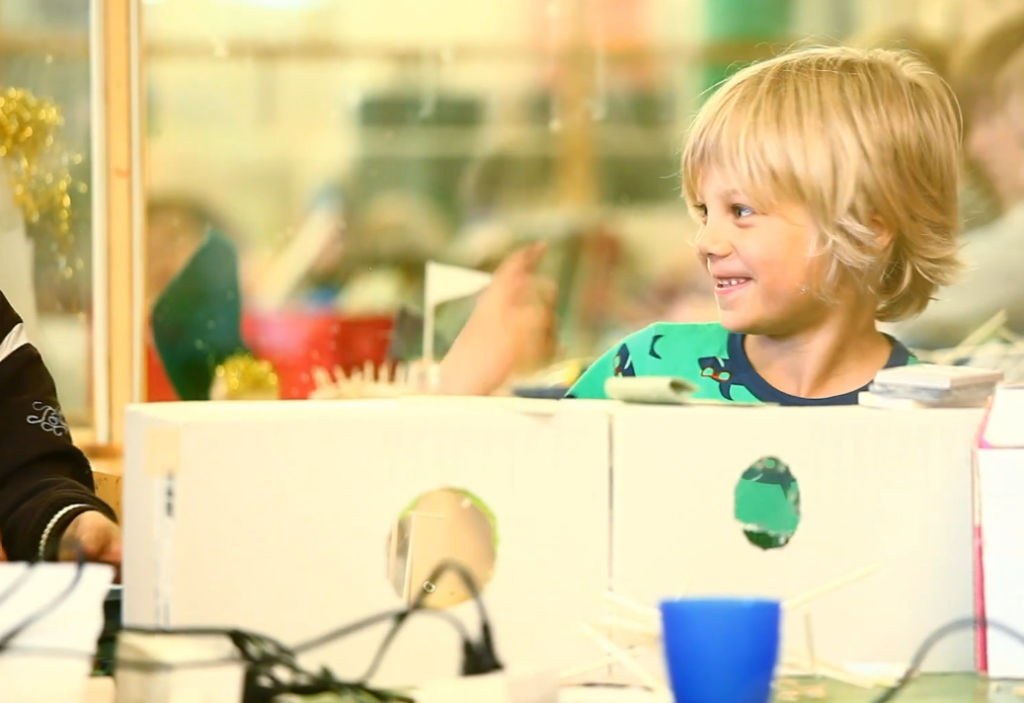
Researchers distinguish between “big C” and “little c” creativity in the scholarly literature on creative pedagogy. Big C is the stuff of history books: movements that transform culture, inventions that alter the world. Little C is more subdued. A nine-year-old comes up with a fresh explanation for why her response differs from the teacher’s. Despite not knowing what “lateral thinking” is, the student uses common household items to demonstrate it. Little C is not a lesser version of big C, according to the argument being made in classrooms that take this seriously. It is a prerequisite for it. Without supporting the other during its most vulnerable years, you cannot reach one.
The conversation about creative education in 2026 feels different from earlier iterations of the same argument because context is bearing down on it from all sides. According to data from a survey of sixteen to eighteen-year-olds, 93% of them said that creative education improved their mental health and well-being. Ten years ago, this figure would have been considered aspirational, but in light of the recent changes to adolescent mental health, it now seems almost urgent. Separately, studies have revealed that schools affected by the pandemic are still recovering in terms of teaching creative subjects in particular, with participation falling even as the need for creativity continues to grow. It’s difficult to miss the irony.
Here, teachers bear the majority of the responsibility, which is where the theory usually becomes convoluted. A teacher who doesn’t back down when a student’s response is unexpected rather than incorrect is necessary to create a classroom atmosphere that truly fosters little C creativity. According to research, a lot of educators have unintentionally picked up preconceived notions about creativity, such as the idea that it entails nonconformity, that it necessitates creating something tangible, and that it belongs in art classes rather than math classes. It is not difficult to modify these beliefs. But a policy memo is not enough to change them. Time, education, and an institutional culture that genuinely upholds its stated values are necessary.
As I watch all of this unfold, I get the impression that the kids in the most innovative classrooms, whether in Tulsa or anywhere else with the financial means to do so, are creating something that won’t appear on any standardized test for years, if at all. the capacity to maintain curiosity when a problem defies simple solutions. the ability to tolerate ambiguity, which is actually necessary for sound judgment. These aren’t “soft skills” in the derogatory sense. They are becoming more and more popular. Additionally, a third-grader may be constructing more of it than most people realize with a piece of cardboard and an unresolved dispute about story structure.
Disclaimer
Nothing published on Creative Learning Guild — including news articles, legal news, lawsuit summaries, settlement guides, legal analysis, financial commentary, expert opinion, educational content, or any other material — constitutes legal advice, financial advice, investment advice, or professional counsel of any kind. All content on this website is provided strictly for informational, educational, and news reporting purposes only. Consult your legal or financial advisor before taking any step.
