

The cold isn’t the first thing tourists notice when they visit the Arctic. It’s the silence. The tracks of animals moving silently through a landscape that has shaped their instincts for thousands of years are the only sound to break the blank page of snow that covers the tundra. However, the landscape has been changing more quickly lately than the creatures that inhabit it might like.
Wildlife throughout the far north is adapting to a world that no longer acts in the same manner. In areas where sea ice was once thought to be permanent, it sometimes fails to return at all, melts earlier, and forms later. For ice-dependent species like seals, polar bears, and walruses, the change feels more like an abrupt rewriting of the rules than a gradual transition.
| Category | Information |
|---|---|
| Region | Arctic Circle (Northern Hemisphere polar region) |
| Ecosystem Type | Polar tundra and sea-ice ecosystem |
| Climate Trend | Arctic warming roughly three times faster than global average |
| Key Wildlife | Polar bears, caribou (reindeer), Arctic foxes, walruses, migratory birds |
| Major Environmental Change | Rapid loss of sea ice, thawing permafrost, shifting ecosystems |
| Adaptation Examples | Polar bears hunting on land, birds migrating earlier, seals shifting diet |
| Estimated Arctic Biodiversity | Over 21,000 known species |
| Major Threats | Climate change, industrial activity, new predators and diseases |
| Reference Source | World Wildlife Fund – Arctic |
| Additional Conservation Insight | International Fund for Animal Welfare Arctic Wildlife |
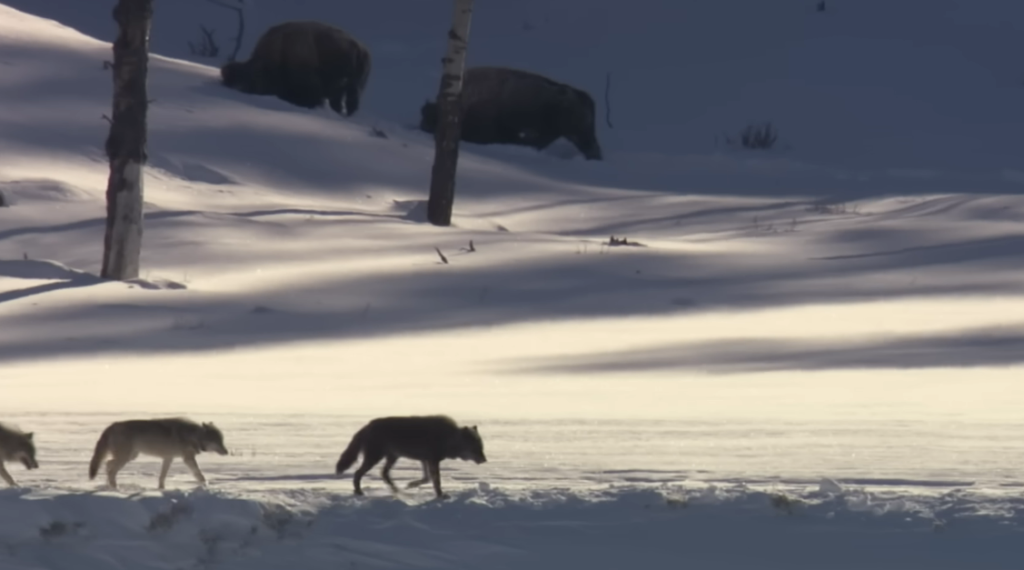
Perhaps the most obvious example is the polar bear. They typically hunt seals from the sea ice’s edge, patiently waiting in a sort of frozen ambush by breathing holes. However, the ice now recedes earlier in the year in regions like Svalbard and portions of Greenland. Some bears have started to spend more time on land, where they hunt reindeer, eat eggs, and scavenge bird colonies. Researchers are occasionally cautiously impressed by this behavior. Bears are predators with intelligence. They make things up as they go along. Even so, it’s difficult to deny the feeling that this is more of a survival tactic than a long-term plan.
Perhaps evolution is also working in the background. Hints of genetic flexibility—tiny molecular changes that might help polar bears adapt to warmer temperatures or different diets—have been observed by some scientists researching polar bear populations. It’s unclear if those changes will happen quickly enough. After all, evolution typically operates at a slower pace than climate.
Caribou herds are facing their own difficulties elsewhere on the tundra. These animals travel great distances and follow a seasonal rhythm that predates the majority of human settlements. However, that journey has recently become more difficult due to unusual winter weather. Instead of snow, warmer air can occasionally bring rain. The rain turns into a hard crust on top of the tundra when the temperature drops once more. Lichen, the caribou’s winter food, is beneath that crust and is abruptly shut off.
In some regions of Canada and Scandinavia, herders have observed entire herds of animals struggling to break through the ice. Thousands starve during some winters. The animals seem to be making adjustments where they can, changing their feeding habits or migration routes. However, adaptation requires time, and the Arctic climate doesn’t appear to want to slow down.
Another subtle indicator that the ecosystem is changing is the presence of birds. Arctic breeding grounds are now reached earlier in the spring by migratory species that come from Europe or Africa. Over the past few decades, shorebirds and eagles have shifted their migration schedules forward by almost two weeks in some areas. Like passengers catching an earlier train, the birds seem to be modifying their schedule in response to warmer temperatures and earlier snowmelt.
However, in delicate ecosystems, timing is crucial. Entire food chains may become out of balance if insects hatch before birds arrive or if plants bloom too early. This is sometimes referred to as “ecological mismatch” by scientists who study Arctic wetlands. Although it sounds technical, the truth is straightforward: animals that arrive at the wrong time might discover a table that is empty.
Beneath the icy surface, even marine life is changing. Some seals that were previously primarily dependent on Arctic cod are now consuming Atlantic cod, a species that was formerly found further south, in the waters surrounding Svalbard. As ocean temperatures gradually rise, new fish species have subtly entered the Arctic region. This presents an opportunity for certain animals. Others see it as competition.
Additionally, there is a noticeable human presence infiltrating the area. Once-impassable shipping lanes have opened due to sea ice melting. Nowadays, cargo ships pass through portions of the Arctic Ocean in the summer, their engines humming through waters where whales primarily use sound to navigate. Ship traffic growth adds a complex new component to an ecosystem that is already changing: pollution, noise, and collision hazards.
There is a sense that the Arctic is turning into a living experiment as we watch this happen. Animals that have evolved to survive in extremely cold environments are being asked to adapt to a world that appears to be getting stranger by the day. Certain species are remarkably resilient. For example, Arctic foxes have demonstrated remarkable adaptability by changing their diets or scavenging when prey becomes scarce. Some seem more vulnerable, such as some seabirds.
It’s difficult to ignore the disparity between the Arctic’s current rate of change and its reputation for permanence. For many years, the area represented stability due to its slow geological time, endless winter, and ancient ice. The Arctic is now frequently referred to by scientists as the planet’s fastest-changing environment.
Nevertheless, life keeps changing in subtle ways. A seabird colony is being searched by a polar bear. A herd of caribou changing its path through the tundra. An annual migratory bird that arrives a bit earlier. Both admiration and uneasiness are felt as these changes are being made.
Disclaimer
Nothing published on Creative Learning Guild — including news articles, legal news, lawsuit summaries, settlement guides, legal analysis, financial commentary, expert opinion, educational content, or any other material — constitutes legal advice, financial advice, investment advice, or professional counsel of any kind. All content on this website is provided strictly for informational, educational, and news reporting purposes only. Consult your legal or financial advisor before taking any step.
