

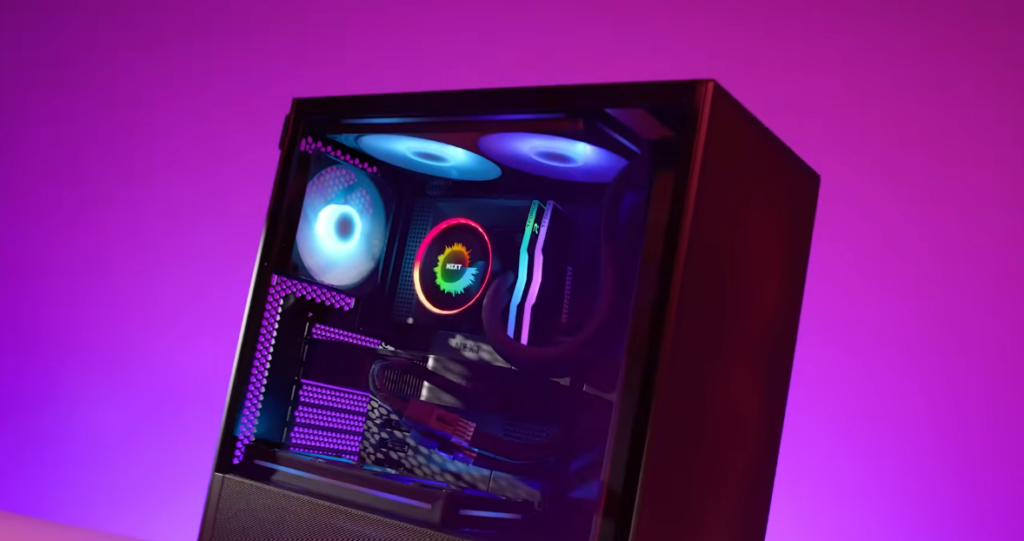
A gaming PC that arrived somewhat different from what was advertised is located somewhere in a teen’s bedroom, most likely still glowing with the blue LED strips that came with the setup. A bit less GPU. A bit less processing power. Different parts, same box, same price. That is one of the main accusations at the center of the $3.45 million NZXT Flex class-action settlement, which was reached in California District Court and covers almost 20,000 clients who took part in the company’s rental program between October 2023 and March 2026.
In the middle of 2024, NZXT launched its Flex PC rental program, positioning it as an affordable way for those who couldn’t afford to buy a PC to start playing video games. On the surface, the pitch seemed reasonable—monthly payments, flexible terms, a way forward for those priced out of the hardware market—and it resonated with an audience that wanted it to be true. The market for PC gaming hardware has been harsh in recent years, with entry-level builds costing much more than they did a few years ago and GPU prices remaining stubbornly high. A rental option seemed almost generous in that context.
After looking into the program, Gamers Nexus, a YouTube channel renowned for its meticulous, technically demanding hardware coverage, published a video denouncing it as a “predatory, evil rental computer scam.” In later court documents, that phrase was used. Bait-and-switch hardware substitutions, in which customers received machines with fewer components than the ones advertised; marketing that strongly implied a rent-to-own structure when the actual contracts offered no ownership path at all; and aggressive debt collection by billing partner Fragile Inc. against customers who attempted to exit confusing lease agreements—sometimes pursuing debts that had already been paid—are some of the practices that formed the foundation of the class action, according to the channel’s investigation, which was extensively cited in the legal documents. The program allegedly targeted younger consumers with marketing that suggested they could rent a PC, win a Fortnite tournament with the winnings, and then buy the machine outright. This is perhaps the most damning in terms of public opinion. It was the kind of pitch that appeals to people who don’t have the funds to purchase a computer because it seems doable.
| Category | Details |
|---|---|
| Company | NZXT (PC hardware manufacturer) |
| Co-Defendant | Fragile Inc. (billing partner) |
| Program Name | NZXT Flex (gaming PC rental subscription) |
| Settlement Amount | $3.45 million (preliminary) |
| Court | California District Court |
| Legal Basis | Civil RICO Act (mail and wire fraud allegations) |
| Class Period | October 19, 2023 – March 30, 2026 |
| Number of Class Members | Approximately 19,322 |
| Debt Forgiveness Pool | $923,117.92 (up to $5,000 per delinquent customer) |
| Hardware Ownership Pool | $1,216,129.02 (for customers renting 2+ years) |
| Cash Payout Estimate | $450–$500 per eligible claimant (at 10% claim rate) |
| Settlement Website Launch | Expected around April 28, 2026 |
| Final Approval Hearing | Expected after September 2026 |
| Key Investigator | Gamers Nexus (YouTube channel) |
| Flex Program Status | Still active as of settlement announcement |
Courts do not take the civil Racketeer Influenced and Corrupt Organizations Act (RICO) designation lightly. It is necessary to allege a pattern of fraudulent conduct, including mail and wire fraud, rather than just one bad practice, in order to file a case under RICO. The plaintiffs were successful in their argument that NZXT and Fragile’s cumulative behavior satisfied that requirement. Before a trial, the case was settled.
Three separate pools make up the $3.45 million preliminary settlement. Customers who are over 90 days behind on their payments are covered by the debt forgiveness pool, which has a total value of about $923,000. They are eligible for up to $5,000 in debt forgiven, and the settlement terms indicate that this will happen automatically for those who qualify without requiring them to go through a difficult claim process. Customers who paid into the program for at least two years and thought they were part of a rent-to-own arrangement can now, if they file a claim, receive full ownership of the PC sitting in their home thanks to the hardware ownership pool, which is valued at about $1.2 million. This may be the most viscerally satisfying aspect of the agreement. Two years of payments indicates that those customers spent at least $1,920 on a machine they technically didn’t own until this settlement stated otherwise, given that the lowest Flex tier costs about $80 per month. Two years of payments would have exceeded $7,400 for the more expensive “Flex Three Prime” tier, which comes with an RTX 5080 and a Core Ultra 9 processor. Former tenants who returned their machines and owe nothing can choose to receive a cash payout; the amount will depend on the total number of claims filed. According to current estimates, if about 10% of the eligible class files, payouts could be between $450 and $500 per person.
Observing the current state of the tech hardware industry gives me the impression that the NZXT case involves the poor decision-making of multiple companies. There is a real need for alternative access models, such as subscription gaming, cloud gaming, and yes, rental programs, due to the scarcity of GPUs and their exorbitant costs. It is a real space. There is a genuine need. It is alleged that NZXT and Fragile took advantage of this need by using terms that made it difficult for customers to understand what they were actually signing. A clear, reasonably organized gaming hardware rental program might be successful in this market. The settlement implies that this one wasn’t that.
The Flex program is still in operation. You can still register for it today. As part of the settlement, NZXT pledged to stop the more egregious marketing practices mentioned in the lawsuit and to update its promotional materials. It’s still unclear if the structural issues—indefinite leases, lack of a true ownership path—have been adequately addressed. Final judicial approval is not anticipated until after September 2026, and the settlement website is anticipated to launch around April 28.
Disclaimer
Nothing published on Creative Learning Guild — including news articles, legal news, lawsuit summaries, settlement guides, legal analysis, financial commentary, expert opinion, educational content, or any other material — constitutes legal advice, financial advice, investment advice, or professional counsel of any kind. All content on this website is provided strictly for informational, educational, and news reporting purposes only. Consult your legal or financial advisor before taking any step.
