

When I first learned about the audit, it seemed almost too neat to be true. A small nonprofit claimed to have found prosecutorial misconduct in over 1,200 previous criminal cases using a machine-learning model trained on decades of court transcripts and a small team of researchers.
Not suspected. Cross-referenced, flagged, and, in many cases, already acknowledged at some point in the record. The kind of thing that would have made the evening news for a week in a different situation. Rather, it hardly caused any disturbance. Naturally, the Justice Department is not happy.
| Key Facts at a Glance | Details |
|---|---|
| Subject | AI-driven audit of prosecutorial misconduct in U.S. criminal cases |
| Cases Reviewed | Over 1,200 convictions flagged with documented irregularities |
| Source of Findings | Nonpartisan legal-review group using machine-learning models |
| Share of Wrongful Convictions Tied to Official Misconduct | 43%, according to the National Registry of Exonerations |
| Sanction Rate Against Prosecutors | Roughly 1–2% of reported cases |
| Estimated U.S. Prosecutors | Around 30,000 |
| DOJ Position | Has dismissed several findings; new whistleblower program announced separately |
| Public Perception | 43% of Americans believe prosecutorial misconduct is widespread |
| Related Federal Focus | Sentencing enhancements for AI misuse under DOJ policy |
You will see the same thing when you enter any county courthouse across the nation. The prosecutors act quickly. Coffee cups balanced on briefcases, stacks of folders, and the kind of practiced exhaustion that results from managing a docket with too many cases and too few hours. The majority of them might be working honestly.
Most likely, it is. However, the math of oversight reveals a different picture. Only one or two out of every hundred cases in which judges report misconduct result in sanctions. The incentives subtly indicate the wrong direction.
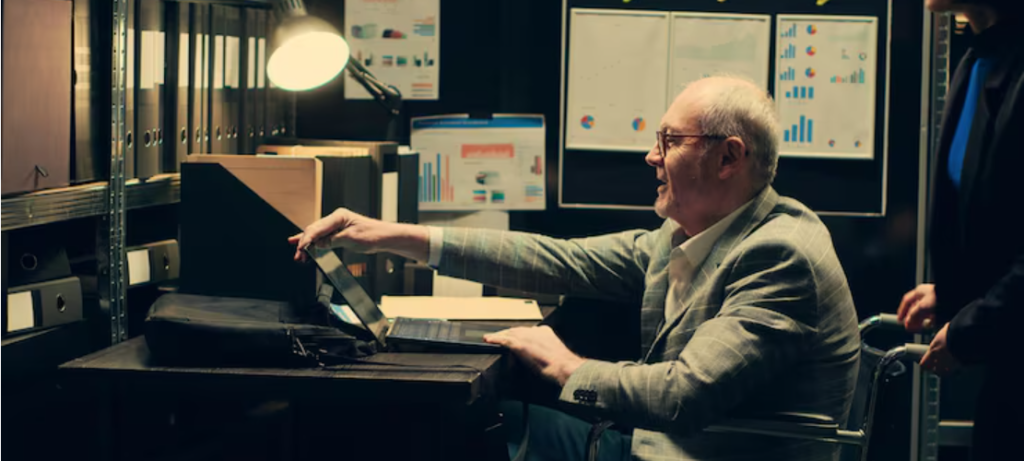
The audit is not magical in and of itself. It reads documents, cross-checks witness statements, compares them to appellate decisions, and searches for the tiny traces that prosecutors frequently leave behind when taking shortcuts. withheld proof. charge stacks that are inflated. statements made by the jury that are untrue. Years ago, a report from the Center for Prosecutor Integrity named the pattern a “epidemic.” The AI failed to identify the issue. It simply counted it, and people were offended by the counting.
Speaking with defense lawyers gives the impression that none of this is shocking to them. The fact that anyone is writing it down surprises them. The response within her office, according to a seasoned public defender, was “grim relief.” grim because the appeals windows are largely closed and the cases are outdated. I’m relieved that the evidence isn’t anecdotal for once.
It is more difficult to read the DOJ’s discomfort. Over the past year, the department has officially leaned toward reform language, including stronger corporate self-reporting incentives, a new whistleblower pilot program, and sentencing enhancements for AI misuse in white-collar crime. In her speeches, Deputy Attorney General Lisa Monaco has highlighted the department’s “carrot-and-stick” strategy and accountability.
However, the tone changes when the stick turns inward. The audit’s methodology, dataset, and motivations have all been questioned by officials. A portion of the criticism is valid. It sounds at times like a bureaucracy defending its position.
It’s difficult to ignore the irony. When AI is used to audit the government itself, a department that is keen to penalize businesses that abuse it to “supercharge” illicit activity is unsure of what to do. An old CPI report mentioned Aaron Swartz, serving as a reminder of what federal prosecutorial overreach can look like. Any discussion about DOJ culture still has that case in the background.
It’s still unclear if this audit compels real reform. There is little political desire to acknowledge systemic failure, and old convictions are difficult to reopen. However, the figures are now available. As this develops, it is not the tool’s accuracy that is being silently questioned. The question is whether the system based on these prosecutors can withstand any kind of measurement.
Disclaimer
Nothing published on Creative Learning Guild — including news articles, legal news, lawsuit summaries, settlement guides, legal analysis, financial commentary, expert opinion, educational content, or any other material — constitutes legal advice, financial advice, investment advice, or professional counsel of any kind. All content on this website is provided strictly for informational, educational, and news reporting purposes only. Consult your legal or financial advisor before taking any step.
