

A lawsuit that could turn a labor dispute into a criminal case was filed in McLean County Circuit Court on Tuesday night on the Illinois State University campus in Normal, Illinois, somewhere between the dining halls where contracted temporary workers are currently preparing meals and the picket lines where about 300 union members have been standing since April 8.
The union that represents ISU’s building services, grounds, and food workers, AFSCME Local 1110, filed the complaint after allegedly witnessing the university hire contractors to replace striking employees for almost two weeks. This practice is classified as a Class A misdemeanor under the Illinois Employment of Strikebreakers Act, which was passed in 2004. The law is clear: no one may knowingly hire a professional strikebreaker to replace an employee whose employment has been suspended due to a strike. According to the union, ISU engaged at least five businesses, including four cleaning firms, to carry out that task. AFSCME identified the contractors and urged the university to cease using them in a letter sent to the university on April 15, the day both parties met with a federal mediator and were unable to come to an agreement. The university did not reply.
| Case | AFSCME Council 31 / Local 1110 v. ISU Board of Trustees et al. |
|---|---|
| Filed | Tuesday, April 22, 2026 — McLean County Circuit Court, Illinois |
| Plaintiffs | AFSCME Council 31; AFSCME Local 1110; Local 1110 President Chuck Carver; Normal Township Supervisor Krystle Able; two ISU students |
| Defendants | ISU Board of Trustees; ISU President Aondover Tarhule; VP for Finance Glen Nelson; Associate VP for Human Resources Janice Bonneville; Assistant Director of Labor Relations Janice Bonneville |
| Assigned Judge | McLean County Judge Rebecca Foley |
| Law at Issue | Illinois Employment of Strikebreakers Act (2004 amendment) |
| Classification of Violation | Class A misdemeanor |
| Strike Start Date | April 8, 2026 |
| Union Members Represented | Approximately 300–350 building services, grounds, and dining workers |
| Alleged Contractors Hired | At least 5 (including 4 cleaning agencies) |
| Previous Contract Expired | June 30, 2025 |
| Last Mediation Session | April 15, 2026 (federal mediator; no agreement reached) |
| ISU Response | Has not received formal court notification; claims compliance with state procurement law |
| Relief Sought | Declaratory judgment of violation; injunction to halt replacement worker use |
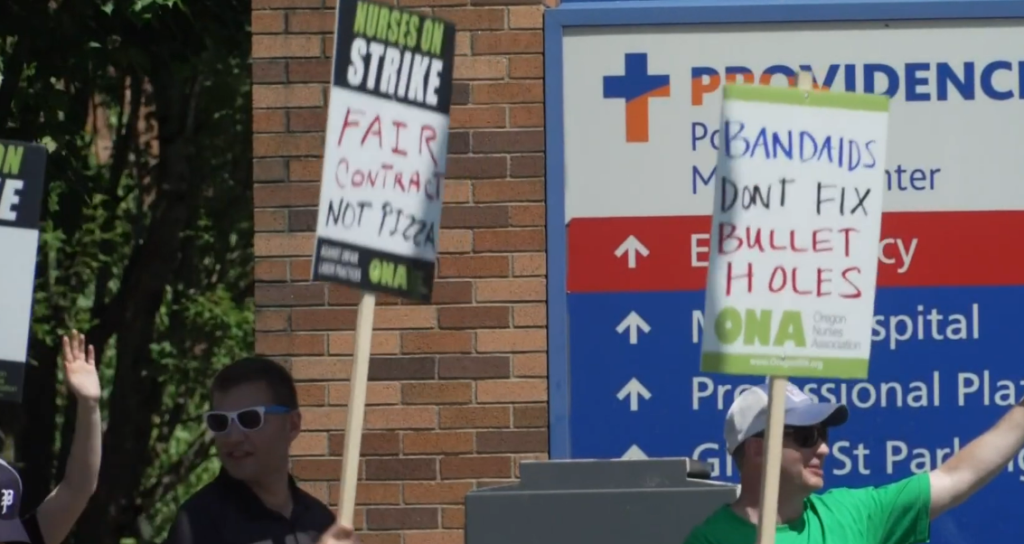
After workers provided the necessary 10-day notice, the strike actually started on April 8. AFSCME members had been working without a contract for nine months, starting on June 30, 2025. This information is often overlooked during the more dramatic stages of a labor dispute, but it is crucial when attempting to comprehend why 300 employees initially quit their jobs. According to the university, its final offer includes several pay raises and hourly rates that are comparable to those of comparable jobs in the neighborhood. That description is rejected by the union. The parties seem to be at a true impasse, and both statements can be made honestly by those who have access to the same data.
On the surface, the lawsuit’s legal theory is simple, but it becomes more complex when considering how strikes actually operate. The pressure that a strike is intended to create is greatly lessened when an employer can hire temporary contractors to handle the operational impact of a walkout, such as maintaining grounds, cleaning dorms, and operating dining halls. The complaint makes precisely this claim, claiming that the Strikebreakers Act exists specifically to maintain a balance of power in labor disputes and that governmental employers have more power in strikes if they can readily replace striking employees with temporary labor. To put it another way, the union is not merely claiming that a law was violated. It contends that breaking the law was a calculated tactic to prolong the strike without engaging in negotiations.
Chris Coplan, an ISU spokesperson, stated on Wednesday afternoon that the university has not received official court notification of the lawsuit and that it adheres to a state procurement procedure intended to guarantee legal compliance. The careful wording of that statement implies that the university thinks it has a legal defense, but it doesn’t say what that defense is. This is the second lawsuit related to the strike. Last week, ISU’s faculty union filed a separate unfair labor practice complaint, claiming that faculty members were asked to take on the responsibilities of the striking AFSCME employees, which is a different but related pressure point in a growing dispute.
Watching this play out gives me the impression that both sides have become more involved than they were three weeks ago, making a speedy resolution more difficult to envision. The university seems to think it can handle the strike’s operational effects indefinitely. The union seems to think the law provides it with a means of contesting that. A major escalation would be a Class A misdemeanor charge against the president of a public university. Judge Rebecca Foley’s interpretation of the Strikebreakers Act and whether either party determines that a negotiated settlement is preferable to witnessing the opposite result in court will determine whether that is where this ends up.
Disclaimer
Nothing published on Creative Learning Guild — including news articles, legal news, lawsuit summaries, settlement guides, legal analysis, financial commentary, expert opinion, educational content, or any other material — constitutes legal advice, financial advice, investment advice, or professional counsel of any kind. All content on this website is provided strictly for informational, educational, and news reporting purposes only. Consult your legal or financial advisor before taking any step.
