

Primal Queen advertised vitality, hormonal balance, and energy from “ancestral nutrition,” however the actual buying process proved problematic for a lot of customers. A class-action complaint was filed in California at the end of October 2025, alleging that the supplement brand violated transparency rules and undermined consumer trust by using misleading subscription methods. According to the complaint, Primal Queen made it extremely difficult for clients to cancel after enrolling them in automatic billing cycles without providing enough disclosure.
This strategy is known as “dark pattern design,” which may sound technical, but its effects are very personal. This type of friction arises during a hurried checkout or a postponed cancellation. All of a sudden, a $49.99 one-time purchase turns into a monthly withdrawal. In addition to accusing Primal Queen of unethical behavior, the lawsuit describes a mechanism designed to deter clients from leaving when they feel outwitted by their own clicks.
The claims are supported by BBB complaints and customer reviews. Some subscribers claim that despite their attempts to cancel, they were still charged. Others report unsuccessful attempts to get in touch, such as unanswered emails, voicemails, and ineffective online cancellation links. These annoyances aren’t unique; rather, they create a pattern that has been shared on other platforms and documented over several months.
One woman claimed that she was billed three times without her knowledge after attempting a reduced trial. Another described the psychological toll of fighting accusations while taking care of her spouse, who has a disability. Refunds were sometimes given, but frequently only in response to repeated grievances. The money wasn’t the only problem in many of these instances. It was the feeling that you were stuck in an unfair deal.
| Category | Information |
|---|---|
| Company Name | Primal Queen, LLC |
| Industry | Health and Nutrition Supplements |
| Headquarters | California, United States |
| Lawsuit Title | Blank v. Primal Queen, LLC |
| Filed Date | October 23, 2025 |
| Court | U.S. District Court for the Central District of California |
| Plaintiffs | Allison Blank and other consumers |
| Legal Representation | Hedin LLP and Gucovschi Law Firm |
| Key Allegations | Illegal auto-renewal, deceptive “dark pattern” practices, and lack of consent |
| Reference Link | https://www.law.com/radar/card/pm-60754990-blank-v-primal-queen-llc |
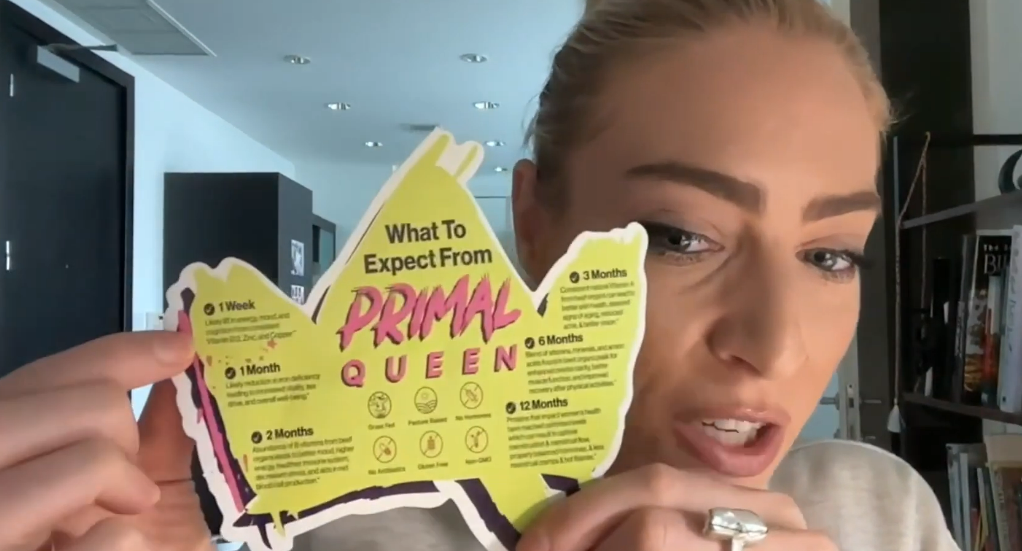
The main allegation in the lawsuit is that Primal Queen failed to give a “clear and conspicuous explanation” of its subscription conditions at the time of purchase, in violation of California’s Automatic Renewal Law. Legally speaking, that is not a gray area. The purpose of the regulation was to shield customers from situations like these, in which confusing user interfaces conceal ongoing fees.
For those who are not aware with the company, Primal Queen is one of many boutique wellness brands that sell superfoods made from meat, particularly supplements made from cattle organs. Their promise is frequently presented as a sort of biohacking-era resurrection of traditional nutrition, combining modern empowerment with primordial purity. In this instance, that story has clashed with issues that are distinctly contemporary: digital opacity, billing complaints, and now federal litigation.
The brand is accused of sending unwanted messages in violation of telemarketing law in another case filed earlier in 2025 under the Telephone Consumer Protection Act. Although unrelated to the subscription issue, it contributes to a broader narrative in which a company’s growth strategy appears to be mostly dependent on aggressive digital marketing and opt-out obstacles.
Primal Queen has responded in a protective manner. The business cites tracking information, return policies, and confirmation screens to support its claim that customers have accepted the conditions. Even while they are legally sound, those justifications aren’t usually emotionally fulfilling. Words like “customer agreed to terms” are frequently used in complaint responses, but they are rarely accompanied with indications of introspection or accountability.
This moment is especially noteworthy because Primal Queen is not a nameless corporation. Clean food, personal vigor, and—ironically—trust are the foundations of this brand. The breach feels more personal as a result. In addition to their curiosity, many purchasers approached the goods with hope. The emotional consequences can be particularly severe when it escalates into conflict.
“Imagine losing a long-term customer over a $10 shipping label” was one of the lines I paused on when going over customer complaints that felt inadvertently significant. Beneath that annoyance is a valuable lesson. If you don’t make your systems feel small, the cost of retaining a customer is frequently quite inexpensive.
Customers’ conversations about Primal Queen have already begun to change as a result of the lawsuit. What used to be considered a niche favorite is now cautiously described. Comments on Instagram advertising are now cautious rather than enthusiastic. After getting a refund, some clients say they still refuse to come back. It’s about how the firm made them feel, not about the flavor or claims of the product.
Health and wellness firms have found the subscription model especially appealing in recent years. It increases customer lifetime value, lowers attrition, and generates steady revenue. However, it can also boomerang rapidly in the absence of transparent conditions and unambiguous opt-out pathways. Businesses like Primal Queen are discovering that regular income isn’t worth the expense if it leads to recurrent rage.
A reset is still possible. Primal Queen might restore part of the lost revenue by honestly addressing complaints, simplifying cancellation procedures, and updating its sales process with clarity in mind. Although it must be earned, consumer forgiveness is not unattainable. After all, when applied consistently, transparency is exceptionally successful at rebuilding credibility.
More brands will probably come under the same kind of scrutiny in the years to come. Empowerment rhetoric is no longer sufficient. Accountability will become a competitive advantage rather than merely a compliance concern as consumers grow more aware of where they spend their money.
Disclaimer
Nothing published on Creative Learning Guild — including news articles, legal news, lawsuit summaries, settlement guides, legal analysis, financial commentary, expert opinion, educational content, or any other material — constitutes legal advice, financial advice, investment advice, or professional counsel of any kind. All content on this website is provided strictly for informational, educational, and news reporting purposes only. Consult your legal or financial advisor before taking any step.
