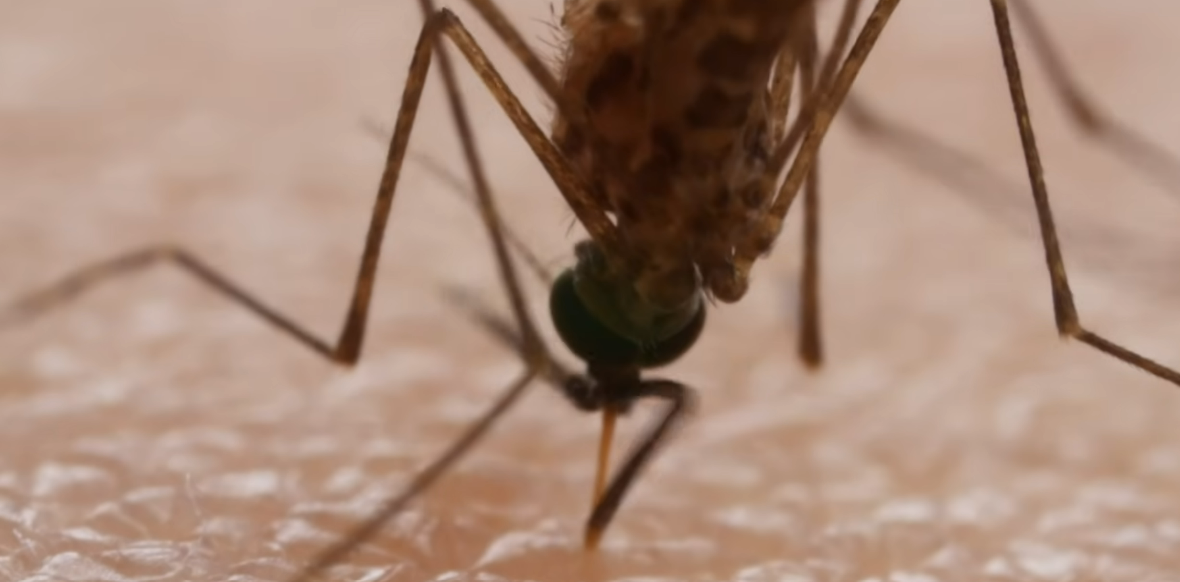
When you are informed that something dangerous is getting closer to you, a certain kind of uneasiness sets in. It doesn’t rush or make an announcement, but rather advances season by season and year by year. In general, mosquitoes and the diseases they transmit are like that. Arriving in places with no true cultural memory of it used to seem like someone else’s problem, the kind of thing you read about in dispatches from Southeast Asia or sub-Saharan Africa.
Every year, mosquito-borne illnesses kill over a million people and infect about 700 million, or nearly one in ten people on the planet. The direction of travel is what gives it a new sense of urgency, but that number alone is astounding. Rising temperatures are causing mosquitoes to breed for longer periods of time, expanding their range into higher latitudes and altitudes and into areas where people have never had to worry about dengue, chikungunya, or Japanese encephalitis. Not too long ago, Southern Australia experienced its first significant outbreak of Japanese encephalitis. In recent years, dengue, Zika, and chikungunya cases have increased by 700% in Europe. In a single season, mosquito populations in Germany increased to ten times their typical levels due to severe flooding.
It’s important to consider the practical implications of “climate change expands mosquito habitat” because it involves more than just warmer summers. Households begin storing water in containers when a drought strikes, which makes them ideal breeding grounds. Mosquitoes proliferate quickly in the standing water left behind when floodwater collects in yards, streets, and low-lying areas. Dense neighborhoods without dependable waste collection or clean water supplies become incubators when urban populations expand more quickly than city planners can keep up. São Paulo, a city in Brazil, discovered this the hard way. Brazil had the biggest dengue outbreak on record in 2022, with 2.3 million cases and almost 1,000 deaths. The numbers were nearly too big to comprehend.
| Topic | The Mosquito Expansion: Climate Change and Tropical Disease Spread |
|---|---|
| Primary Vectors | Aedes aegypti, Aedes albopictus (Asian tiger mosquito) |
| Key Diseases | Dengue, Zika, Chikungunya, Malaria, Yellow Fever, Japanese Encephalitis |
| Annual Infections | Up to 700 million people; over 1 million deaths per year |
| Dengue Alone | Estimated 390 million infections annually; 2.3 million cases in Brazil in 2022 alone |
| Projected Risk by 2070 | Population at risk increases by 4.7 billion relative to 1970–99 baseline |
| Europe Trend | Malaria cases up 62%; dengue, Zika, and chikungunya cases up 700% |
| Key Drivers | Rising temperatures, flooding, drought, urban growth, insecticide resistance |
| Emerging Solutions | Wolbachia bacteria method, AI outbreak prediction, genomic surveillance |
| Key Organizations | World Mosquito Program, WHO, CDC, Harvard T.H. Chan School of Public Health |
| Reference Links | World Mosquito Program – Climate & Mosquito-Borne Diseases · CDC – Vector-Borne Diseases and Climate |
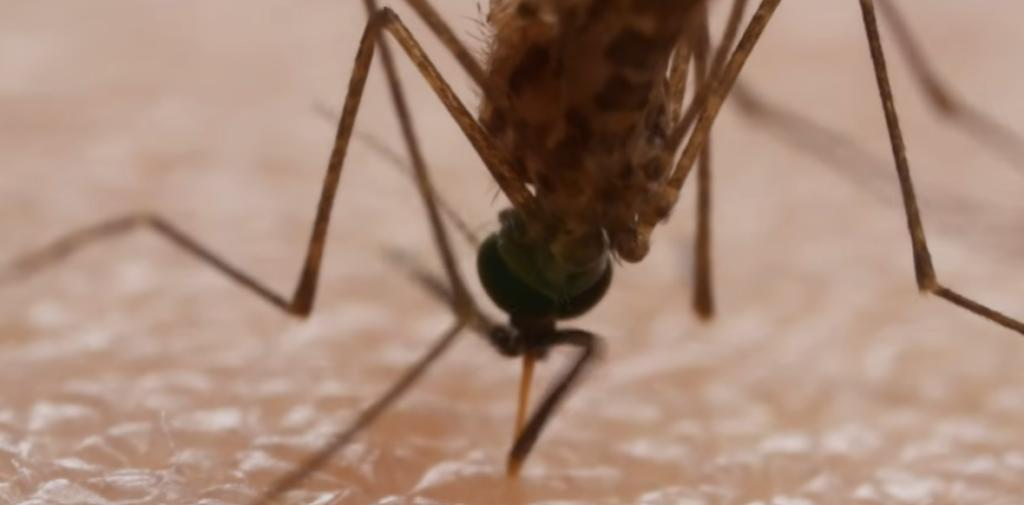
Aedes albopictus, also known as the Asian tiger mosquito, and Aedes aegypti are the two mosquito species that transmit dengue almost exclusively. Both are resilient, adaptable, and becoming more and more common. Researchers are concerned not only that these mosquitoes are expanding into new areas, but also that the virus is changing to keep up. Aedes albopictus was able to spread the disease more easily due to a recent mutation in the chikungunya virus. Large portions of Asia, Europe, and North America are now home to that species. In a way, the virus managed to travel farther.
More than eight billion people may be at risk for dengue and malaria by 2080, according to a study from the London School of Hygiene and Tropical Medicine. The transmission seasons for dengue and malaria are expected to extend by four months and more than a month, respectively. These figures may seem abstract until you translate them geographically and realize that, in a few decades, areas in North America and Europe that now consider mosquito season to be a minor summer annoyance may face year-round danger. These estimates could prove to be overestimates. However, that seems like a shaky hope to rely on, considering how consistently past models have underestimated the rate of change.
On the response side, some truly encouraging work is underway. Wolbachia, a naturally occurring bacterium present in about half of all insect species, has been used in a method developed by the World Mosquito Program. Wolbachia stops Aedes aegypti mosquitoes from efficiently spreading diseases. Without continuous intervention, the Wolbachia-carrying mosquitoes are released into impacted communities, where they breed with wild populations and progressively spread the bacteria. In Yogyakarta, Indonesia, a three-year randomized controlled trial revealed an 86% decrease in hospitalizations and a 77% decrease in dengue incidence. Those are impressive numbers. Nearly 11 million people are currently served by the technique, which is currently in use in 14 countries.
Additionally, artificial intelligence is making significant inroads. The Indonesian Ministry of Health in Jakarta has been utilizing artificial intelligence (AI) to forecast dengue outbreaks on a monthly basis by analyzing weather patterns. This has enabled health officials to alert communities and organize responses prior to an increase in cases. According to the data, mosquitoes bite people about three times more frequently at 30°C than at 20°C. This seemingly insignificant temperature difference has significant implications for public health in a warming world.
As all of this is happening, there’s a growing feeling that the institutional response is still based on a world that doesn’t exist anymore, one in which wealthy suburban neighborhoods can legitimately believe they’re safe from vector-borne illness and where tropical diseases remain tropical. That presumption is being undermined. The suburbs of Europe, North America, and Australia are not immune to the fact that the geography of risk is actually changing. It may matter a great deal whether governments, urban planners, and public health systems begin to view mosquito expansion as the immediate threat it seems to be rather than as a far-off tropical issue.
Disclaimer
Nothing published on Creative Learning Guild — including news articles, legal news, lawsuit summaries, settlement guides, legal analysis, financial commentary, expert opinion, educational content, or any other material — constitutes legal advice, financial advice, investment advice, or professional counsel of any kind. All content on this website is provided strictly for informational, educational, and news reporting purposes only. Consult your legal or financial advisor before taking any step.