

The Charles River flows silently past the MIT campus on a chilly winter’s morning in Cambridge, the water beneath the bridges slow and dark. The temperature of the oceans thousands of miles away from Massachusetts is being studied by scientists seated in front of glowing monitors inside the glassy research buildings in the area. The data coming in from drifting ocean sensors and satellites tells an oddly unsettling tale. Recent studies have shown that the world’s oceans are hotter now than they have ever been.
The rise is substantial. The oceans took in about 23 zettajoules more heat between 2024 and 2025 alone. That number is so big that it nearly defies comprehension. According to reports, someone at a climate seminar likened it to more than 200 times the annual amount of electricity used by humans. Researchers believe that the planet’s largest body of water is subtly storing energy on a scale that people hardly ever consider as they watch the graphs rise.
These days, it’s difficult to ignore the tone that scientists use when talking about the data. Naturally, they exercise caution—scientists nearly always do—but the word “alarming” has started to appear more frequently in discussions. Oceanographers and atmospheric scientists frequently congregate around equation-filled whiteboards in MIT’s climate labs, where there is a growing sense that the ocean’s contribution to climate change may be even more significant than previously thought.
| Category | Information |
|---|---|
| Institution | Massachusetts Institute of Technology (MIT) |
| Location | Cambridge, Massachusetts, United States |
| Research Field | Earth, Atmospheric and Planetary Sciences |
| Key Focus | Climate systems, ocean heat content, atmospheric dynamics |
| Recent Concern | Record-breaking ocean heat levels measured in 2025 |
| Scientific Metric | Ocean Heat Content (upper 2,000 meters) |
| Estimated Increase | About 23 zettajoules from 2024 to 2025 |
| Global Significance | Oceans absorb roughly 90% of excess heat from greenhouse gases |
| Reference | https://news.mit.edu |
| Research Context | https://www.scientificamerican.com/article/ocean-temperatures-just-hit-a-dire-new-record |
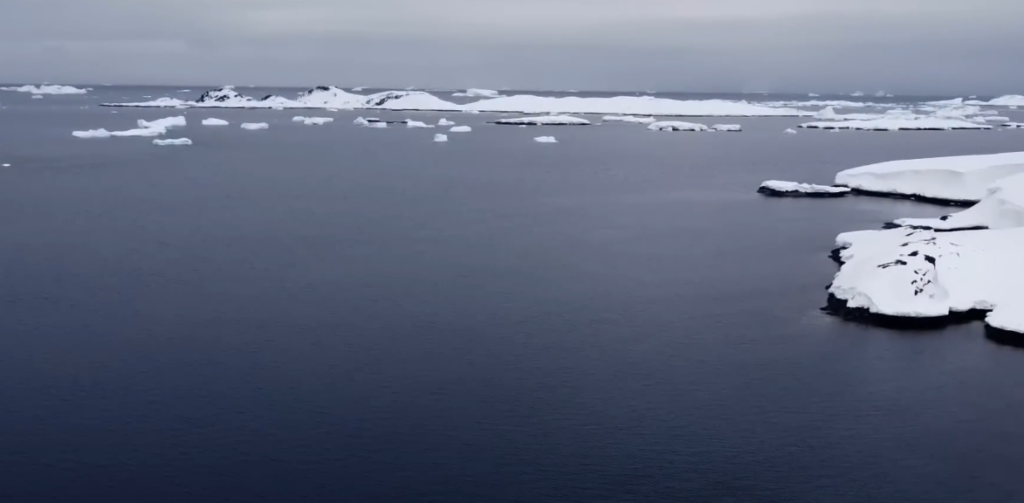
After all, the ocean functions as a huge heat sponge. Instead of entering the atmosphere, seawater absorbs about 90% of the excess heat that greenhouse gases trap. That buffering effect slowed the rate of atmospheric warming for decades. However, it is possible that the ocean’s capacity to absorb energy in a quiet manner is starting to show its limitations. Like a patient, slow ledger, the water continues to warm year after year, documenting the planet’s increasing temperature.
The pattern’s remarkable consistency is what stands out. Since 2019, new ocean heat records have been set almost every year. Instead of spiking sharply, the charts merely rise, almost defiantly. Maybe that gradual ascent is more eerie than a quick leap. It implies a system that is continuously storing heat in layers thousands of meters below the surface.
The odd twist is that surface temperatures don’t provide all the information. Sea surface temperatures slightly decreased in 2025 compared to the year before, in part due to La Niña, a shift in Pacific Ocean conditions. That may have initially appeared to be a brief halt to the warming trend. However, more precise measurements showed that the ocean was still absorbing massive amounts of energy below the surface.
A silent fleet of instruments dispersed throughout the seas is used by scientists researching these changes. Argo floats are cylindrical instruments that measure salinity and temperature by slowly rising and sinking through the water. From above, satellites map the orange and red hues of surface warmth. Even marine animals equipped with sensors can occasionally provide data. Seals and satellites collaborating to take the planet’s temperature is an odd sight.
The warming being revealed by these instruments is not uniformly distributed. It seems that some areas are warming more quickly than others. Particularly dramatic changes are occurring in areas of the South Atlantic, the North Pacific, and the cold Southern Ocean close to Antarctica. Scientists are keeping a close eye on those areas because they believe the warming may have an impact on everything from marine ecosystems to the power of global weather systems.
It’s getting harder to ignore the link between extreme weather and ocean heat. Hurricanes and typhoons that draw energy from the sea’s surface are fueled by warmer water. Additionally, as it warms, it expands, progressively raising sea levels. Cities along the coast, such as Shanghai, Jakarta, and Miami, are already adapting to tides that move farther inland than they did in the past.
An ecological component is also present, which is equally concerning but feels more difficult to measure. The frequency of marine heatwaves has increased, causing coral reefs to bleach and fish populations to migrate to cooler waters. In some parts of the Pacific, fishermen have observed species reappearing in previously uncommon locations. As you observe those changes, you get the impression that the ocean is gradually changing how it lives.
The deeper question is still open to scientists at MIT and elsewhere. Heat can be stored in oceans for decades or even centuries. A portion of that energy eventually returns to the atmosphere, affecting the weather and temperatures in the future. It’s still unclear exactly when and how drastically that might occur.
The ocean looks calm enough as you stand on the shores of Massachusetts on a gray afternoon, the waves rolling softly toward the rocks. No clear warning indicators. No boiling that can be seen. However, energy is building up far below that surface in ways that scientists are only now starting to comprehend.
Disclaimer
Nothing published on Creative Learning Guild — including news articles, legal news, lawsuit summaries, settlement guides, legal analysis, financial commentary, expert opinion, educational content, or any other material — constitutes legal advice, financial advice, investment advice, or professional counsel of any kind. All content on this website is provided strictly for informational, educational, and news reporting purposes only. Consult your legal or financial advisor before taking any step.
