

Any well-stocked grocery store’s natural foods section will have rows of products vying for customers’ attention who have determined, with differing degrees of scientific backing, that refined sugar should be avoided. In that aisle, monk fruit sweeteners have a special place because they are marketed as a truly natural substitute made from a small green melon that is indigenous to southern China. They have the kind of clean-label credibility that allows a brand to charge significantly more per ounce than traditional sweetener. In general, the bags are appealing. The message is self-assured. On the front of the package, SweetLeaf Monk Fruit Organic Sweetener states that there is nothing artificial.
According to a recent class action lawsuit filed in a federal court in California, that message is untrue. It also includes lab results.
John Boyd, the plaintiff, sued Wisdom Natural Brands, the manufacturer of SweetLeaf, claiming that the product isn’t really a monk fruit sweetener. Boyd’s legal team commissioned independent laboratory testing, which revealed that the product contains only 0.87% monk fruit extract and 99.13% erythritol. Less than 1%. Technically, the product’s rear-panel ingredient list does list erythritol first; Wisdom Natural Brands seems to have complied with this labeling requirement. However, the bag’s front states “Monk Fruit.” Monk Fruit is the brand name. Monk Fruit, according to the marketing. Boyd’s argument, which is easy to understand, is that a customer standing in a store aisle is given the overall impression that they are purchasing a monk fruit product when, in reality, they are primarily purchasing erythritol.
A sugar alcohol called erythritol is created by fermenting glucose, which is usually made from corn starch. The FDA has classified it as generally recognized as safe, and it is widely used in the food industry as a low-calorie sweetener. It was widely used in keto and diabetic-friendly products for many years because it didn’t raise blood sugar levels. However, more recent studies have cast doubt on cardiovascular risk, with some indicating links between high erythritol intake and an increased risk of heart attack and stroke. According to Boyd’s lawsuit, consumers who specifically sought out monk fruit in order to avoid synthetic or chemically processed ingredients were not only misled about what they were getting, but they may also have been exposed to health risks that they were attempting to avoid.
SweetLeaf Monk Fruit Lawsuit: The ‘Organic’ Sweetener That Lab Tests Say Is Almost Entirely Something Else
| Category | Details |
|---|---|
| Company Name | Wisdom Natural Brands |
| Product at Issue | SweetLeaf Monk Fruit Organic Sweetener |
| Product Claims | “Monk Fruit” sweetener; “Nothing Artificial”; “Sweetened by Nature”; “Organic” |
| Lawsuit Filed By | Plaintiff John Boyd |
| Case Name | Boyd v. Wisdom Natural Brands |
| Case Number | 2:25-cv-12080 |
| Court | U.S. District Court, Central District of California |
| Lab Test Finding | Product is 99.13% erythritol; 0.87% monk fruit extract |
| Key Allegation | False advertising; erythritol used as bulk filler while product marketed as monk fruit sweetener |
| Health Concerns Cited | Erythritol linked to heart attack, stroke, and digestive issues |
| Legal Claims | Breach of express and implied warranties; negligent and intentional misrepresentation; fraud; unjust enrichment; California consumer protection law violations |
| Relief Sought | Jury trial; declaratory and injunctive relief; compensatory, statutory, and punitive damages |
| Plaintiff’s Attorneys | Lilach H. Klein, Michael T. Houchin, Zachary M. Crosner of Crosner Legal P.C. |
| Proposed Class | Nationwide class and California subclass of consumers who purchased the product |
| Industry Context | Multiple similar monk fruit lawsuits filed against competing brands since 2022 |
Observing this from the outside is almost inevitably frustrating. The market for monk fruit expanded because consumers were looking for a reliable, plant-based substitute for refined sugar and artificial sweeteners like aspartame, sucralose, and saccharin, which had been causing concern for decades. Since monk fruit extract is thought to be 100–250 times sweeter than table sugar, very little is needed to sweeten a product. It is easy to understand the economic reasoning behind using erythritol as a bulk filler and adding a tiny bit of monk fruit extract to increase sweetness while marketing the finished product under the monk fruit brand. It is less expensive. The cost of producing erythritol on a large scale is significantly lower than that of monk fruit extract. If the lawsuit’s claims are true, the practice enabled Wisdom Natural Brands to charge a premium for monk fruit while covering the cost of erythritol. Customers are being misled and overcharged, according to Boyd’s legal team.
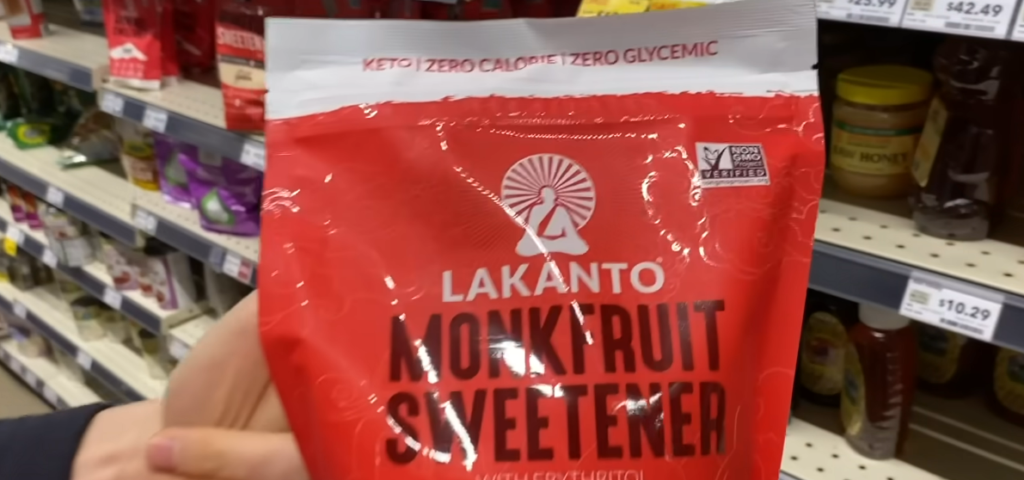
This is not a singular instance. For a number of years, litigation has been generated by the larger category of monk fruit sweeteners. Another well-known brand, Lakanto, was the target of a class action lawsuit in 2022 over similar allegations that its products were primarily sweetened with erythritol instead of the monk fruit that was highlighted in its branding. A proposed class action against Saraya USA, the American manufacturer of Lakanto products, was partially approved by the court. In 2023, a granola company was sued for misrepresenting a product’s formulation as a monk fruit sweetener. As early as last year, legal analysts at companies that monitor food and beverage litigation had observed that monk fruit sweetener claims were starting to appear as a pattern, with several lawsuits indicating possible trends throughout the product category. According to the cited lab results, the SweetLeaf case seems to be the most recent and one of the most thoroughly documented.
The organic designation is what sets the SweetLeaf lawsuit apart. Boyd is claiming that a product with the word “Organic” on its packaging, along with guarantees that it contains “nothing artificial,” is essentially made up of a chemically processed ingredient, rather than just claiming that the monk fruit content was overstated. For customers who carefully read labels, that combination of claims creates an especially powerful implied promise. By definition, the consumer who purchases a bag of SweetLeaf Monk Fruit Organic Sweetener is mindful of what they put into their body. They are actively choosing. According to the lawsuit, the information they were given to make that decision was materially misleading.
Crosner Legal P.C., a California-based firm that has been involved in food labeling litigation in a variety of product categories, is handling the case. Boyd is requesting a jury trial, damages, injunctive relief, and certification of a national class and a California subclass. The court’s decision to certify the class and Wisdom Natural Brands’ response to the particular lab results at the heart of the complaint are still up in the air. The business hasn’t yet addressed the accusations in a public statement. It is evident that the case comes at a time when food labeling lawsuits are gaining significant traction, courts have demonstrated a willingness to allow misrepresentation claims to move past the pleading stage, and consumers are paying enough attention to push back when they believe the label was misleading because they followed health trends closely enough to initially seek out monk fruit.
Disclaimer
Nothing published on Creative Learning Guild — including news articles, legal news, lawsuit summaries, settlement guides, legal analysis, financial commentary, expert opinion, educational content, or any other material — constitutes legal advice, financial advice, investment advice, or professional counsel of any kind. All content on this website is provided strictly for informational, educational, and news reporting purposes only. Consult your legal or financial advisor before taking any step.
