

Paying a bill, believing you know the total, and then seeing an unexpected charge appear on the final screen before you hit confirm can be particularly frustrating. It happens quickly. Most people probably just accept it and move on, especially those who use their phones to pay for utilities in between other tasks. Two women from Indiana chose not to.
Amy Burke and Angelia McGlade filed a class action lawsuit against PayGov.US LLC in Indianapolis’ Marion Superior Court on November 14, 2025, claiming that the payment processor had been routinely charging customers hidden convenience fees when they paid their utility bills. According to the lawsuit, which has since garnered national attention from consumer advocacy outlets, these fees are only revealed at the final confirmation screen, when the majority of customers have already made a mental commitment to the transaction, rather than at the start of the payment process.
The accusations are especially pointed because of the fee structure itself. The complaint claims that the convenience fees are variable rather than fixed, which means they increase in proportion to the amount paid. A household with a high utility bill—for example, a family using central air conditioning during an Indiana summer when electricity prices have been rising—would pay more than someone with a lower bill. The plaintiffs contend that by adding extra expenses to bills that have been steadily increasing, this design unfairly penalizes customers who are already bearing the greatest financial burden.
Reading the lawsuit’s allegations gives the impression that the public may not have been aware of the fee transparency issue for a considerable amount of time. The majority of people who use a government portal to pay their municipal utility bills don’t anticipate that a private company’s fee schedule will be included at the conclusion of the transaction. According to the lawsuit, PayGov’s branding may have been specifically created to foster that expectation. The complaint claims that PayGov’s website has language related to the government, images of the American flag, and a domain name designed to imply official government affiliation. The plaintiffs claim that the company created an interface that resembles a government service and then functioned as a private fee-collecting enterprise within it.
PayGov Class Action Lawsuit: Hidden Fees, Government-Like Branding, and the Indiana Case That Could Reshape Online Payment
| Category | Details |
|---|---|
| Company Name | PayGov.US LLC |
| Business Type | Private payment processing company |
| Primary Service | Processing utility bill payments for municipalities |
| Payment Methods Covered | Online portal, mobile app, in-person at municipal buildings |
| Headquarters | United States (operates across multiple states) |
| Case Name | Burke, et al. v. PayGov.US LLC |
| Case Number | 49D01-2511-CE-054307 |
| Court | Marion Superior Court, Indiana |
| Date Filed | November 14, 2025 |
| Lead Plaintiffs | Amy Burke and Angelia McGlade |
| Plaintiffs’ Attorneys | Tyler B. Ewigleben (Jennings & Early PLLC); Kevin Laukaitis and Daniel Tomascik (Laukaitis Law LLC) |
| Core Allegation | Undisclosed, variable-rate convenience fees charged at final payment step |
| Additional Allegation | Branding designed to resemble official government websites |
| Law Allegedly Violated | Indiana Deceptive Consumer Sales Act |
| Relief Sought | Damages, injunctive relief, attorney fees, jury trial |
| Potential Class | All individuals who have paid a convenience fee to PayGOV |
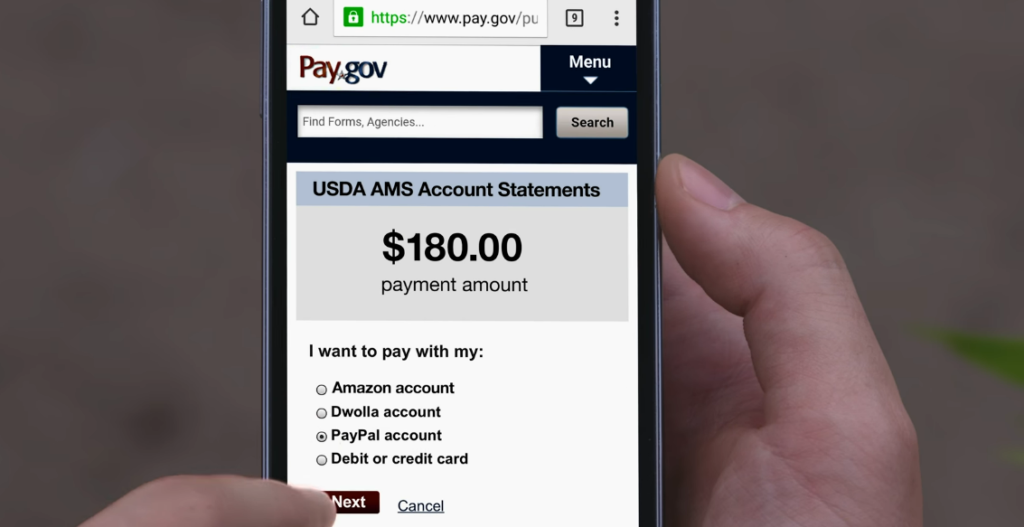
In the realm of third-party payment processors, this is not a completely new playbook. Businesses that operate between a municipality and its citizens occupy a peculiar position because, although they are contracted by local governments, which gives them a sense of official authority, they are still private companies that are responsible for their own financial interests. Similar players in the payment processing industry have previously been targeted by the FTC, such as First American Payment Systems, which settled claims of deceptive sales practices by paying $4.9 million. The general trend is consistent: businesses that process payments on behalf of reputable organizations typically profit from this borrowed credibility, sometimes in ways that go beyond the law.
The allegations made by Burke and McGlade go beyond the issue of whether a fee is appropriate. Their case revolves around disclosure, or the lack thereof. The lawsuit was filed under the Indiana Deceptive Consumer Sales Act, which was created expressly to shield customers from precisely this type of information asymmetry: when a company is aware of the entire cost of a transaction but a customer is not, and the company takes advantage of this information gap to demand money that the customer would not have agreed to pay had they been informed up front. It is not very hard to make the case that concealing a variable fee until the checkout screen is a deceptive practice. Depending on how Indiana courts interpret the particular alleged behavior, it may or may not hold up legally.
The lawsuit’s timing is also important. Utility costs are just one of the many expenses that American households are currently paying more for. Like people across much of the nation, residents of Indiana have seen a significant increase in electricity bills in recent years. A surprise fee at the end of a bill payment is more than just a small annoyance for families already stretching their budgets; it’s another financial burden with little margin. Accordingly, Burke and McGlade’s legal team has framed the complaint, claiming that PayGov did not compete on the basis of a disclosed service but rather took advantage of a brief period of financial vulnerability.
All people who have paid a convenience fee to PayGov are part of the class that the plaintiffs are attempting to represent. The potential size of that class is substantial because the company handles payments on behalf of municipalities nationwide, not just in Indiana. It’s still unclear how many transactions in total may be at stake or how the company’s fee policies may have changed between municipal contracts. As the case moves through discovery, those specifics will probably become more apparent. It’s already evident that the lawsuit has struck a chord; the legal news coverage of the case quickly filled the comment section with people writing simply “add me,” acknowledging their own experience in the description of a charge they hadn’t anticipated.
A helpful context is provided by the larger wave of junk fee litigation currently occurring in American courts. Due to a growing legal and regulatory consensus that undisclosed fees are not just annoying but potentially actionable, hotels, sports teams, parking apps, ticketing platforms, and now municipal payment processors have all been the target of similar lawsuits in recent years. For many years, the CFPB has been involved in this field, keeping a list of ongoing enforcement actions against financial firms and payment processors that have defrauded customers. The same accountability pressure is now being applied to PayGov, a private company that handles payments for local governments. This pressure came from two Indiana residents who decided enough was enough after viewing their final payment screen, rather than from a federal regulator.
Disclaimer
Nothing published on Creative Learning Guild — including news articles, legal news, lawsuit summaries, settlement guides, legal analysis, financial commentary, expert opinion, educational content, or any other material — constitutes legal advice, financial advice, investment advice, or professional counsel of any kind. All content on this website is provided strictly for informational, educational, and news reporting purposes only. Consult your legal or financial advisor before taking any step.
