

Classrooms are subtly altering their form, function, and even identity across countries. In order to prepare not only laborers but also intellectuals who can navigate a future characterized by technology, uncertainty, and interconnectedness, nations are revamping their educational institutions. Although the desire seems overwhelming, it is unquestionably important. Built for industrial economies, traditional models are crumbling under the weight of inequality, digital life, and disruption from the climate.
Today, education reform seems more like evolution than policy. To meet the challenges of the future, nations are rethinking every aspect of education, from how teachers instruct to how students learn. Inclusion, sustainability, innovation, and digital empowerment are now at the center of transition, as UNESCO’s 2024 study emphasizes. These are now strategic imperatives rather than idealistic objectives.
The case of Bosnia and Herzegovina is especially instructive. The country’s educational system used to operate in silos due to decades of political turmoil. However, the first united roadmap in two decades was recently signed by all sixteen education ministers under the direction of the UN. By using digital tools to eliminate long-standing gaps, this shared plan seeks to provide high-quality, egalitarian education in all regions. It is strikingly powerful evidence that when vision triumphs over politics, cooperation can take the place of fragmentation.
Bhutan is also changing its system, but not for show. The nation, which is renowned for prioritizing happiness before GDP, is extending this idea to education. Internet connection is now available in every school, and initiatives like UNICEF’s “UPSHIFT” teach children how to use empathy and creativity to solve problems. One student group created digital tools to help avoid wildlife confrontations in rural areas, which is a distinctively Bhutanese answer that skillfully combines technology and tradition. The method is especially creative since it demonstrates how education can link regional concerns to global perspectives while preserving cultural heritage.
| Topic | Why Some Nations Are Rewriting Their Entire Education Systems |
|---|---|
| Focus | Exploring the reasons behind large-scale education reforms driven by equity, technology, and sustainability |
| Key Institutions | United Nations, UNESCO, UNICEF, National Education Ministries |
| Main Reference | UNESCO – “Transforming Education Towards SDG 4: Report of a Global Survey on Country Actions to Transform Education” |
| Countries Highlighted | Bosnia and Herzegovina, Bhutan, Rwanda, Trinidad & Tobago, Arab States |
| Key Drivers | Digital transformation, equity, inclusivity, teacher training, and lifelong learning |
| Global Framework | UN Sustainable Development Goal 4 (Quality Education for All) |
| Reference Link | https://www.unesco.org/articles/7-ways-countries-are-transforming-education |
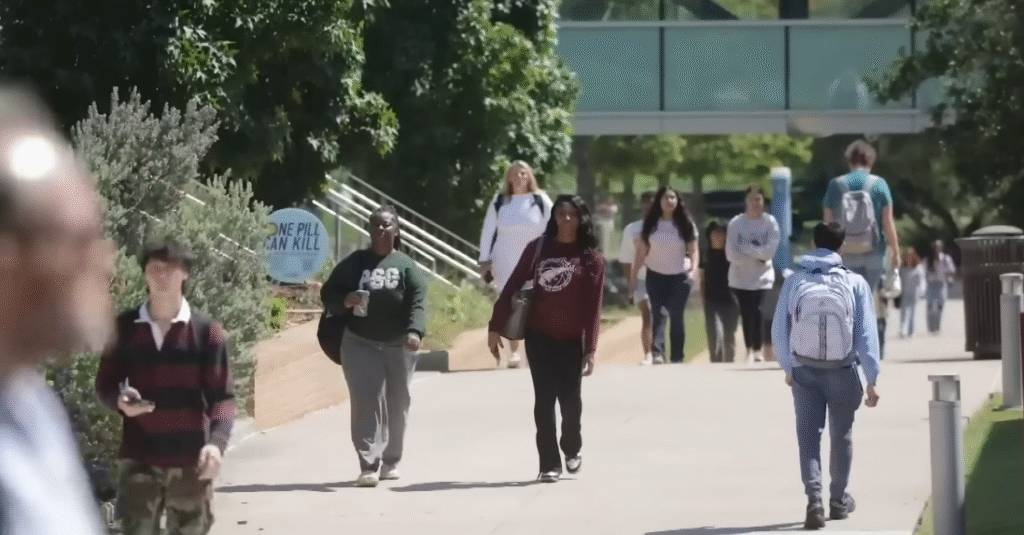
In Rwanda, the foundation of economic aspirations is now education. The government makes significant investments in teacher preparation, internet access, and digital literacy because it views schools as launching pads for national development. Every school will have an internet connection, and teachers will have the tools they need to teach using a competency-based curriculum. This strategy is very effective since it develops critical thinking skills in students instead of memorization. Rwanda views education as infrastructure rather than an institution by connecting its changes to its Vision 2050 plan.
In contrast, diversity and inclusion are the driving forces behind the reforms in Trinidad and Tobago. The twin-island nation is embracing technology while making sure that underprivileged populations, like as children with impairments and refugees, are not left behind. With UN assistance, teachers are receiving blended learning training and schools are receiving digital tools. Policies are being changed to make education more accessible, flexible, and significantly more sustainable by using classrooms that run on renewable energy. Despite the difficulties, this Caribbean country shows that innovation and inclusivity can coexist.
Philosophical reform is occurring throughout the Arab States. Through its regional program, UNESCO advocates for “Transformative Education,” a paradigm that emphasizes sustainability, fairness, and empathy. New teacher-training programs that incorporate digital literacy, environmental consciousness, and critical thinking are being introduced by universities in Lebanon, Oman, and Tunisia. These modifications are cultural recalibrations rather than merely curriculum revisions. These countries are creating the next generation of global citizens by reorienting education around universal human principles.
The underlying motivation for all of this rewriting is the realization that the systems of the past are insufficient to equip pupils for a future that is digital, automated, and environmentally vulnerable. When algorithms are able to outcalculate and outperform human recollection, standardized tests and rote learning seem more and more outdated. Therefore, education must foster the qualities that machines cannot: creativity, empathy, and adaptability. The move toward holistic learning approaches that combine academic achievement with social-emotional development is not coincidental; rather, it is survival by redesign.
However, there is a contradiction associated with digital change. It promises accessibility, but if not used carefully, it can exacerbate inequality. UNESCO cautions that connectivity in the absence of inclusion just serves to substitute one type of exclusion for another. To ensure that rural students, girls, and children with disabilities have equitable access to digital technology, countries such as Bhutan and Rwanda are combining technological advancement with focused equity initiatives. It serves as a reminder that technology must be used with human intent and is merely a tool, not a teacher.
At the center of this revitalization are educators. Governments around the world, from France to Kyrgyzstan, are realizing that no reform can be successful without funding those who direct education. Programs for digital proficiency, increased compensation, and professional development are becoming more and more important worldwide. The once-underappreciated profession of teaching is now being reframed as a leadership role, which is especially advantageous for long-term change. Many countries are finally recognizing teachers as change agents rather than stewards of tradition, as empowered educators build empowered society.
National identity is very closely linked to the restructuring of educational systems. Rwanda’s emphasis on fundamental education reflects its desire for stability. Bhutan’s Buddhist principles are reflected in the way ethics and sustainability are integrated. Trinidad’s heterogeneous fabric is reflected in its emphasis on inclusivity. Every nation’s reform narrative demonstrates how education can both reflect and shape its national identity.
These initiatives have gained international traction thanks to well-known champions. While foundations headed by celebrities like Rihanna and Bill Gates provide funding for teacher training and digital learning in underprivileged areas, Malala Yousafzai continues to advocate for gender equality in school. Their participation serves to further the common understanding that education reform is an investment in the long-term resilience of mankind, not a charitable endeavor.
What’s remarkable is that these initiatives are overlapping rather than clashing. Whether motivated by sustainability, equity, or technology, countries are creating educational institutions that can withstand volatility. This idea is encapsulated in the UN Sustainable Development Goal 4, which states that universal access to high-quality education is essential to a more equitable future. Other objectives, such as gender parity and climate action, are still inaccessible without it.
Disclaimer
Nothing published on Creative Learning Guild — including news articles, legal news, lawsuit summaries, settlement guides, legal analysis, financial commentary, expert opinion, educational content, or any other material — constitutes legal advice, financial advice, investment advice, or professional counsel of any kind. All content on this website is provided strictly for informational, educational, and news reporting purposes only. Consult your legal or financial advisor before taking any step.
