

In the typical household, a certain number doesn’t receive nearly enough attention, and as of late March 2026, it deserves much more. The yield on the 10-year U.S. Treasury note has increased to about 4.44%, reaching its highest level since July of last year earlier this week at 4.48%. For most people, that might seem like a minor technical change. It isn’t. It affects investor psychology, corporate borrowing costs, mortgage rates, and equity valuations in ways that are straightforward but challenging to decipher.
The direction of this specific move differs from what history would indicate, which makes it unique. Investors typically rush into U.S. Treasuries when the world begins to feel dangerous, such as when wars escalate, oil prices rise, or headlines turn gloomy. They purchase bonds. Costs increase. Yields decline. This is the conventional safe-haven strategy, and it has been so dependable over the years that the majority of market players almost take it for granted. However, yields have shifted in the opposite direction since the United States and Israel began attacking Iran on February 28. Before the war started, the 10-year was close to 3.96%. It has now increased by about 50 basis points. That’s a story, not a rounding error.
What analysts refer to as the “premium” contains some of the explanation. When the future feels truly uncertain rather than just uncomfortable, investors want the additional return that comes with holding long-term debt. Buyers want to be compensated for this uncertainty in the rate they receive when they worry about inflation continuing, government deficits growing, or whether the Federal Reserve’s next action will be a cut or something else entirely. The lackluster demand at a number of recent U.S. bond auctions raises concerns about whether foreign investors, especially those in Asia who are already dealing with the energy shock from the Hormuz blockade, are less willing to put money into American debt than they once were. Since February, well-known macro analyst Luke Gromen has been highlighting the parallel movement of oil prices and Treasury yields, arguing that this relationship indicates a deeper level of inflationary pressure developing in the system.
| Category | Details |
|---|---|
| Instrument Name | U.S. 10-Year Treasury Note |
| Common Name | 10-Year Treasury / US10Y / TNX |
| Issuer | U.S. Department of the Treasury |
| Type | Government Debt Security |
| Current Yield (Mar 30, 2026) | ~4.40–4.44% |
| Pre-Iran War Yield (Feb 2026) | ~3.96% |
| Recent High (Mar 2026) | 4.48% (8-month high, highest since July 2025) |
| 52-Week Range | 3.864% – 4.632% |
| Coupon Rate | 4.125% |
| Maturity Date | February 15, 2036 |
| Price (Mar 30, 2026) | ~97 9/32 |
| Key Driver (Current) | Iran war, oil price surge, inflation expectations, weak bond auction demand |
| Impact on Mortgages | 30-year fixed rate climbed from ~5.98% to ~6.52% in under a month |
| Bond Market Volatility | MOVE Index up ~18% in 24 hours |
| Reference Links | CNBC U.S. 10-Year Treasury Live | FRED 10-Year Treasury Yield Data |
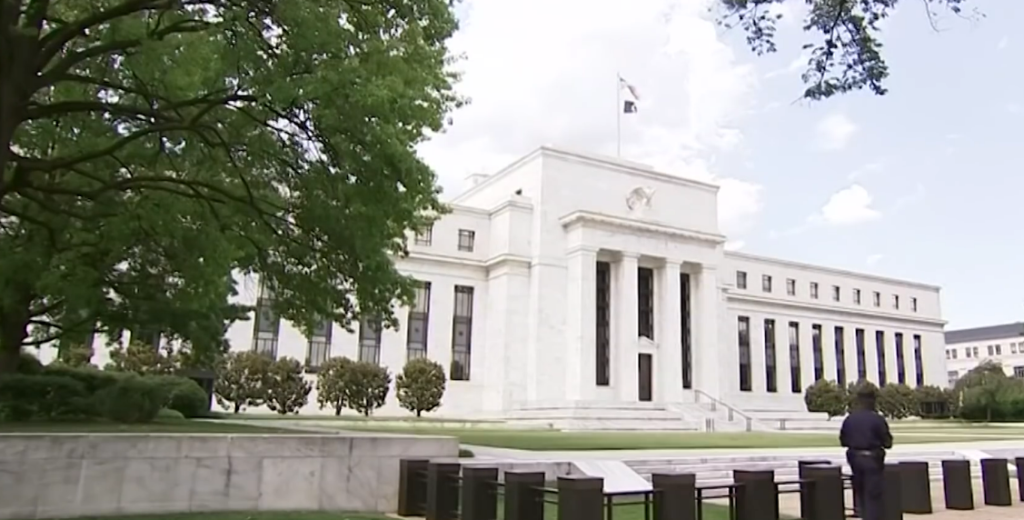
It is difficult to ignore the inflation angle. Since the start of the war, Brent crude has increased by more than 60%. The price of gasoline in the United States increased from about $2.79 per gallon in late February to almost $3.79 in late March. According to Bloomberg Economics, the U.S. CPI estimate for March was 3.4% year over year, a significant increase from 2.4% in February. When energy prices rise so quickly, they affect nearly everything, including petrochemicals, plastics, transportation, and food logistics. At its most recent meeting, the Federal Reserve decided to keep interest rates unchanged, which may have seemed obvious at the time. Now that yields are increasing on their own and inflation expectations are rising before the central bank has taken any action at all, it appears to be much more complicated.
The real-world ramifications go far beyond trading desks. The average 30-year fixed mortgage rate increased from about 5.98% in late February to about 6.38% by late March, according to Freddie Mac data; some trackers put it closer to 6.52%. That move, which is directly related to the movement of Treasury yields, is more than 50 basis points in less than a month. That equates to about $125 more in monthly mortgage payments on a median-priced home at current rates. If yields push rates toward 7%, which several state markets are already getting close to, that amount increases to over $230 per month, or roughly $1,500 to $2,800 more annually for a buyer sitting at the table right now. The story of housing affordability, which was already tense before any of this began, seems to have gotten much more difficult.
Although less obvious to some, the impact on cryptocurrency has been equally noticeable. Earlier this week, as yields got closer to 4.5%, Bitcoin dropped below $67,000, resulting in over $50 million in long liquidations in just one hour. The case for holding volatile, yieldless digital assets wanes when government bonds yield 4.4%, at least for institutional allocators who must defend each basis point of return. As the month went on, Bitcoin ETF inflows, which had been steady through the beginning of March, started to show consecutive outflows, indicating that the macro rotation is actual and not merely hypothetical.
The amount that yields can move in the future is still unknown. This week, Jerome Powell will give a speech, and the jobs report on Friday could swiftly change the tone. A robust jobs report could increase yields by heightening concerns about inflation. Though any data-driven reprieve could be overwhelmed by the Iran situation, a weak number might offer some respite. What appears to be fairly certain is that the current combination of energy shock, debt supply, and declining demand for long-term US paper has subtly invalidated the long-held belief that wars drive down yields. The yield on the 10-year Treasury was always an indicator of something. As of right now, the market as a whole is still catching up to its narrative about risk.
Disclaimer
Nothing published on Creative Learning Guild — including news articles, legal news, lawsuit summaries, settlement guides, legal analysis, financial commentary, expert opinion, educational content, or any other material — constitutes legal advice, financial advice, investment advice, or professional counsel of any kind. All content on this website is provided strictly for informational, educational, and news reporting purposes only. Consult your legal or financial advisor before taking any step.
