

People in the US started noticing an odd, unknown deposit in their bank accounts one Saturday morning. It was labeled “Lopez Voice Assistant.” In any meaningful sense, there is no business with that name. No product, no subscription, and no service. Just a modest sum, perhaps eight, twenty, or forty dollars, sitting there in a ceremonial manner. It wasn’t a fraud. Apple was making the payment.
Fumiko Lopez, a Californian who owned several Apple devices and became suspicious when advertisements began to follow her with unsettling precision, filed a class action lawsuit in 2021, which is where the money originated. She had only mentioned restaurants. brands of clothing that had been discussed. not looked up. not written down. Just said, most likely in close proximity to a Siri-capable gadget in a pocket or on a counter.
| Category | Details |
|---|---|
| Case Name | Lopez v. Apple Inc. |
| Lead Plaintiff | Fumiko Lopez, California Resident |
| Defendant | Apple Inc. |
| Case Filed | 2021 |
| Settlement Amount | $95 Million |
| Class Period | September 17, 2014 – December 31, 2024 |
| Max Payout Per Device | $20 |
| Average Payout Reported | $8.02 per device |
| Max Devices Per Claim | 5 Siri-enabled devices |
| Claim Deadline | July 2, 2025 |
| Apple’s Position | Denies all allegations of wrongdoing |
| Eligible Devices | iPhone, iPad, Apple Watch, MacBook, iMac, HomePod, iPod touch, Apple TV |
| Settlement Website | lopezvsapplesirisettlement.com |
According to the lawsuit, Siri, Apple’s voice assistant, was inadvertently turning on and recording snippets of private conversations, which it then shared with outside advertisers. Everything was denied by Apple. It continues to do so.
Finalized on December 31, 2024, the settlement created a $95 million fund for present and former owners of Siri devices, including iPhones, iPads, Apple Watches, MacBooks, iMacs, HomePods, iPod touches, and Apple TVs, who encountered what the legal language refers to as a “unintended Siri activation” during a private or confidential conversation between September 2014 and the end of 2024. That’s a window of ten years. Ten years of supposed listening.
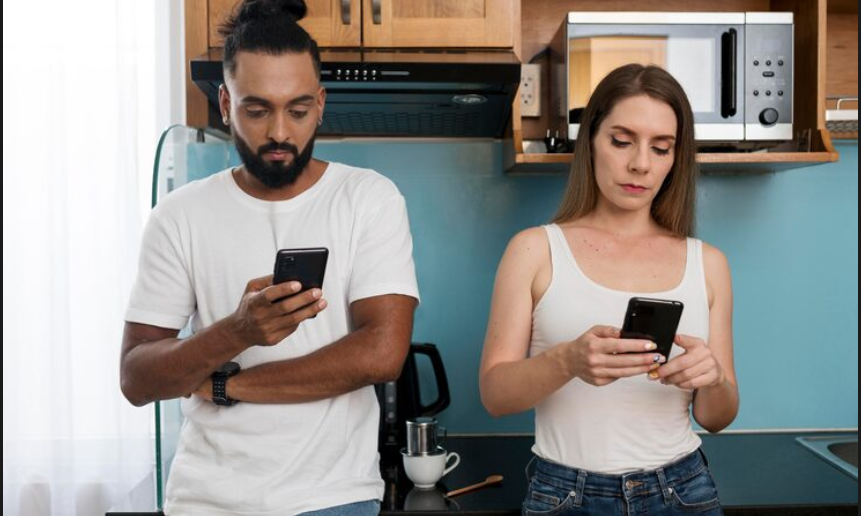
There is a certain irony in all of this that is difficult to ignore. Apple’s reputation was partly built on privacy. It is advertised on its billboards. Executives at the company reiterate it. In 2019, the company released a statement admitting it hadn’t been “fully living up” to its declared ideals after the Guardian revealed that human contractors were routinely listening to Siri recordings to assess accuracy. Compared to the majority of registrants at the time, that was a more subdued admission. It is now more difficult to ignore a $95 million settlement.
According to Florencia Marotta-Wurgler, a law professor at New York University, this case represents a larger change in how businesses and courts are starting to handle disputes involving personal data. These cases collapsed for a long time because it was so hard to prove actual harm. How much is an overheard conversation worth? Companies, including Apple, had good reason to think they would escape punishment as courts grappled with the issue.
However, it appears that calculus is evolving. Businesses are now exhibiting “greater apprehension,” according to Marotta-Wurgler, and are more inclined to reach a settlement rather than take a chance on the increasingly unpredictable landscape of privacy litigation.
According to social media reports and Apple-focused websites like 9to5Mac, eligible claimants who filed before the July 2025 deadline are getting about $8 per device. A single claimant could theoretically receive up to $100 because the maximum payout was $20 per device, up to five devices. In actuality, the average cost per device was roughly $8.02.
To be honest, not much. The amount of money you blindly spend on an expensive coffee at the airport. However, something about seeing it show up—labeled “Lopez Voice Assistant,” a reference to the plaintiff whose complaint initiated all of this—feels like more than a meager reimbursement.
The initial framing of the lawsuit was pointed. Apple was accused of “intentionally, willfully, and knowingly violating consumers’ privacy rights, including within the sanctity of consumers’ own homes.”The phrase “sanctity of the home” is intentional. A company knowing what you searched for is not the same as a company purportedly listening in on your conversations in your car, kitchen, or bedroom. One is transactional. The other seems more akin to trespassing.
Apple, on the other hand, reached a settlement without acknowledging any wrongdoing. The majority of big corporate settlements follow this pattern, so it’s not unusual. However, it is a statement in and of itself to settle a $95 million case while denying any wrongdoing.
It’s possible that the business determined that the settlement amount was less than the expense of ongoing litigation. It’s also possible that Apple’s internal data, which it has never fully disclosed, revealed a more nuanced narrative than its public denials would imply. We might never find out which.
It’s more obvious that the Lopez case has subtly grown to be one of the biggest privacy lawsuits filed against a big tech company in recent years. It survived long enough to settle, not because of the sum of money ($95 million is a Tuesday for Apple). The majority of consumer privacy lawsuits are buried under layers of dismissal, but this one managed to get through. Even if each claimant’s final payout hardly covers a tank of gas, that perseverance is significant.
For the time being, those modest deposits are coming in quietly and without much fanfare. Forty dollars here, eight dollars there. It’s still unclear if Siri’s functionality will undergo any significant changes. However, the settlement at least acknowledges that the question was worthwhile for Fumiko Lopez and the millions of students whose private conversations were purportedly overheard by a device they trusted.
Disclaimer
Nothing published on Creative Learning Guild — including news articles, legal news, lawsuit summaries, settlement guides, legal analysis, financial commentary, expert opinion, educational content, or any other material — constitutes legal advice, financial advice, investment advice, or professional counsel of any kind. All content on this website is provided strictly for informational, educational, and news reporting purposes only. Consult your legal or financial advisor before taking any step.
