

Recent satellite photos show the ice to be brittle, almost tentative. The language used by scientists who are researching these patterns has changed. Not so sure. Exercise more caution. 2026 might end up being one of those years that is later referred to as a turning point, even though not many people realized it at the time.
Historically, the Arctic has melted in the summer and frozen in the winter. That cycle characterized it. However, things have changed. Once appearing to be a permanent rhythm, temperatures in the region have risen three to four times faster than the global average. Observing temperature charts from the last ten years is similar to witnessing a continuous ascent with fewer breaks.
Not just ice is vanishing at the fastest rate. The ice is old.
The thick, dense sheets of multiyear ice, which endured for several summers, have decreased by over 95% since the 1980s. Younger, thinner, and much more vulnerable is what’s left today. It’s sometimes compared by scientists to putting cheap plywood in place of old hardwood floors. At a glance, it appears similar. It doesn’t act the same way.
| Item | Details |
|---|---|
| Region | Arctic Ocean, including the “Last Ice Area” near Greenland and Canada |
| Key Trend | Arctic warming 3–4 times faster than global average |
| Critical Change | Loss of over 95% of oldest multiyear sea ice since the 1980s |
| Warning Period | Scientists monitoring 2026–2030 as a possible irreversible shift |
| Ecological Impact | Polar bear habitat loss, unstable sea ice travel, changing ecosystems |
| Key Monitoring Organizations | National Snow and Ice Data Center, NOAA Arctic Program |
| Reference Links | National Snow and Ice Data Center Arctic Data – https://nsidc.org • NOAA Arctic Report Card – https://arctic.noaa.gov/report-card |
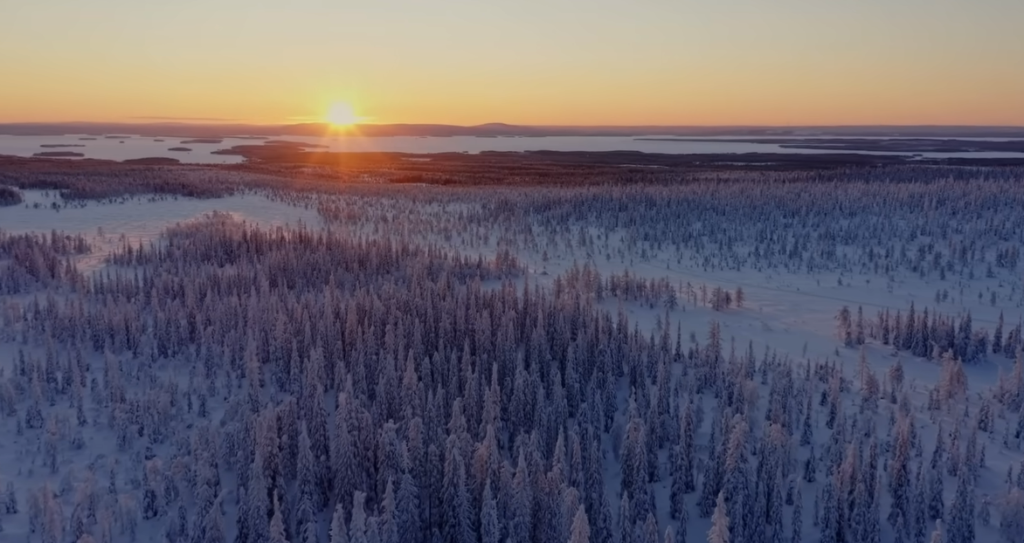
Standing close to the northern coast of Greenland, scientists have observed cracks in areas that were previously thought to be unbreakable. The Last Ice Area, which was supposed to last as the rest of the Arctic melted, is thinning. It seems as though the last haven isn’t really immune.
It’s still unclear if this decline will pick up speed quickly or continue to slow down. However, both routes lead to an unknown place.
A portion of the issue occurs beneath the ice, out of sight of anyone above. In order to melt the frozen surface from below, warmer Atlantic water has been edging northward. This process, which is sometimes referred to as “Atlantification,” alters the Arctic from below and undermines its stability in ways that are not explained by surface temperatures alone.
Devastation that occurs out of sight has an eerie quality to it.
Even winter isn’t acting the same as it used to. The ice has less time to get thick enough to last the next summer because freeze-up now starts later. Because autumn lasts longer, the ocean’s ability to seal itself again is delayed, according to scientists who track seasonal cycles.
As this is happening, it seems like winter is becoming less confident.
Rivers in Alaska have turned rust-orange due to permafrost thawing, releasing sediment and iron into once-clear waterways. Hunters who used to rely on frozen routes now carefully test each step. The ice continues to form. However, the same sense of certainty is no longer evoked.
In addition, there are polar bears.
More recent photos depict animals swimming farther between ice floes and stopping on ever-tinier platforms. Although it’s tempting to interpret those pictures as emotional, scientists usually fight the urge. It is indisputable that the habitat is getting smaller.
Within the next ten years, the Arctic may see its first summer day with almost no ice, according to climate models. Permanent disappearance is not what that means. Not right now. It would, however, indicate something fundamental: that the Arctic’s recovery cycle has weakened to an extent never seen before.
It’s difficult to ignore how infrequently that possibility is brought up now, in contrast to how remote it seemed twenty years ago.
Because it reflects sunlight and stabilizes global temperatures, the Arctic has frequently been referred to as Earth’s cooling system. The ocean gets warmer faster when it has a darker surface because it absorbs more heat. A subtle but persistent feedback loop is created.
One gets the impression that the Arctic isn’t just melting. The roles are shifting.
Emissions, ocean currents, and atmospheric patterns are some of the factors that could influence what occurs next, even outside of the Arctic. Scientists are still observing, measuring, and making predictions. But uncertainty still exists even with sophisticated models.
Disclaimer
Nothing published on Creative Learning Guild — including news articles, legal news, lawsuit summaries, settlement guides, legal analysis, financial commentary, expert opinion, educational content, or any other material — constitutes legal advice, financial advice, investment advice, or professional counsel of any kind. All content on this website is provided strictly for informational, educational, and news reporting purposes only. Consult your legal or financial advisor before taking any step.
