

Engineers in fleece jackets wait in line for espresso in glass-walled offices with a view of the hills on a foggy morning in the San Francisco Bay Area. A few blocks away, in peaceful biotechnology labs bustling with incubators and refrigeration units, researchers are examining something Silicon Valley once thought was well outside its purview: aging. Not wellness fads or wrinkles. aging itself. The gradual disintegration of cells that ultimately ends every human tale.
It’s difficult to ignore how seriously the tech industry has started to take this issue.
Silicon Valley concentrated on software, networks, and data for many years. Research that views aging as a solvable engineering puzzle rather than a fate is currently receiving billions of dollars. Investors who previously created social networks or cloud computing platforms are now supporting labs that investigate cellular renewal, DNA repair, and the silent biological clocks inside our cells.
One of the most well-known initiatives is Altos Labs, a research firm supported by large sums of money and bold concepts. In essence, the lab is investigating the idea of cellular reprogramming, which involves reprogramming older cells to act like younger ones. The underlying science has been quietly evolving in academic laboratories for years, despite the fact that it initially sounds almost ridiculous. The reasoning is alluring. It might be possible to slow down, stop, or even partially reverse aging if it occurs at the cellular level.
Computational problems have always been popular in Silicon Valley. That description now applies to aging.
This way of thinking is not wholly novel. The parent company of Google started Calico in 2013 to investigate the biology of aging. Some scientists rolled their eyes at the time. Technology companies were known for venturing into complex domains with the assurance of those who had previously tackled simpler issues. That kind of impatience is rarely rewarded in biology. The money continued to flow, though.
Wealthy entrepreneurs started investing their own money in longevity startups, approaching the science of aging in the same manner that venture capital used to approach mobile apps. Jeff Bezos supported a number of research projects. Biotech companies with a focus on cellular therapies, diagnostics, and predictive health began to receive funding from venture firms such as Andreessen Horowitz. It seems that longevity has emerged as the Valley’s newest frontier when observing the capital flow.
| Category | Information |
|---|---|
| Topic | Silicon Valley investment in longevity and anti-aging science |
| Major Research Lab | Altos Labs |
| Early Tech Initiative | Calico |
| Major Investor | Jeff Bezos |
| Tech Entrepreneur Biohacker | Bryan Johnson |
| Venture Capital Interest | Andreessen Horowitz |
| Focus of Research | Cellular reprogramming, biological age tracking, AI-driven drug discovery |
| Reference Sources | BBC Future science coverage • National Institutes of Health research database |
However, the tale isn’t limited to corporate labs. Alongside the science itself, an odd cultural movement has emerged. Tech entrepreneurs are experimenting on their own bodies, sometimes in ways that are half theatrical and half scientific. Bryan Johnson, who spends millions annually on medical tests, supplements, and a rigorous lifestyle regimen intended to slow aging, is arguably the most extreme example.
According to reports, his daily routine consists of meticulously measured diets, biometric monitoring, and an army of doctors monitoring everything from blood chemistry to sleep cycles. Anyone who has seen Silicon Valley produce software products will find it strangely familiar to read the details. Measure everything. Continue to optimize. Iterate rapidly.
The Valley’s fascination with longevity may be explained by this way of thinking.
The prevailing belief in technology culture is that most issues can be resolved with sufficient data, computation, and perseverance. But death finds an awkward place in that perspective. Engineers who have created billion-dollar businesses frequently believe that every system can be made better. This assumption is uncomfortably challenged by aging.
Additionally, there is a more subdued motivation that is seldom expressed explicitly. Early in life, many tech founders made their fortunes. They now have the means and the time to consider their options. Suddenly, extending a healthy life by decades becomes a personal investment rather than just a scientific curiosity.
However, not all members of the scientific community are as enthusiastic.
Aging is incredibly complicated, as biologists frequently note. Over time, thousands of interconnected systems gradually deteriorate. One pathway’s repair could interfere with another. Whether human lifespans can be significantly increased without causing new issues is still up for debate. Then there are the moral dilemmas.
Who will have access to radical longevity treatments first if they are developed? Rich investors? Participants in early clinical trials? Whole populations? A subtle conflict between the optimism of the Valley and the slower, more cautious tradition of medicine is evident as the debate progresses. However, the momentum is still going strong.
Startups are creating tests that compare an individual’s cellular health to their age in order to determine their “biological age.” Genetic data is being analyzed by artificial intelligence to find novel therapeutic candidates that target age-related illnesses. Wearable technology continuously generates streams of personal health data by monitoring heart rhythms, metabolic signals, and sleep. It feels revolutionary in some ways. It feels a little speculative at times.
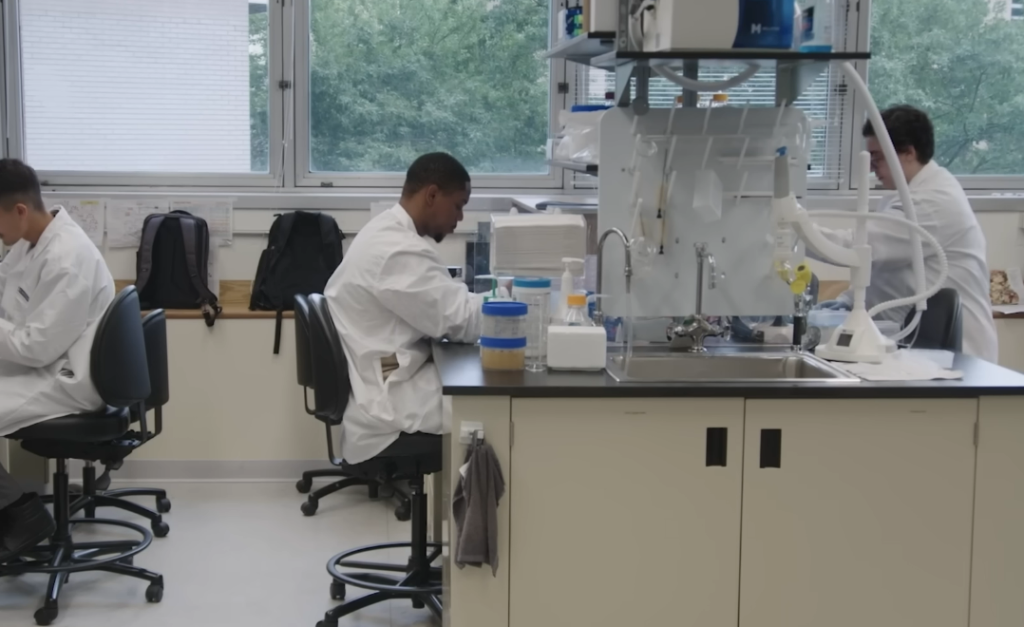
It is evident that the effort to prolong life has entered a new stage when one is standing inside a contemporary biotech lab with rows of stainless steel equipment, pipettes clicking softly, and scientists observing cells grow in petri dishes. Research on aging used to be a specialty of academia. It’s an industry now.
It’s unclear if the endeavor will be successful.
Disclaimer
Nothing published on Creative Learning Guild — including news articles, legal news, lawsuit summaries, settlement guides, legal analysis, financial commentary, expert opinion, educational content, or any other material — constitutes legal advice, financial advice, investment advice, or professional counsel of any kind. All content on this website is provided strictly for informational, educational, and news reporting purposes only. Consult your legal or financial advisor before taking any step.
