

A plumbing technician knocks on a homeowner’s door somewhere in a suburb of western Pennsylvania. The technician, who is well-equipped and has a professional appearance, determines that the sewer line is compromised because the toilet is slow and possibly the drains are backing up. It will require excavation. Tens of thousands of dollars are spent on a job that may or may not have been necessary in the first place after the estimate is delivered, the contract is signed, and the homeowner, shaken but believing that the expert knows best, consents to pay for it. The Gillece Services attorney general lawsuit, which began in 2020 and has now reached the Pennsylvania Supreme Court, is one of the more significant consumer protection cases in Pennsylvania’s recent legal history. This scenario has been repeated throughout the Pittsburgh area for many years.
In September 2020, the Pennsylvania Attorney General’s Office filed a lawsuit against Gillece Services, claiming that the Pittsburgh-based contractor had been deceiving clients into paying for needless home renovation projects. The main accusation was clear and specific: the attorney general’s Bureau of Consumer Protection claimed that Gillece technicians were recommending expensive excavation and pipe replacement without first making a sincere, good-faith effort to remove sewer blockages with a sewer snake. To put it another way, customers, who typically lack the means to independently assess the state of their subterranean sewer infrastructure, were forced to rely on the technician’s word because the less costly solution was allegedly being neglected in favor of the more lucrative one.
Key Information Table
| Detail | Information |
|---|---|
| Company | Gillece Services, LP / Gillece Plumbing and Heating, Inc. |
| Location | Pittsburgh, Pennsylvania (Western Pennsylvania service area) |
| Years in Operation | 45+ years (family-owned and operated) |
| Owner Named in Lawsuit | Thomas J. Gillece (Tom Gillece Sr.) |
| Plaintiff | Commonwealth of Pennsylvania, Office of Attorney General |
| Original AG Filing | September 1–2, 2020 (filed by then-AG Josh Shapiro) |
| Current AG on Case | A.G. M. Henry (as of 2024 filings) |
| Original Allegations | Misleading customers into paying for unnecessary home improvement work; failure to honor contract cancellations; false advertising regarding technician qualifications |
| Specific Practice Alleged | Failing to attempt sewer snake before recommending costly excavation; recommending unnecessary sewer pipe replacement |
| Court (Initial Ruling) | Allegheny County Court of Common Pleas |
| 2023 Ruling Date | August 4, 2023 |
| 2023 Ruling Findings | Gillece and Tom Gillece Sr. violated Pennsylvania Home Improvement Consumer Protection Act (HICPA) and Consumer Protection Law |
| Injunctions Issued | Required Gillece to honor cancellation requests, provide timely refunds, and disclose advertising terms honestly |
| 2024 Appeals Court Case | Com. of PA, Office of A.G. v. Gillece Services, LP — Docket No. 861 C.D. 2023 |
| 2024 Ruling Date | July 3, 2024 |
| 2024 Landmark Ruling | Contractors must honor verbal cancellation requests under HICPA regardless of communication medium |
| Key Consumer Example | Jake Wiley — signed $16,071.33 sewer replacement contract; called to cancel; crew arrived anyway |
| Pennsylvania Supreme Court | As of October 2025, poised to affirm ruling; Justices observed residential customers can verbally cancel |
| Laws Invoked | HICPA (Home Improvement Consumer Protection Act); UTPCPL (Unfair Trade Practices and Consumer Protection Law) |
| Consumer Complaints | File with Pennsylvania Bureau of Consumer Protection: 800-441-2555 |
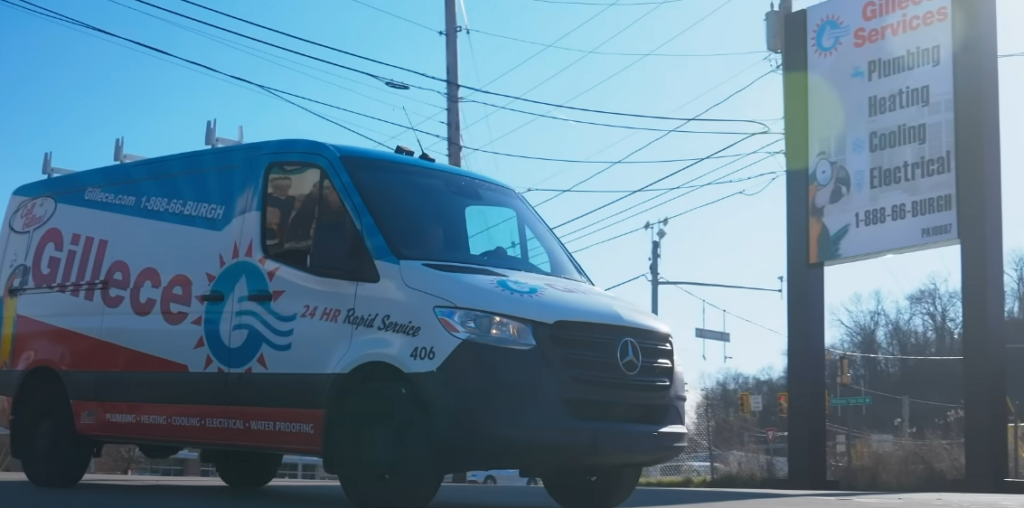
As these cases frequently do, the case proceeded slowly, but the court’s conclusions were significant. The Allegheny County Court of Common Pleas ruled in August 2023 that Gillece Services and its proprietor, Tom Gillece Sr., had violated the Consumer Protection Law and the state’s Home Improvement Consumer Protection Act (HICPA). The recorded infractions went beyond dubious repair suggestions. The court determined that Gillece used advertising that made false or misleading claims about the credentials of its technicians, penalized customers who tried to cancel their home improvement contracts, and disregarded customers’ requests to do so. The business was required by several injunctions to permit cancellations, offer prompt refunds, and truthfully disclose the conditions and limitations associated with its promotional offers.
Subsequently, the 2024 ruling transformed the case into one with wider ramifications for the whole home improvement sector. When considering Gillece’s appeal, the Pennsylvania Commonwealth Court tackled a question that was left unclear by the original HICPA statute: is it necessary for a customer to cancel a home improvement contract in writing, or is a phone call sufficient? The Jake Wiley case brought the matter into sharp relief. Wiley and Gillece had agreed to a $16,071.33 contract for the replacement of a sewer pipe. He called Gillece that night to cancel. He was assured that his message would be forwarded. Wiley had already left his house when Gillece called the following morning to make sure the crew was on its way. Wiley reaffirmed his decision to cancel. Nevertheless, the crew reached the house. The crew didn’t leave without finishing the job until Wiley’s fiancée and Wiley himself, who was calling from wherever he was, insisted.
It’s difficult to ignore the fact that Mr. Wiley’s experience wasn’t technically difficult. He repeatedly said no. in simple terms. And the business continued to arrive. The Commonwealth Court declared that conduct to be unlawful. A consumer may cancel a home improvement contract under HICPA within three business days without incurring penalties. Crucially, the statute makes no mention of the need for written notice. Regardless of how cancellation requests are communicated, the court decided that contractors must comply. A phone call is considered valid. A dialogue is important. What counts is that the contractor was informed of the customer’s decision to cancel.
The Pennsylvania Supreme Court is about to make a decision. According to Lynch Law Group reporting, the Justices heard oral arguments on the case in October 2025 and noted that residential customers should be able to verbally cancel under HICPA. The legal standard will be established in Pennsylvania if the Supreme Court upholds the Commonwealth Court’s decision; contractors throughout the state will be subject to the requirement that a customer’s stated intention to cancel, conveyed through any reasonable means, be respected.
As this case progresses, it seems to have implications that go far beyond Gillece Services in particular. Homeowners, especially those who are elderly or have little understanding of how household systems operate, have long complained about high-pressure sales tactics used by the home improvement industry, especially in the plumbing and HVAC sectors. The kind of legal clarification that consumer advocates have been looking for for years is a definitive ruling that requires contractors to honor verbal cancellations and makes it clear that the consumer protection laws are written in favor of the consumer rather than the contractor. It remains to be seen if Gillece continues to operate under those new restrictions and whether the attorney general’s remaining claims regarding needless work are ultimately resolved. However, when Pennsylvania homeowners pick up the phone and say they’ve changed their minds, the legal record being created in this case has already significantly altered what they owe.
Disclaimer
Nothing published on Creative Learning Guild — including news articles, legal news, lawsuit summaries, settlement guides, legal analysis, financial commentary, expert opinion, educational content, or any other material — constitutes legal advice, financial advice, investment advice, or professional counsel of any kind. All content on this website is provided strictly for informational, educational, and news reporting purposes only. Consult your legal or financial advisor before taking any step.
