

A structure that has stood for eighty-five years is currently being demolished somewhere on the University of Houston campus. In order to make room for something the university estimates is worth $81.7 million, the Technology Annex Building—a building that predates the end of World War II, watched the space race unfold from a few miles away, absorbed decades of Houston heat, and accumulated the unique kind of institutional wear that old campus buildings accumulate quietly—is being reduced to rubble. What you believe a university should uphold will determine whether or not that trade is worthwhile.
The new Innovation Hub was supposed to open as early as spring 2025, but the demolition work started in January 2026, approximately a year behind schedule. Projects of this size frequently experience delays, and UH has not provided a thorough public accounting of the factors that caused the schedule to be delayed. The fact that the wrecking crews are now on the scene and that the building’s destiny is no longer outlined in a planning document is evident. The demolition is proceeding methodically and emotionlessly, just like any other demolition.
The Technology Annex Building was never an opulent building. It was the kind of utilitarian campus structure that colleges build when they need space and practicality is more important than architecture; it was strong, useful, and long-lasting, which it did for eight and a half decades without much praise. But whether they deserve it or not, structures like that gain significance over time. Even though the building itself is unremarkable, there are real associations with the faculty who used it during Houston’s rise as an energy capital, the staff who worked there for careers, and the students who passed through its hallways during the postwar boom. When old campus buildings are demolished, there are always questions that the renderings of the new buildings cannot adequately address.
Key Information: University of Houston Innovation Hub
| Field | Details |
|---|---|
| Institution | University of Houston (UH) — Houston, Texas |
| Project Name | Innovation Hub |
| Project Cost | $81.7 million (approximately $82 million) |
| Building Being Demolished | Technology Annex Building — approximately 85 years old |
| Demolition Start | January 2026 (recently underway as of April 2026) |
| Demolition Timeline | Approximately one year to complete |
| Original Expected Opening | Spring 2025 (since delayed) |
| Project Type | Major academic and research facility — innovation-focused |
| Campus Planning Body | UH Master Plan Committee |
| Geographic Context | Located on UH’s main campus in Houston, Texas |
| Broader Context | Part of Houston’s expanding technology and innovation corridor; mirrors similar investments at Texas A&M, UT Dallas |
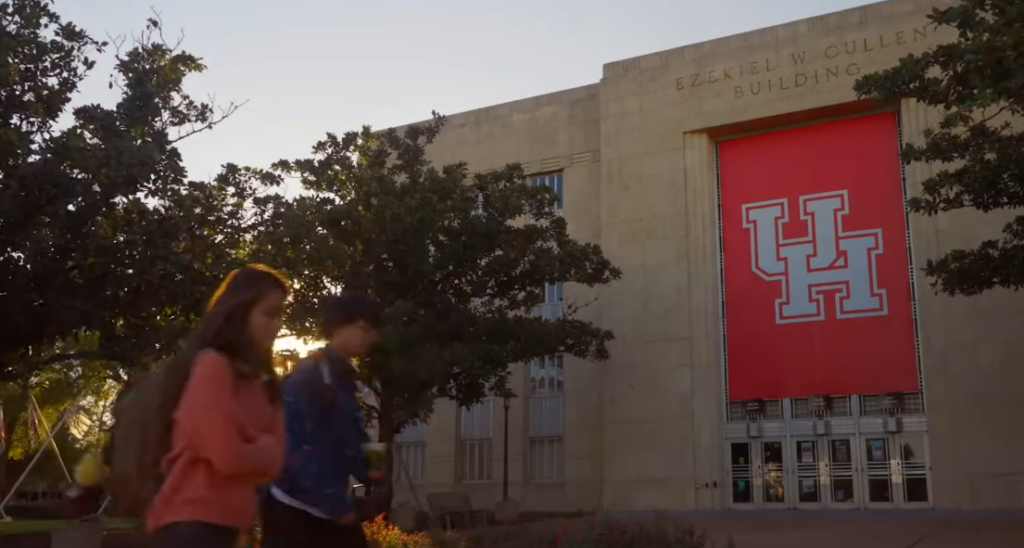
Nevertheless, UH makes a strong case for the Innovation Hub. Houston is attempting to expand its identity beyond the oil and gas sector that characterized it for the majority of the 20th century as part of a true economic evolution. The city is constructing data centers, drawing biotech investment, and creating a technology corridor that was nonexistent ten years ago. Recently, Texas A&M started construction on a brand-new Semiconductor Institute. A $700,000 state grant for a semiconductor training cleanroom was recently awarded to UT Dallas. Texas universities are under intense and growing pressure to produce graduates and research pertinent to these industries. An annex building that is eighty-five years old is not in a position to assist with any of that.
Discussions about Houston’s current development give the impression that the city has chosen to outrun rather than cooperate with its past. Formerly known as the Eighth Wonder of the World, the Astrodome has been abandoned for more than 20 years while numerous plans for its preservation and reconstruction have been discussed but never resolved. The same impatience is evident in the University of Houston’s decision to simply demolish the Technology Annex rather than renovate or repurpose it. In many respects, Houston has always been more interested in the future than the past.
After the site is cleared and construction starts, the UH Master Plan Committee will decide exactly what will be included in the Innovation Hub. The programming’s specifics haven’t been made public in a way that would enable a clear evaluation of how well or ambitiously $81.7 million is being allocated. Nationally, the performance of innovation hubs as a type of campus building has been uneven; some have developed into true hubs for industry collaboration and research, while others have become pricey places where students use laptops that they could have used anywhere. Theoretically, the idea is sound, but in practice, these projects frequently fall short of expectations.
Given that the timeline has already changed once, it is still unclear exactly when the new facility will open. In Texas, construction projects of this magnitude and complexity frequently encounter the well-known factors of material costs, labor availability, permit procedures, and the sporadic scope revision. Due to the data center boom and the numerous development projects centered around the city’s growing technological footprint, Houston’s construction industry has been extremely active, attracting workers and resources. The university will have to deal with whether that interferes with UH’s timeline.
When you watch a building collapse, it’s difficult not to feel the weight of what it contains. Eighty-five years is a long time. The campus was still establishing itself as a serious research university when the Technology Annex Building opened during World War II. Back then, Houston was a different city: it was smaller, less varied, and less integrated into the world economy that it is now a part of. The building saw changes in the surrounding city and the university. Even if acknowledging it doesn’t alter the choice, there is something worthwhile in that.
When the Innovation Hub is completed, the UH campus will have a different appearance. It will take years to find an answer to the question of whether it will perform better—that is, whether the new building will generate the industry partnerships, startup businesses, and research collaborations that warrant demolishing a portion of the university’s own history. It takes time to demonstrate these things. Once constructed, the structure will either serve as a monument to a hopeful era or subtly justify itself through use. Both types have been constructed by universities. Both types have been destroyed in Houston. That distinction is not made by the wrecking crews. They simply continue to work.
Disclaimer
Nothing published on Creative Learning Guild — including news articles, legal news, lawsuit summaries, settlement guides, legal analysis, financial commentary, expert opinion, educational content, or any other material — constitutes legal advice, financial advice, investment advice, or professional counsel of any kind. All content on this website is provided strictly for informational, educational, and news reporting purposes only. Consult your legal or financial advisor before taking any step.
