

Oracle doesn’t elicit the same response from the trading floor as brighter names like Microsoft or NVIDIA. Even though there isn’t as much drama or media attention, there’s a feeling that something more significant is going on beneath the surface when you watch the numbers flicker on a terminal. Oracle’s stock, which is currently trading at about $154, feels strangely torn between being a reputable enterprise software behemoth and a business that is attempting, almost desperately, to reinvent itself for the AI era.
The atmosphere at Oracle was quite different a few months ago. The optimism surrounding artificial intelligence and large cloud contracts had propelled the stock toward its highs. Investors appeared to believe the company had discovered its second act at last. However, the specifics—massive capital expenditures, mounting debt, and an unexpected change in cash flow—started to become apparent. It’s possible that the fundamentals couldn’t keep up with the excitement.
| Category | Details |
|---|---|
| Company Name | Oracle Corporation |
| Founded | 1977 |
| Founders | Larry Ellison, Bob Miner, Ed Oates |
| Headquarters | Austin, Texas, USA |
| Employees | ~162,000 (2025) |
| Market Cap | ~$442 Billion |
| Stock Symbol | ORCL (NYSE) |
| Current Price | ~$154 |
| P/E Ratio | ~27 |
| Dividend Yield | ~1.3% |
| 52-Week Range | $118 – $345 |
| Revenue (2025) | ~$57.4 Billion |
| Key Segment | Cloud Infrastructure (OCI) |
| Reference Links | Oracle Investor Relations • Yahoo Finance – ORCL |
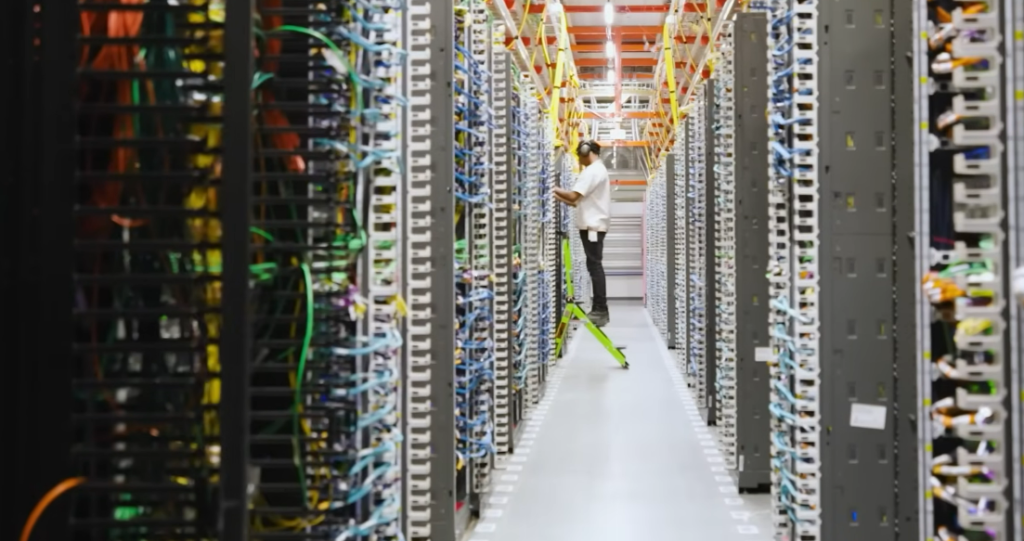
It now feels like a mid-build construction site to stroll through Oracle’s story. Steel frames rising against vacant land, data centers are expanding at an aggressive rate, all of which promise future revenue that hasn’t quite materialized yet. With cloud growth surpassing 30%, the company reported impressive quarterly revenue of over $17 billion. That is genuine momentum. However, it is accompanied by an unsettling reality: billions of dollars in negative free cash flow, a dramatic reversal from only a year ago.
The earnings call where executives calmly explained the cash burn is a moment that investors keep going back to. as a stage rather than a problem. The reasoning is straightforward: construct now, make money later. In the tech industry, this script is well-known and has been used for years by firms like Amazon. However, it’s still unclear if Oracle can take the same course, particularly given its size and degree of leverage.
Oracle’s tardiness in joining the cloud wars contributes to some of the tension. Oracle moved more cautiously, relying on its dominance in databases, while competitors spent years developing infrastructure. It is now speeding up, nearly condensing ten years of growth into a few intense years. Regarding whether that urgency is a risk or a strength, investors appear to be split. Oracle seems to be attempting to both catch up and advance simultaneously.
However, there is an indisputable appeal to its stance. Oracle is partnering with rivals and directly integrating its database tools into multi-cloud environments in addition to selling cloud space. That is not typical. It allows the business to operate within ecosystems created by others, giving it a sort of quiet leverage. As this develops, it’s difficult to ignore how different Oracle’s approach feels from its competitors’ simpler methods.
However, the numbers keep bringing the discussion back to the present. The amount of debt has surpassed $100 billion. Capital expenditures are still increasing. Future revenues of $90 billion have been hinted at by the company, which sounds ambitious, possibly even plausible, but also far off. Investors appear to be posing the straightforward query, “How long can this spending continue before patience runs out?”
Expectations are another issue. Price targets indicate considerable upside, and analysts still seem optimistic. Despite the stock’s roughly 20% decline this year, that optimism persists in the background, almost obstinately. Oracle might be receiving more time from the market than a younger, less established business. Reputation is still important.
A more subdued story that doesn’t depend on rapid expansion is emerging at the same time. Oracle is still profitable. A dividend is paid by it. It still produces consistent business revenue. That kind of stability seems almost archaic in a market that is fixated on speed. However, perhaps that is part of the allure. A rocket ship is not what every investor desires.
Even so, there’s something unsettling about watching Oracle these days. The ambition is evident and nearly overwhelming. Although not yet complete, the execution is encouraging thus far. The company seems to be in a precarious position—too invested to go back, but not quite proven.
Disclaimer
Nothing published on Creative Learning Guild — including news articles, legal news, lawsuit summaries, settlement guides, legal analysis, financial commentary, expert opinion, educational content, or any other material — constitutes legal advice, financial advice, investment advice, or professional counsel of any kind. All content on this website is provided strictly for informational, educational, and news reporting purposes only. Consult your legal or financial advisor before taking any step.
