

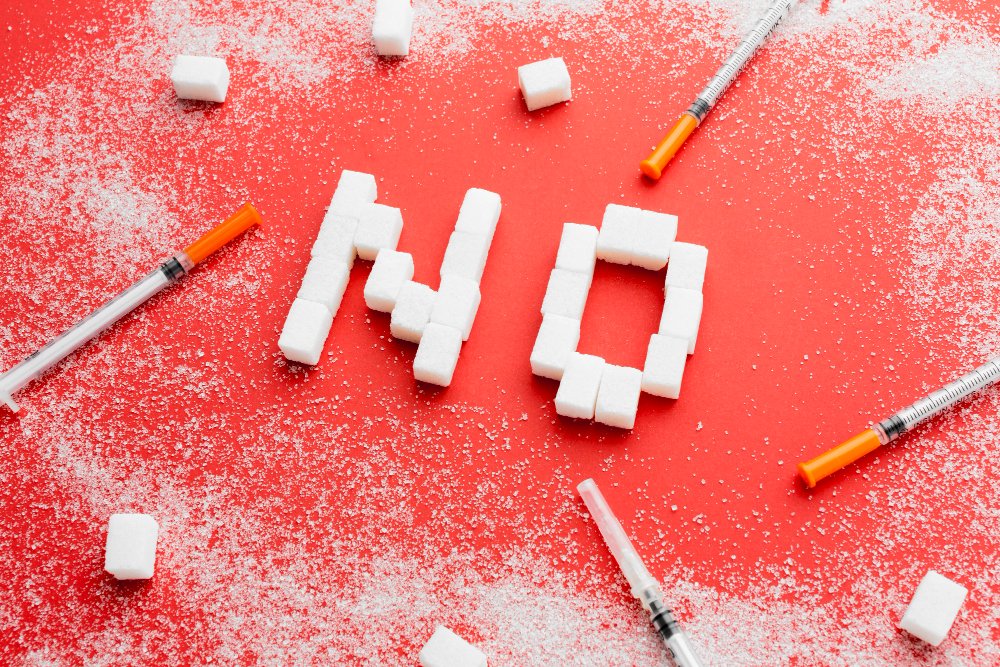
By the early 1970s, John Yudkin was being silently removed. His book Pure, White and Deadly dared to question the rising star of nutritional science—sugar. While America was blaming butter, Yudkin saw something else: a white, crystalline substance that made us feel wonderful but left our bodies devastated.
In addition to being unpopular, Yudkin’s opinions—which are now remarkably prophetic—were professionally problematic for a sector that relies heavily on cereal aisles and soda fountains. His career was quietly and firmly frozen. What followed was one of the most astonishingly effective rebrands in dieting history. Fat became the villain. The sweet savior is sugar.
| Fact | Detail |
|---|---|
| Term Origin | “The Sugar Conspiracy” stems from investigations into sugar industry influence on science and public policy. |
| Major Whistleblower Book | Pure, White and Deadly by John Yudkin (1972); revived by Dr. Robert Lustig in 2009 |
| Key Scientific Support | Gary Taubes (The Case Against Sugar), Robert Lustig (UCTV lecture), NIH, UCSF archival findings |
| Core Allegation | Sugar industry paid scientists in the 1960s to shift blame for heart disease from sugar to fat |
| Brain Response | Sugar triggers dopamine surges in brain’s reward centers, mirroring addiction patterns |
| Industry Tactics | Paid-off research, misleading food labeling, lobbying against sugar regulation |
| Public Health Impact | Links to obesity, diabetes, heart disease, tooth decay, even childhood cognitive effects |
| External Reference | https://www.theguardian.com/society/2016/apr/07/the-sugar-conspiracy-robert-lustig-john-yudkin |
By 1967, the Sugar Research Foundation had paid Harvard scientists the equivalent of $50,000 to create a literature review that shifted the focus of cardiovascular illness away from sugar and toward saturated fat, according to records just uncovered by UCSF researchers. That review, published in The New England Journal of Medicine, did not disclose its sponsorship.
It wasn’t a rogue operation. It was a very efficient blueprint—echoed decades later by tobacco, alcohol, even the fossil fuel lobby.
The body’s response to sweets is primordial. As Daniel Lieberman of Harvard noticed, sweet foods were historically rare, sought after for their vigor. Our genes are deeply ingrained with a predisposition for ripe fruit and root vegetables due to evolution. However, contemporary processing industrialized these desires in addition to satisfying them.
A trickle turned into a flood. Over half of the average American diet now consists of ultra-processed foods. Many of them are crafted with an incredible precision—designed not simply to taste nice but to feel good neurologically. When sugar consumption is compared to drug use, brain scans show something more unsettling: dopamine surges similar to those caused by cocaine.
Children consuming sweet liquids, snack bars labeled “all natural”—these aren’t little indulgences. They are inputs into a neuronal system that begins rewiring from the first hit. This is not metaphor. This is a repeatable, quantifiable, and scientifically verified modification of the reward system in the brain.
I remember pausing midway through Robert Lustig’s 2009 lecture Sugar: The Bitter Truth, astonished not by his facts—but by how late they felt.
In recent decades, sugar has been linked not just to obesity and diabetes, but to chronic inflammation, fatty liver disease, cognitive decline, and even asthma. Particularly in children, high maternal sugar intake is connected with greater allergy sensitivity and respiratory difficulties. The long-term costs are still unfolding.
Yet even as the evidence mounted, the industry turned rather than paused. When cane sugar fell under examination, other sweeteners arrived. corn syrup. Evaporated cane juice. Agave nectar. Similar responses, different labels.
The Coca-Cola Company, according to a 2015 New York Times report, funded research that downplayed the link between sugary drinks and obesity. Candy firms supported research that showed children who ate sweets were leaner than those who didn’t. The strategy was consistent: generate doubt, shift responsibility, and most all, safeguard consumption.
By developing bliss-point foods—those that optimize flavor, texture, and caloric reward—manufacturers developed a very novel sort of commercial success: addiction without legal consequence. Each bite, each sip, contained a marginal cost the consumer couldn’t instantly feel.
Over time, neuroscientists like Charles Zuker have identified the taste response routes from gut to brain. His research reveals that even if we block the tongue’s receptors, our intestines still detect sugar and trigger the dopamine cycle. This bypass mechanism may be why artificial sweeteners occasionally fail to control cravings—they don’t trip the gut-brain circuit.
By employing optogenetics, Zuker’s team was able to mimic taste experiences in mice by merely stimulating specific brain regions. This caused the animals to act as though they were tasting sweet or bitter items, choking or searching, even though they had nothing to eat. Even if these findings are fundamental, they reveal something terrifyingly practical: desire’s circuitry can be turned on or off like a switch.
For food addiction researchers, this signifies a turning point. By pinpointing the exact feedback loops sugar exploits, we may finally create therapies that reduce its grip—without dulling delight totally. Restoring equilibrium without sacrificing enjoyment is still the tightrope.
In the viewpoint of public health, the sugar argument is no longer about willpower. It has to do with engineered behavior. It has to do with openness. And above all, it’s about revising the tale that we’ve been told for half a century.
Emerging dietary guidelines increasingly propose limiting “free sugars”—those added by manufacturers or present in syrups, juices, and processed foods. This change is beneficial, although it’s only partial. The true challenge comes upstream, in regulation and reform of the food sector itself.
Particularly worrying is how these habits develop early in life. Children, exposed to sugar-heavy diets from infancy, may have their dopamine response adjusted to a higher baseline. By adolescence, their expectations of pleasure are already influenced by hyper-palatable foods. This is a neurochemical expectation rather than just a preference.
Fortunately, shifts are underway. With noticeably better results, nations like Chile and the UK have imposed sugar tariffs and package warnings. Despite their controversy, these rules have greatly decreased the consumption of sugar-filled beverages, particularly among low-income households. Even while the ingredients aren’t changing, the discussion is.
Education, labeling, and support for fresh, unprocessed substitutes continue to be our best instruments for the time being. But if research into cerebral rewiring continues developing, a new frontier may open: food as programming, and deprogramming. Until then, perhaps the most subversive thing we can do is this—teach our children that sweet is not necessarily safe.
And sometimes the most lingering aftertaste is the harsh reality.
Disclaimer
Nothing published on Creative Learning Guild — including news articles, legal news, lawsuit summaries, settlement guides, legal analysis, financial commentary, expert opinion, educational content, or any other material — constitutes legal advice, financial advice, investment advice, or professional counsel of any kind. All content on this website is provided strictly for informational, educational, and news reporting purposes only. Consult your legal or financial advisor before taking any step.
