

For almost fifty years, the Presidential Records Act has been in effect. Reagan, both Bushes, Clinton, Obama, and even Trump’s first term survived it, as the administration admitted in ongoing legal proceedings that the White House was subject to its obligations. On April 7, 2026, the American Historical Association and the watchdog organization American Oversight filed a lawsuit in federal court in Washington, D.C., contesting a Department of Justice memo that ruled the law unconstitutional and informed the president that he was no longer required to abide by it. This marked the end of that streak, or at least the beginning of its most serious legal challenge to date.
The DOJ’s Office of Legal Counsel, which publishes legal advice that is generally regarded as binding throughout the executive branch, is the source of the disputed memo. The Presidential Records Act, which Congress passed in 1978, “serves no identifiable and valid legislative purpose,” and it goes beyond congressional authority because Congress cannot preserve presidential records “merely for the sake of posterity.” It’s worth pondering that final statement. In essence, the argument is that history alone is insufficient to support the law’s preservation of presidential records. As one might anticipate, historians have a different perspective on this.
Key Information: Presidential Records Act (PRA)
| Detail | Information |
|---|---|
| Full Name | Presidential Records Act of 1978 |
| U.S. Code | 44 U.S.C. §§ 2201–2209 |
| Enacted | November 4, 1978 |
| Enacted By | 95th United States Congress |
| Effective For | Records created or received after January 20, 1981 |
| Purpose | Preserve presidential records; establish them as property of the American people |
| Administered By | National Archives and Records Administration (NARA) |
| Current Challenge | DOJ Office of Legal Counsel memo declaring PRA unconstitutional (April 2026) |
| Lawsuit Filed | April 7, 2026 — American Historical Association & American Oversight |
| Presiding Judge | U.S. District Judge Beryl Howell |
| Records at Risk | 700+ million White House emails; records from current and prior administrations |
| Historical Context | Passed in response to Watergate scandal and Nixon’s records controversy |
Reference Links: Presidential Records Act — National Archives AHA Files Lawsuit to Defend the Presidential Records Act — American Historical Association
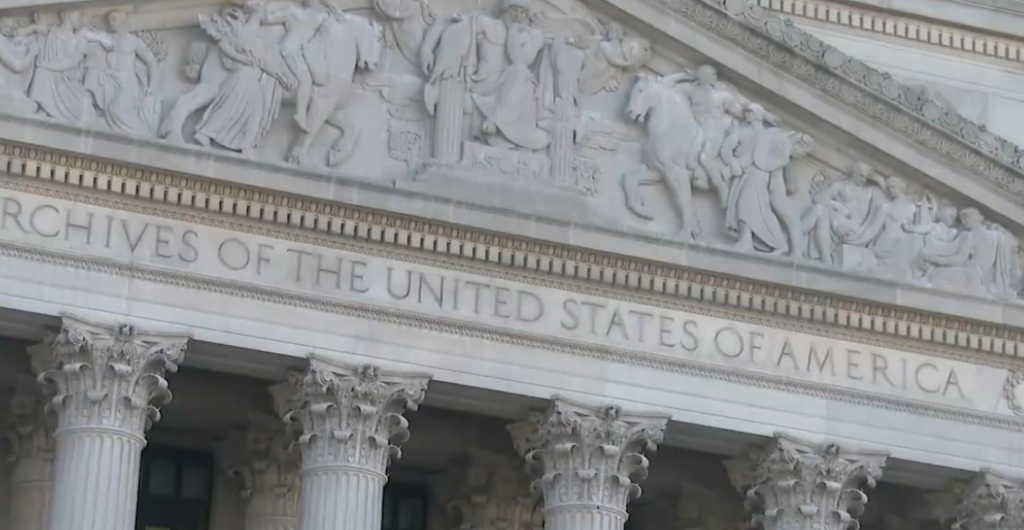
The Watergate scandal gave rise to the law. That is the entire origin story; it is not incidental. Following the collapse of Nixon’s presidency due to the revelations of his own tapes and the protracted legal battle over who owned those tapes and what happened to them, Congress passed legislation establishing a long-held belief that the records of a president’s term in office belong to the American people, not the president. That idea was codified by the PRA, which also established the procedure for records to be moved to the National Archives at the conclusion of a term, stored, and eventually made public. Since then, it has governed every administration. Its constitutional standing had not been formally questioned by any.
It’s difficult to ignore the significance of who is currently contesting this legislation. There is ample evidence of Donald Trump’s complex relationship with presidential records. Instead of moving the boxes of official documents to the National Archives as required, he kept them at his Mar-a-Lago estate in Palm Beach after leaving office in January 2021. In the end, fifteen boxes were found in a first retrieval by federal investigators, followed by dozens more, some of which were kept in a bathroom and others on a shower floor. These discoveries served as the foundation for a federal indictment. The underlying behavior served as the context for the current DOJ memo, even though that case ultimately ended. It is challenging to interpret the connection as coincidental.
The OLC memo, according to the lawsuit filed by American Oversight and the AHA, is an attempt to overturn a law that courts have already considered, violates binding Supreme Court precedent, and relies on essentially no judicial authority. The Supreme Court maintained Congress’s power to control the preservation and disclosure of presidential materials when Nixon contested previous records laws. There has never been a reversal of that decision. The plaintiffs contend that it is merely ignored in the current memo. They want the court to rule that the PRA is constitutional, prohibit the administration from using the OLC guidance, and mandate future adherence to the preservation requirements of the law.
Practically speaking, there is a lot at stake. According to legal experts referenced in case-related filings, the administration’s stance may prevent the public from accessing over 700 million White House emails, in addition to records from previous administrations that are presently undergoing the PRA’s release procedure. Materials from Trump’s first term can now be accessed by the public thanks to a clause in the law that permits access to some records after five years. American Oversight had specifically targeted those records with Freedom of Information Act requests, looking for evidence of what the organization claims to be power abuses, conflicts of interest, and corruption. The decisions made by federal courts will determine whether or not those requests are granted.
Beyond this specific lawsuit or this specific president, there is a larger trend to be aware of. The OLC memo is a part of a larger debate about presidential power that has been going around for years in conservative legal circles. This argument holds that the executive branch is given authority by Article II of the Constitution that Congress is unable to limit through regular legislation. This argument has been used in discussions about independent agencies, congressional subpoenas, and now records preservation. Every single case appears to be a unique legal dispute. When taken as a whole, they present a theory of the presidency that differs significantly from what the majority of Americans have believed the position to be for the past century.
The American Historical Association’s participation in the case has significance of its own. The AHA was established in 1884 and was incorporated by Congress in 1889. Since 1910, it has advocated for the preservation of federal records. Records, according to a statement from its executive director, are “materials which historians must use in order to ascertain the truth.” It was said over a century ago. It is currently being made once more in federal court in response to a distinct yet somewhat similar challenge. U.S. District Judge Beryl Howell will now have to decide whether the courts will concur that the American people’s claim to their own history supersedes a president’s desire to cling to it.
Disclaimer
Nothing published on Creative Learning Guild — including news articles, legal news, lawsuit summaries, settlement guides, legal analysis, financial commentary, expert opinion, educational content, or any other material — constitutes legal advice, financial advice, investment advice, or professional counsel of any kind. All content on this website is provided strictly for informational, educational, and news reporting purposes only. Consult your legal or financial advisor before taking any step.
