

On any given morning in Miami Beach, stroll along Collins Avenue past the palm trees and the salty air to see the Fontainebleau as it always has been: massive, curved, and distinctly itself. In 1954, it opened. Here, Frank Sinatra gave a performance. At least in movies, James Bond slept here. It still attracts people who are prepared to spend a lot of money for a night with a view of the ocean because of its weight and reputation, which has been established over many years. The fact that some of the actual owners of this fabled property are now suing it is all the more startling.
The Fontainebleau hotel condo lawsuit, which was filed in late March at Miami-Dade Circuit Court, recounts a tale that has become surprisingly common in upscale mixed-use properties, albeit infrequently on this scale and involving a hotel with such a well-known brand. Fontainebleau Development and two of its affiliates are being sued by six owners of the Tresor and Sorrento towers, two high-rise condo-hotel structures on the same expansive Collins Avenue property. Fundamentally, they contend that the hotel is attempting to coerce them into a rental program that they have every legal right to avoid by imposing a set of new regulations that are so costly that it is nearly impossible for them to remain outside the program.
The numbers quickly convey the story. Owners who opt out of the hotel’s in-house rental program will be assessed $1,000 for each night a guest stays in their unit under new regulations that go into effect on May 15. Consider that a one-bedroom ocean view unit on the hotel’s own website rents for somewhere between $875 and $1,902 a night in May. There is a problem with the math. A $1,000 nightly fee results in a loss, or one that is so close to one that the investment is no longer profitable. That’s not even taking into consideration the additional fees for sheets and towels or the need to employ outside housekeepers who aren’t allowed to work on weekends under the revised regulations.
Key Information Table
| Detail | Information |
|---|---|
| Hotel Name | Fontainebleau Miami Beach |
| Address | 4441 Collins Avenue, Miami Beach, Florida |
| Owner | Jeffrey Soffer (billionaire; Aventura-based Fontainebleau Development) |
| Property Size | 22 acres; 1,504 rooms total |
| Condo Towers Involved | Tresor (4401 Collins Ave) & Sorrento (4391 Collins Ave) |
| Total Condo-Hotel Units | 748 combined across both towers |
| Units in Rental Program | Approx. 674 enrolled |
| Plaintiffs | Tatiana Rybak; Alexander & Tatiana Dvorsky; Mustafa Hakim; Solaria Investments; E&F Management |
| Plaintiffs’ Attorney | David Haber / Steve Davis — Haber Law, Miami |
| Lawsuit Filed | March 27, 2026 (Miami-Dade Circuit Court); additional suit filed January 2026 |
| New Rules Effective Date | Originally April 15, updated to May 15, 2026 |
| Key Fee Disputed | $1,000 per guest night for owners opting out of rental program |
| Hotel Rental Program Split | 55% of gross revenue to hotel, plus $180/day and taxes |
| Relief Sought | Immediate injunction to permanently block new rules |
| Hotel Response | Fontainebleau Development declined to comment on pending litigation |
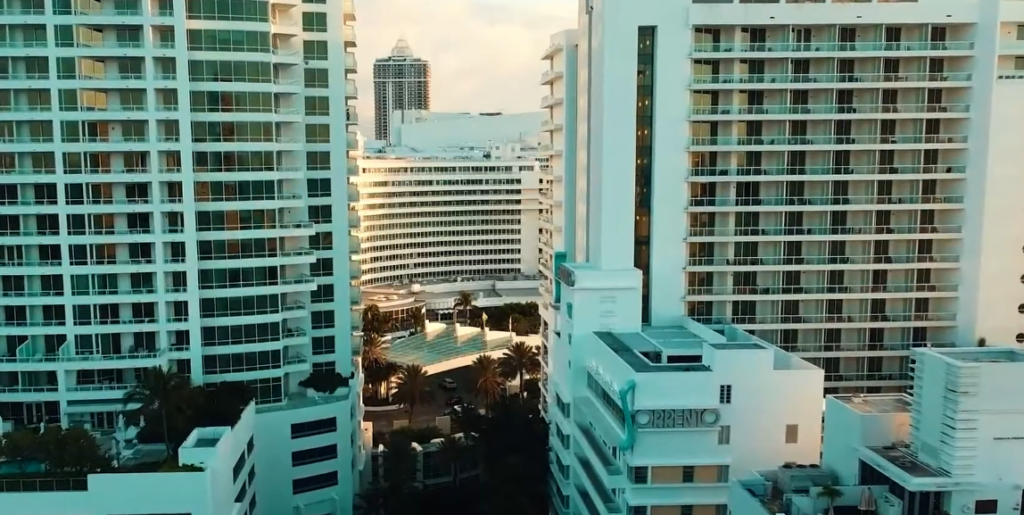
The six plaintiffs’ attorney, David Haber, has been direct about what he believes is going on. According to his interpretation, the rules are pressure tactics rather than operational modifications. “The clock is ticking,” he remarked, pointing out that his clients face the possibility of actual financial ruin. Before May 15th, he is requesting that a Miami-Dade judge grant an immediate injunction preventing the changes. He primarily relies on a 2012 settlement agreement that purportedly gave non-program owners the freedom to rent their apartments without hindrance, limitations, or charges from the hotel. The new regulations don’t just seem unfair; they might be outright unlawful if that agreement means what the plaintiffs claim it does.
Reading the lawsuit gives me the impression that this dispute has been developing for some time. The same fundamental accusations were made in a nearly identical lawsuit filed by a different group of Tresor and Sorrento owners back in January. When the March complaint arrived, that case was still pending in court. In response to the first lawsuit, Fontainebleau filed a motion to dismiss, claiming the owners lacked standing to enforce the 2012 agreements. If this legal argument is granted, it could undermine the main tenet of both lawsuits. As is customary, the hotel has refrained from making public comments regarding the ongoing legal proceedings, but this has left many questions unanswered in Miami.
Here, the larger context is important. Under billionaire Jeffrey Soffer, Fontainebleau Development has built an empire around this address over the years, aggressively defending its territory and growing the brand. The company filed a lawsuit against a number of brokerages last year for allegedly teaching condo owners how to list their properties on Airbnb and other websites outside the hotel’s rental pool, thereby assisting them in hiding unauthorized bookings. According to the lawsuit, the resort’s management sees independent rental activity as almost a threat, not just a business annoyance but a challenge to the property’s entire operational framework.
Fontainebleau may be tightening its regulations for justifiable operational reasons. The hotel brand wants consistency, the condo owners want flexibility, and those two things don’t always coexist peacefully, making mixed-use condo-hotel properties notoriously challenging to manage. Any management structure would be put to the test by overseeing 748 units spread across two towers, with hundreds of different owners making autonomous decisions about their properties. However, “operationally complicated” is not the same as “we can charge $1,000 a night for the privilege of not using our program,” and the lawsuit clearly draws that distinction.
The potential implications for the larger condo-hotel model make this case worth keeping an eye on outside of the immediate parties. These hybrid properties, where individual units serve as both hotel inventory and private real estate investments, are abundant in Miami Beach. Rarely are the regulations governing that relationship put to the test in such a public setting; they are typically buried in decades-old settlement agreements and condominium declarations. Every hotel-condo operator in South Florida would be sent a message if a Miami-Dade judge ruled in favor of the plaintiffs and issued the injunction: those old agreements have teeth, and the courts will enforce them. Owners in comparable circumstances throughout the market may find themselves in a far weaker position than they anticipated if the hotel wins.
The Tresor and Sorrento towers remain standing on Collins Avenue for the time being, their windows overlooking the ocean sparkling in the Miami sun. Most likely, none of this is known to the guests who are checking in. The lobby is magnificent, and the pool scene is just as promised. The Fontainebleau still feels and looks like the Fontainebleau. Above all, however, the anxiety is genuine and the deadline is drawing near in those condo units where individual owners have been silently observing the rule changes. May 15th is not too far off. According to Haber, time is running out.
