

Parents in both urban and suburban areas are increasingly choosing sunlight, soil, and the sky over fluorescent-lit classrooms. A new generation of parents who wish to raise emotionally stable, creative, and self-assured kids have found forest schools especially appealing. Their choice is strategic, not sentimental. They are opting for curiosity over conformity and resilience over routine.
Because they combine the flexibility of unstructured play with the nuanced supervision of experiential learning, forest schools are incredibly successful. Building a shelter teaches cooperation and creativity, while climbing a tree teaches balance and risk assessment. Because it lets kids fail safely, think deeply, and develop organically, this setting feels especially creative.
In contrast to traditional classrooms that use schedules and tests to gauge student progress, forest education emphasizes exploration. Teachers foster an environment of trust and independence by acting as facilitators rather than authorities. Children who struggle in inflexible systems have found this method especially helpful, as it fosters their curiosity rather than their competitive nature.
It’s a Scandinavian concept. Waldkindergartens, or Danish forest kindergartens, first appeared in the middle of the 20th century as workable solutions to the shortage of classroom space. However, the philosophy soon went beyond practical considerations. It honored the social, emotional, and sensory growth that nature alone could offer. Decades later, that same concept has emerged as a guiding principle for contemporary parents looking for equilibrium in an overly digital world.
Forest Schools – Key Information
| Field | Details |
|---|---|
| Concept | Forest Schools emphasize outdoor, nature-based learning driven by curiosity and exploration. |
| Educational Approach | Child-led, play-based, and experiential, focusing on emotional, physical, and cognitive growth. |
| Origin | First appeared in Scandinavia in the 1950s; spread to the UK and U.S. in later decades. |
| Philosophy | Encourages independence, resilience, and creativity through risk-taking and natural play. |
| Age Range | Commonly for preschool to primary-aged children, but expanding into older programs. |
| Benefits | Builds confidence, motor skills, problem-solving ability, and ecological awareness. |
| Structure | Sessions take place outdoors year-round, led by trained instructors or facilitators. |
| Skills Developed | Communication, teamwork, emotional regulation, fine and gross motor coordination. |
| Global Reach | Adopted in Europe, North America, Australia, and parts of Asia as an alternative education model. |
| Reference | Wonderschool – https://www.wonderschool.com/blog/family-resources/forest-schools |
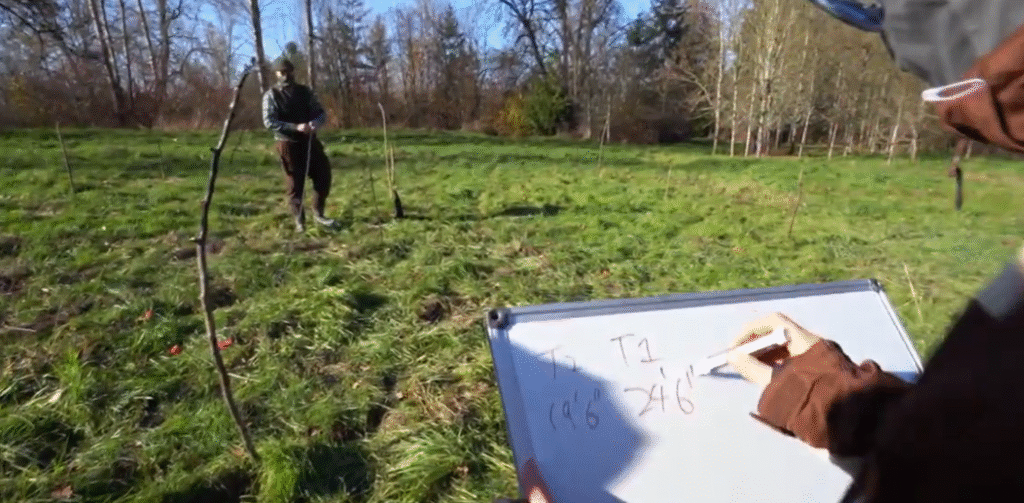
Parents of Generation Z and Millennials, who grew up with screens and organized activities, are now opposing what they see as overprotection. The idea that kids should get muddy, climb higher, and scrape knees appeals to them—not because it’s cute, but because it’s essential. This change is especially noticeable in urban areas, where families are now looking for programs like Little Earthlings Forest School and Forest Play School, which turn city parks into classrooms full of learning, collaboration, and laughter.
The Urban Cottage Educational Collaborative’s founder, Marissa Hess, noticed a startling trend: kids were becoming less coordinated. She remembers middle schoolers who couldn’t tie their shoes or cut with scissors. She was motivated to create forest play programs based on physical interaction and sensory exploration as a result of this sobering and catalytic realization. Since then, a growing network of educators who are committed to reviving play as a teaching tool has been motivated by her work.
The science underlying this change is very obvious. Focus, dexterity, and emotional control are all markedly enhanced by outdoor exploration, according to research published in the Journal of Sport and Health Sciences. Students who take part in forest programs return calmer, more focused, and noticeably more confident, according to teachers. Children who spend time in nature naturally reduce stress, which is beneficial in this age of excessive stimulation.
Additionally, parents view forest schools as an especially creative way to combat anxiety. These outdoor settings provide freedom and a sense of stability in light of growing worries about children’s mental health. The rhythm of nature, which includes hearing birds, feeling rain, and watching leaves fall, promotes awareness and presence. These encounters help children develop their emotional intelligence because they teach them empathy through real-world interactions with their surroundings rather than classroom instruction.
The resilience-focused philosophy of forest schools is encapsulated in their motto, “There’s no such thing as bad weather, only bad clothing.” It imparts flexibility, a valuable quality for life outside of the classroom. Learning to survive in mud, rain, and wind helps kids become accustomed to uncertainty, which has a direct impact on their emotional fortitude.
This model has been praised by both educators and celebrities. American actress Kristen Bell has promoted outdoor education as crucial for creativity and emotional control, while British naturalist Kate Humble has frequently highlighted how such programs foster empathy and awareness. A wider understanding that academic achievement is not the only indicator of a well-rounded child is reflected in their advocacy.
This movement has a particularly significant impact on society as a whole. Forest schools correspond with a resurgence of interest in sustainability as families adopt more environmentally conscious ways of living. They bring up a generation that engages with ecosystems and learns about them, forming habits that may impact environmental stewardship in the future.
Additionally, forest schools have emerged as surprisingly cost-effective options for families looking for high-quality education without undue stress. Many function as community-led cooperatives, in which parents actively engage in programs that promote shared responsibility and strengthen social bonds. The method is very effective in producing both emotional and educational results because of its participatory structure.
Data is starting to show that forest schools are not as academically rigorous as their detractors claim. Children who move from forest to traditional schools exhibit noticeably better focus, stronger language skills, and greater problem-solving abilities, according to studies from the UK Forest School Association. Returning to structured learning tends to accelerate their academic progress rather than cause them to fall behind.
The flexibility of this model is demonstrated by urban initiatives such as San Francisco’s Emerging Sprouts Forest School and Detroit’s CODE313 program. These projects show how adaptable the method is, even in tangible settings, by fusing science, art, mindfulness exercises, and nature-based learning.
Disclaimer
Nothing published on Creative Learning Guild — including news articles, legal news, lawsuit summaries, settlement guides, legal analysis, financial commentary, expert opinion, educational content, or any other material — constitutes legal advice, financial advice, investment advice, or professional counsel of any kind. All content on this website is provided strictly for informational, educational, and news reporting purposes only. Consult your legal or financial advisor before taking any step.
