

“What if I could get my money back?” was a fringe idea at first, something you might hear at a school café between sips of expensive coffee. Now, the idea of tuition reimbursements for students who are unhappy with their degrees has subtly started to transition from a cafeteria complaint to a proposed policy.
Universities have historically protected themselves with policy manuals and fine print. A reimbursement? That applied to facility closures, administrative mistakes, or early withdrawals. However, the argument is increasingly about unfulfilled expectations rather than missed lectures or broken promises. Students want to know if they will have to pay for the degree if it doesn’t match the brochure.
Since the epidemic compelled a digital shift, the question has become more pressing. Students at prestigious universities started to weigh the costs of Zoom fatigue as campuses closed and courses shifted online. More than 50 lawsuits were filed in the United States alone. The majority argued that there had been a breach of contract since students had paid for a collaborative, engaging experience rather than pre-recorded slides and malfunctioning Wi-Fi. Room-and-board credits were surreptitiously given out by several universities. Others refused to back down, pointing to their teaching staff’s incredible efforts and force majeure provisions.
Nevertheless, the seed was sown.
In the last ten years, more cautious students have turned higher education into an expensive wager. Degrees are now seen as costly obligations that demand return on investment rather than as holy rites of passage. Marketing departments promise clarity of purpose, effect, and connection. Students don’t merely whine when that promise is broken; they take action.
| Policy Feature | Description |
|---|---|
| Institution Type | Primarily UK and US universities |
| Refund Eligibility | Typically limited to early withdrawal or service failure |
| Emerging Trend | Some institutions exploring refunds for unmet student expectations |
| Legal Grounds | Consumer protection laws, breach of contract, unjust enrichment |
| Common Triggers | Course dissatisfaction, online-only delivery, administrative failures |
| External Oversight | Office of the Independent Adjudicator (UK), Class Action Suits (US) |
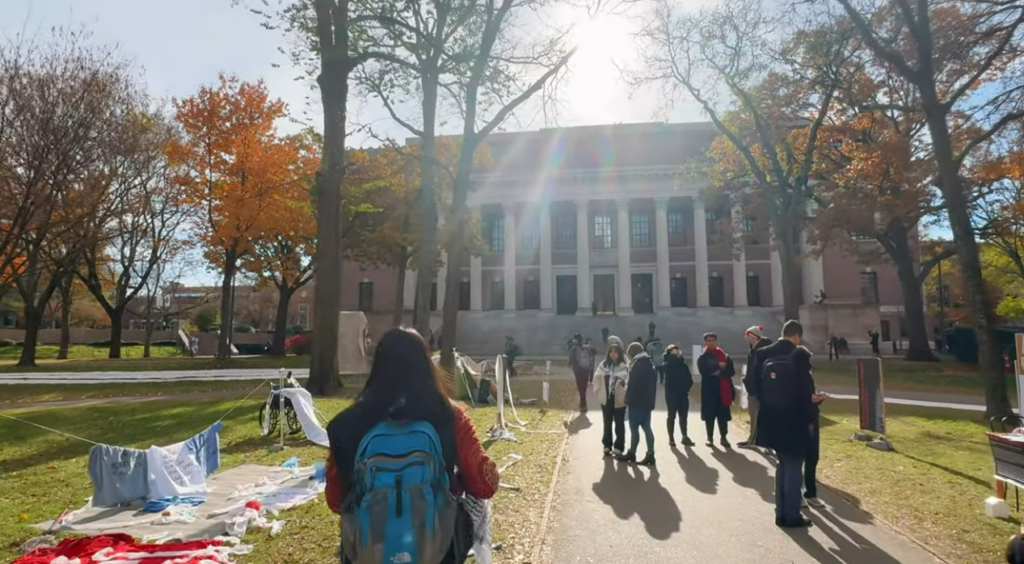
Tuition refund policies are still mostly conditional at universities like London South Bank University and others throughout the United Kingdom. Administrators, however, are trembling behind closed doors. Gen Z students in the United States have started utilizing coordinated pressure, social media campaigns, and legal instruments to force colleges to increase transparency and, in certain situations, provide partial financial assistance.
Many faculty members are still offended by the notion of a “satisfaction guarantee” in higher education. They contend that education is not a good that can be exchanged if it is disliked. It’s a procedure. A battle. A trip. Both the sentiment and the counterargument have merit. Students are taking on debt that could last for decades. Why shouldn’t accountability follow if a program is poorly designed, inconsistent, or doesn’t produce the desired results?
I heard a university director characterize refund requests as “an existential threat to our model” at a recent conference. His use of the word “existential” rather than “budgetary issue” or “legal risk” caught my attention. This discomfort betrays something more profound: an understanding that students are now active assessors of their experiences rather than passive consumers.
It’s interesting to note that certain institutions are adjusting instead of fighting. Some now have “try before you commit” programs, which reimburse students for their first semester if they leave before a predetermined deadline. Instead of wasted time, some are creating micro-credential systems that enable students to graduate with valuable qualifications. Universities are subtly admitting that lock-in is no longer acceptable by providing modular flexibility.
The effectiveness of these changing policies in indicating institutional responsiveness is astounding. Giving pupils a way out could paradoxically boost retention and trust. Refunds do not always result in large-scale departures. Rather, it reassures students that their grievances won’t be met with stone walls and that their issues will be heard.
Additionally, legal structures are growing. Students in the UK have the option to file complaints with the Office of the Independent Adjudicator if they believe their degree did not live up to expectations. Courts in the United States are starting to consider cases based on perceived inequalities in educational value and unjust enrichment. Expectations are changing as a result of the symbolic triumphs, even while results differ.
Students are creating a more equitable connection with schools by utilizing consumer protection law and litigation from the epidemic era. They are claiming the right to respect as well as the right to education.
The option of a refund can be very helpful for early-career learners, particularly those attempting to manage family pressure or professional uncertainties. Instead of feeling constrained by sunk costs and institutional inertia, it provides a financial buffer for making a change in direction toward something more rewarding.
Notably, detractors caution against the “Amazonification” of education. Academic rigor may suffer if every course is evaluated like a product review. However, this concern overlooks an important distinction: students are requesting alignment rather than perfection. Some kind of recompense appears not only reasonable but also long overdue if a degree drastically deviates from what was promised, such as if career services are discontinued, faculty members leave, or practical training is abandoned.
It has nothing to do with shopping. It has to do with credibility.
Remote and hybrid learning techniques have drastically altered the nature of higher education since the epidemic. New expectations about what a degree should provide are being brought in by students who log in from noisy apartments, rural communities, or improvised desks. Additionally, they are surprisingly clear about what is lacking.
Universities have the chance to respond to this moment with empathy rather than defensiveness through strategic reforms. It is not pandering to offer trial periods or explicit refund procedures. Creating institutions that represent the needs of the people they serve is the goal.
Accountability needs to keep up with the ongoing movement in education toward flexible, lifelong learning models. Not every program will work. Students won’t all succeed in their initial choice. However, if institutions are genuinely committed to change, they also need to make room for smooth departures and new beginnings.
After all, the most worthwhile system to invest in might be one that lets you shift your academic and financial direction.
Disclaimer
Nothing published on Creative Learning Guild — including news articles, legal news, lawsuit summaries, settlement guides, legal analysis, financial commentary, expert opinion, educational content, or any other material — constitutes legal advice, financial advice, investment advice, or professional counsel of any kind. All content on this website is provided strictly for informational, educational, and news reporting purposes only. Consult your legal or financial advisor before taking any step.
