

For more than a century, crayons have been manufactured in a building in Easton, Pennsylvania. The subtle scent of paraffin wax and pigment permeates the area around the factory, a detail that seems almost too obvious when writing about a business that has been subtly integrating itself into one of the more somber discussions in American education over the past few years. Most people outside of elementary school classrooms haven’t yet noticed that Crayola, the brand most adults associate with carpet stains and childhood birthday presents, has been doing something worth taking a closer look at.
It’s difficult to ignore the numbers. Over 13 million students from 122 countries participated in Crayola Creativity Week in 2025. That is not an impact statistic disguised as a marketing figure. That equates to 13 million kids working on creative projects during scheduled time in classrooms, libraries, community centers, and homes under the direction of lesson plans created by actual teachers. With almost 90,000 learning sites, the 2026 edition is already anticipating increased participation. To put things in perspective, that’s more reach than the majority of federally funded arts programs accomplish in ten years.
The texture of its construction is what distinguishes this from a standard corporate education play. Teachers were not given a promotional toolkit and instructed to make it work. Teachers requested the program, according to Crayola; instead of treating art as a stand-alone elective that is eliminated when funds are tight, they wanted something that celebrated creativity across subjects. The end product is a week of activities that purposefully incorporate literacy, STEAM, and social-emotional learning. Each daily block is created to fit within thirty minutes, meaning it was created by someone who has actually stood in front of a class and realized that time is a teacher’s most valuable resource.
The Art in Education Grants are a smaller but potentially more significant part of the story. Previously known under a different name, they now offer up to $2,500 in cash plus $1,000 in Crayola products. These grants are not intended for wealthy suburban districts with adequate funding for arts programs. They are affordable, competitive, and reaching schools without a dedicated ceramics studio, an arts coordinator, or a line item in the budget for anything more than the necessities. Maybe $3,500 in cash and supplies doesn’t seem like much until you see what a dedicated elementary school teacher can accomplish with it in a room that didn’t have anything before.
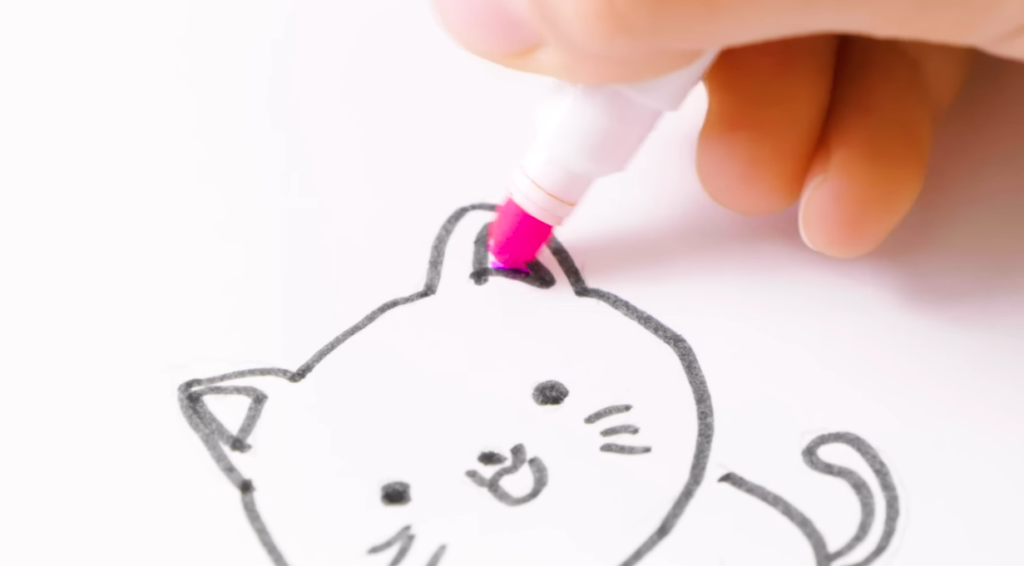
Crayola’s YouGov-commissioned research adds something worthwhile. According to the study, which polled more than 700 kids between the ages of six and twelve, 92% of them said that being creative makes them feel more confident. By itself, that finding is not shocking. However, the data also revealed that when faced with difficulties, children turn to creative thinking before giving up or seeking assistance. This suggests something about what regular creative practice actually adds to a child’s internal toolkit. It develops a kind of self-assurance that doesn’t shout itself out loud but consistently comes through when things get tough.
There’s a feeling that Crayola recognizes something that the larger discourse on education policy consistently fails to grasp: that classrooms, not conference rooms, are the best venues for promoting creativity in education. An 81% increase in students’ enthusiasm for learning and an 85% teacher-reported improvement in literacy support are not results from a controlled study, and they come from a business that clearly has an interest in the results. Here, skepticism makes sense. However, 97% of teachers who were surveyed said they would like to take part again, which is the kind of percentage that usually indicates true utility rather than kindness toward a sponsor.
This is furthered by the Ambassador Schools program, which was introduced in 2026. It chooses schools that have made creativity a key component of their operations and highlights their narratives as examples rather than anomalies. In the context of education reform, it’s a modest gesture, but it also shows that this isn’t just a yearly event with favorable press coverage. Something more resilient appears to be emerging.
As all of this develops, it’s difficult to ignore the fact that a company that produces colored wax sticks is currently the most steadfast supporter of creativity in K–12 education. That reveals something about the business. It conveys something about everyone else as well.
Disclaimer
Nothing published on Creative Learning Guild — including news articles, legal news, lawsuit summaries, settlement guides, legal analysis, financial commentary, expert opinion, educational content, or any other material — constitutes legal advice, financial advice, investment advice, or professional counsel of any kind. All content on this website is provided strictly for informational, educational, and news reporting purposes only. Consult your legal or financial advisor before taking any step.
