

The wealthier families in San Antonio have quietly grown accustomed to a certain kind of humiliation. After completing the application, sending in the portfolio, and making a few phone calls, they wait. Not for a spot at any of the better-funded private schools in the city, like Keystone or the San Antonio Academy. In a public program, they wait for a seat. One with no tuition fees. The San Antonio Independent School District is home to one. And one that rejects far more families than it takes in, depending on the year.
When the Advanced Learning Academy was founded in 2016, it was founded on the idea that all children, not just those whose parents could afford $20,000 a year in tuition, should have access to project-based, design-driven, truly creative education. This idea felt almost naively ambitious. It placed a strong emphasis on STEAM, design thinking, and maker culture, forming alliances with organizations like Trinity University and viewing robotics and innovative problem-solving as essential components of education rather than as extracurricular activities. There was an instant demand. Before the program’s first day of classes, there was reportedly a waitlist.
By 2019, there were about 10,000 applications for the approximately 2,930 available seats in SAISD’s larger network of choice and magnet programs. The figures at ALA and its cousins on the creative track were especially startling. In just the second year of operation, there were two applications for every available position; this ratio has only gotten more competitive since. Speaking with families who have gone through the lottery process seems to completely change their perspective on public education. Some people don’t think a district school could be worth this much work. Whether they were given a seat or not, the majority emerge as believers.
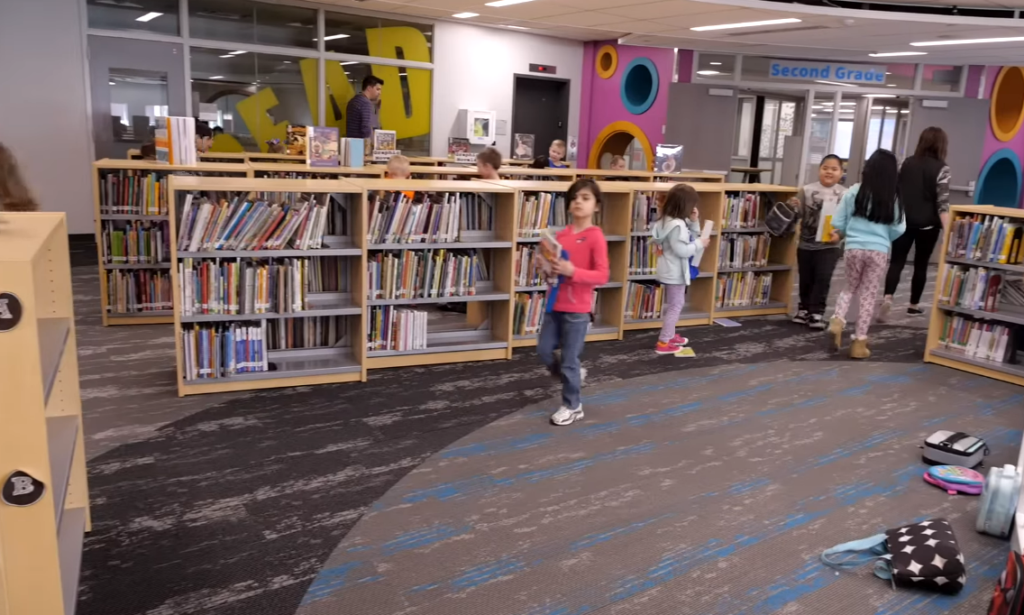
It’s worthwhile to consider what aspects of the program are compelling enough to create this level of pressure. With a similarly stringent enrollment ratio, CAST Tech is another highly sought-after program in the San Antonio ecosystem that emphasizes technology and entrepreneurial pathways. Because of their arts-integrated curricula, Wernli and Bonham academies attract large lottery volumes. All of these programs reject the notion that public education must be passive, uninspired, and standardized. The first thing you notice when you walk into a maker-focused classroom in this network is the noise—productive noise, the kind that comes from kids who are doing something instead of just taking in information.
Here, the larger national context is important. Parents in American cities have been reconsidering the purpose of education, especially since the pandemic upended all preconceived notions about educational settings. Applications for private schools have reached all-time highs in places like New York, in part due to concerns about public systems. A different possible response is suggested by San Antonio’s experience: public schools that are genuinely innovative in their pedagogy have the potential to pull families back—and pull them hard. In a peculiar way, the waiting list functions as a sort of market signal.
This does not imply that there is no friction in the system. Even though lottery-based admissions are designed to be fair, they still raise concerns. Families are still at a disadvantage if they lack information, flexibility, or time to complete the application process. It is significant that the programs serve students who are 82% minority and more than half economically disadvantaged, but it is still unclear if the lottery structure actually reaches the families who might benefit most or if it just draws the most motivated applicants from all backgrounds.
The proof of concept is more difficult to refute. In San Antonio, a public maker education program has become genuinely rare. The way elite private schools create exclusivity through endowments and legacy admissions is not artificially scarce. scarce since the supply hasn’t kept up with the actual demand. Seeing this unfold year after year gives the impression that the city is perched on something it hasn’t fully decided to scale. The waitlist continues to expand. The issue of what to do about it continues to be postponed. And every spring, a fresh group of San Antonio families wait by their phones in the hopes of getting into a public school that has inexplicably become the most difficult to get into in the city.
Disclaimer
Nothing published on Creative Learning Guild — including news articles, legal news, lawsuit summaries, settlement guides, legal analysis, financial commentary, expert opinion, educational content, or any other material — constitutes legal advice, financial advice, investment advice, or professional counsel of any kind. All content on this website is provided strictly for informational, educational, and news reporting purposes only. Consult your legal or financial advisor before taking any step.
