

If you haven’t been near the Dalal Street trading floor in Mumbai on any given Tuesday morning, it’s difficult to describe the unique tension that exists there. The conversations take place in quiet, quick bursts, the screens glow, and the numbers change every few seconds. On April 7, 2026, that energy significantly increased. The Sensex began the day down 744 points. The Nifty fell below 22,800. After that, both indices recovered nearly everything and more over the course of the following few hours. This type of session leaves retail investors feeling both relieved and perplexed, while seasoned traders are a little worn out.
The immediate cause was sufficiently known. With President Trump’s most recent deadline for Iran looming over the Tuesday session like a weather system everyone could see coming but couldn’t quite predict, markets throughout Asia were uneasy about the evolving situation around the Strait of Hormuz. WTI was moving toward $114, while Brent crude was holding between $110 and $111 per barrel. These figures have direct implications for the rupee, corporate margins, inflation, and ultimately the type of consumption data that drives a significant portion of the Nifty’s constituents in an oil-importing economy like India. The gap-down opening was not unexpected. It nearly made sense.
The recuperation was intriguing. The Sensex turned sharply from its lows by midday, and according to several accounts, the intraday swing from trough to partial recovery was more than 1,800 points. IT stocks led the way, with Wipro rising more than 3%, TCS gaining more than 2%, and Tech Mahindra and HCL Technologies finding buyers. Though tentative, the reasoning goes something like this: technology firms with dollar-denominated revenue and relatively light physical supply chains begin to appear more defendable than they did on Friday in a world where energy costs are high and geopolitical noise is loud. At least that’s what investors seem to think. It remains to be seen if the thesis holds up during earnings season.
ue in part to JPMorgan upgrading Vedanta and Hindalco to Buy and increasing its aluminum price forecast for FY27, the metal industry joined IT in the green. There’s a logic to it as well: energy and shipping route disruptions tend to keep commodity prices high, and the energy-intensive nature of aluminum production means that supply constraints elsewhere can help Indian producers. During the session, Hindalco increased by more than 3%. Even though the environment that gave rise to these movements is uncomfortable, they are real.
| Category | Details |
|---|---|
| Index 1 | S&P BSE Sensex (Bombay Stock Exchange) |
| Index 2 | Nifty 50 (National Stock Exchange of India) |
| Sensex Composition | 30 largest and most liquid companies on BSE |
| Nifty Composition | 50 largest and most actively traded companies on NSE |
| Exchange Regulator | SEBI (Securities and Exchange Board of India) |
| BSE Location | Dalal Street, Mumbai, Maharashtra, India |
| NSE Location | Bandra-Kurla Complex, Mumbai, Maharashtra, India |
| Sensex Close (April 6, 2026) | 74,106.85 (+787.30 / +1.07%) |
| Nifty Close (April 6, 2026) | 22,968.25 (+255.15 / +1.12%) |
| Sensex Open (April 7, 2026) | 73,734.36 (gap-down from previous close) |
| Nifty Open (April 7, 2026) | 22,838.70 |
| India VIX (April 6 close) | 25.47 (-0.2%) |
| Indian Rupee | ₹93.06 per USD (recovered 215 paise from lifetime low) |
| Brent Crude (April 7) | ~$110–$111 per barrel |
| FII Activity | Sold ₹8,167 crore on April 6 — 24th consecutive day of selling |
| DII Activity | Bought ₹8,089 crore — 26th consecutive day of buying |
| Upcoming Event | RBI Monetary Policy Committee (MPC) outcome — April 8, 2026 |
| Reference Links | NSE India – Live Market Data / BSE Sensex – Economic Times Markets |
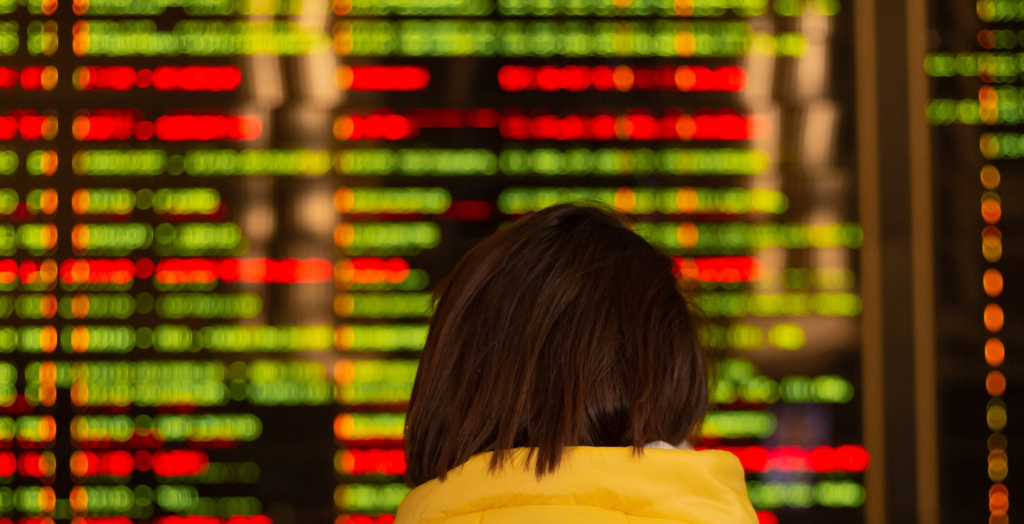
Observing these figures on a daily basis gives one the impression that the Indian market is experiencing something longer-lasting than a normal correction. Over ₹8,167 crore was sold on April 6 alone by foreign institutional investors, who have now sold for 24 straight sessions. That is a substantial and protracted withdrawal, not something that can be resolved in a few days of rebounding headlines. FIIs last sold for this many consecutive sessions in November 2024, and that streak eventually extended to 38 days. The majority of that selling has been absorbed by domestic institutional investors, who have been purchasing for 26 consecutive sessions, directing the flow from systematic investment plans and insurance mandates that continue to enter the market despite noise from around the world. There is a significant structural shift from the way Indian markets operated ten years ago. However, a healthy market is not the same as DIIs absorbing FII selling. It resembles a controlled descent with sporadic lurches upward.
At 25, the India VIX is worth taking a look at. A reading in the mid-20s indicates that traders are pricing in more significant moves in both directions. This is the market’s implied volatility measure, also known as the fear gauge. Not terrified, but also not at ease. Somewhere in the awkward middle. The rupee has recovered 215 paise from its lifetime low to ₹93.06 to the dollar, which is noteworthy. However, the recovery has been slow and brittle enough that any new increase in oil prices could easily cause it to fall once more.
In spite of this, the RBI Monetary Policy Committee was supposed to make its decision public on April 8. The timing is almost theatrical: a central bank decision is made in the midst of a geopolitical crisis, with oil-related inflation pressures, a depreciating currency, and equity markets that are unsure of their course. More than anything else, investors anticipated cautious positioning going into Tuesday. In this situation, buying ahead of an MPC result necessitates a certain level of confidence that most traders weren’t prepared to fully commit to.
Within the larger chaos, individual stocks told their own stories. As a reminder that consumer-facing businesses with robust expansion pipelines can still find buyers when enough else is uncertain, Trent, the Tata retail division behind Westside, saw a nearly 8% increase on Monday and continued its momentum into Tuesday. Due to a combination of high crude input prices and general risk aversion regarding its energy exposure, Reliance Industries fell 3.4% on the same day. Domino’s franchisee Jubilant FoodWorks saw a 10% decline following a mixed quarterly report. In one session, Axis Bank reported gains exceeding 3.9%, but the following session saw profit-taking. The market is rewarding clarity—companies with clear narratives and observable growth—while penalizing anything that needs a complex story to defend at current valuations. This sectoral rotation is real and happening quickly.
The Sensex and Nifty’s future is largely dependent on factors that are beyond the scope of domestic analysis. Whatever happens with the Iran situation before or on Tuesday night will affect oil prices. The near-term rate expectations will be determined by the tone of the RBI on Wednesday. The domestic institutional support that has kept the market stable will continue to be put to the test until the FII selling streak ends. Although India’s economic fundamentals—such as the recovery of the rupee, consumption data, and the dollar earnings of the IT sector—remain strong, no market is shielded from the kind of worldwide noise that is currently present in the system. The upcoming sessions will be unpredictable. At least that seems certain.
Disclaimer
Nothing published on Creative Learning Guild — including news articles, legal news, lawsuit summaries, settlement guides, legal analysis, financial commentary, expert opinion, educational content, or any other material — constitutes legal advice, financial advice, investment advice, or professional counsel of any kind. All content on this website is provided strictly for informational, educational, and news reporting purposes only. Consult your legal or financial advisor before taking any step.
