

Just before Kanye West takes the stage, a certain kind of silence descends upon a packed stadium. Last week, it took place at SoFi Stadium in Los Angeles, where a crowd that had been unsure of how to react to him for years showed up despite holding their breath. Tens of thousands of people bought tickets despite knowing the whole story. People are still drawn to the music despite everything else that has happened, which is quite a bit.
Kanye West, now legally known as Ye, currently resides in this tension between the art and the artist, between a catalog that truly changed the direction of popular music and a public record that is now nearly impossible to defend. At the age of 48, he is releasing new music, attracting large audiences, and creating the kind of institutional backlash that most performers never endure. Pepsi and Diageo withdrew their sponsorships within hours of each other in April 2026 after he was booked as the main act for the three nights of London’s Wireless Festival. The booking was described by the prime minister of the United Kingdom as “deeply concerning.” The Liberal Democrats’ leader demanded that West not be allowed to enter the nation at all.
| Full Name | Ye (formerly Kanye Omari West) |
|---|---|
| Date of Birth | June 8, 1977 |
| Place of Birth | Atlanta, Georgia, USA |
| Occupation | Rapper, record producer, songwriter, fashion designer |
| Education | Chicago State University; American Academy of Art |
| Spouse(s) | Kim Kardashian (m. 2014–2022); Bianca Censori (m. 2022) |
| Children | 4 (North, Saint, Chicago, Psalm) |
| Grammy Awards | 24 wins (13th most in Grammy history) |
| Records Sold | Approximately 160 million worldwide |
| Latest Album | Bully (2026) |
| Current Controversy | Barred from Australia; Wireless Festival sponsorship collapse; UK PM criticism |
| Reference Links | Wikipedia — Kanye West / BBC News — Wireless Festival Coverage |
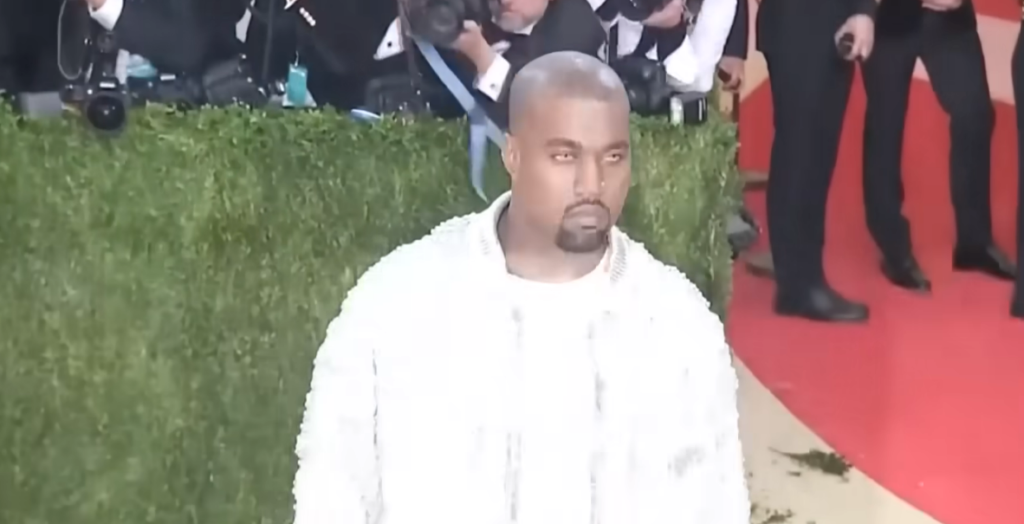
It’s important to consider the true implications of Wireless losing Pepsi. The festival was advertised as “Pepsi presents Wireless.” That is the name on the door, not a footnote sponsor. Captain Morgan and Johnnie Walker were part of Diageo’s retreat. The partner details page was removed from the festival’s website as of Sunday night this week, and its place was replaced with an error message that said, “There’s nothing to see here.” As a metaphor for the current state of affairs, that picture—a blank page where the sponsors once were—feels almost too obvious.
The backlash’s causes are neither recent nor insignificant. West has made remarks and done things that put him in a completely different category in the years since his last performance in the UK, which was at Glastonbury in 2015, when the main point of contention was whether or not a rapper should headline the event. A post with a Star of David and a Swastika. A Super Bowl commercial that points viewers to a website offering T-shirts with the Swastika logo. The song is called “Heil Hitler.” a claim that he was a Nazi that was later withdrawn. Last year, the Hitler song prevented him from entering Australia. Following the collapse of his Adidas partnership, which had made him a billionaire through the Yeezy line, the company donated over $150 million to anti-hate groups.
West apologized in a full-page ad published in the Wall Street Journal in January 2026. He wrote, “I am not a Nazi or an antisemite.” He described a period of psychotic and paranoid behavior motivated by his bipolar-1 disorder, attributing his actions to a four-month manic episode in early 2025. “I lost touch with reality,” he wrote. “The longer I ignored the issue, the worse things got. I really regret the things I said and did. He expressed regret to the Black community as well. He had a private meeting with a rabbi in November 2025 to apologize.
People’s answers to the question of whether any of that is adequate vary, and it’s not an easy one. Mental illness is real, and West has been candid about his bipolar disorder for years. It has been evident in his music, interviews, and difficult-to-watch public moments. However, the content in question was much more than just unpredictable behavior. Selling goods bearing the Swastika is regarded as a commercial activity. A Super Bowl commercial is a scheduled event. The difference between “manic episode” and “intentional antisemitic content strategy” is still being measured.
The catalog is what adds a particular musical complexity to all of this. The College Dropout. late enrollment. graduation. My lovely, twisted, dark fantasy. Heartbreak and 808s, which effectively created a new generation of sound. Rappers’ perspectives on vulnerability, producers’ perspectives on hip-hop, and the industry’s perception of what a solo album could be were all altered by albums that did more than just sell. 24 Grammy victories. 160 million records. When Lauryn Hill finally joined him onstage at SoFi Stadium last week to perform “All Falls Down” together—a song that West had wanted her on back in 2004 when the sample from her own song wasn’t cleared—the moment landed hard for a reason unrelated to controversy. In front of an audience that understood every word, a collaboration that had been ongoing for twenty years finally came to fruition.
Bully, his latest album, debuted at number two on the Billboard charts. Three of its songs have made it into the top 100 singles in the UK. There is still no audience for the music. Even as Wireless searches for sponsors and British politicians argue over whether or not he should be permitted entry into the nation at all, that audience continues to show up. It’s genuinely unclear what any of this turns into, including whether the apology is valid, whether the UK shows take place, and whether the comeback has sufficient structural support to endure. Observing from a distance gives the impression that a significant decision regarding the boundary between artistic legacy and public responsibility is currently being made, and that Kanye West, as usual, is at the center of it without anyone having really planned for him to be there.
Disclaimer
Nothing published on Creative Learning Guild — including news articles, legal news, lawsuit summaries, settlement guides, legal analysis, financial commentary, expert opinion, educational content, or any other material — constitutes legal advice, financial advice, investment advice, or professional counsel of any kind. All content on this website is provided strictly for informational, educational, and news reporting purposes only. Consult your legal or financial advisor before taking any step.
