

After watching Dhurandhar: The Revenge, a scene isn’t the first thing that comes to mind. It’s a sort of sound. Not actual noise, though there is a lot of it, but rather the impression of a movie that doesn’t stop even after the credits have rolled. There was a feeling that the audience wasn’t merely watching a movie while seated in a crowded theater on opening night, somewhere between the smell of popcorn and the hum of overworked air conditioning. They were putting up with it. Or perhaps giving in to it.
The film, which is directed by Aditya Dhar, begins in the wake of a power vacuum caused by the passing of a crime lord known only as Dakait. What comes next is more of a chain reaction than a conventional story. Loyalty erodes, alliances fall apart, and violence is a constant rather than an unexpected occurrence. The movie might not even be attempting to tell a clear narrative. Rather, it appears to be pursuing something more chaotic and messy.
| Category | Details |
|---|---|
| Film Title | Dhurandhar: The Revenge |
| Release Date | March 19, 2026 |
| Director | Aditya Dhar |
| Lead Actor | Ranveer Singh |
| Genre | Action / Spy Thriller |
| Runtime | 3h 55m |
| Languages | Hindi, Telugu, Tamil, Kannada, Malayalam |
| IMDb Rating | 8.7/10 |
| Rotten Tomatoes | 96% |
| Opening Day Collection | ₹146 crore (India, incl. previews) |
| Worldwide Opening | ₹236+ crore |
Reference Links:
Dhurandhar: The Revenge on Wikipedia
Dhurandhar: The Revenge on IMDb
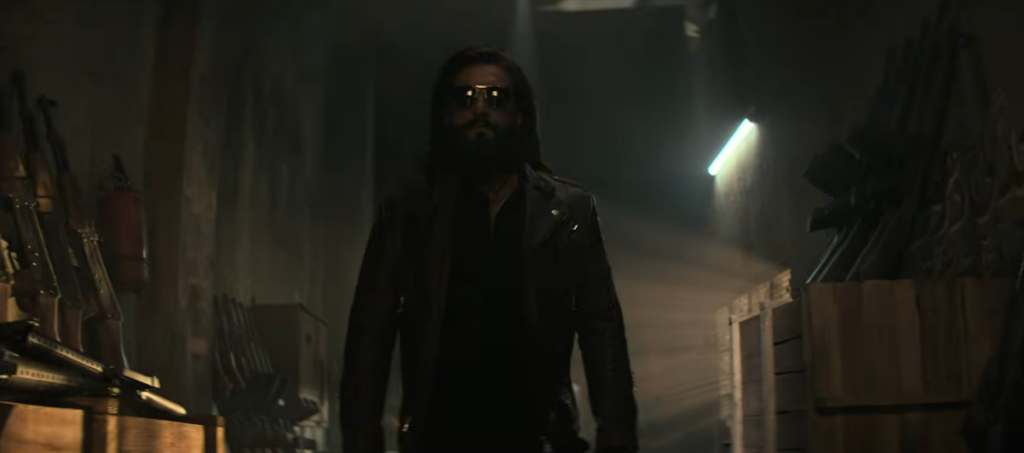
In the role of Jaskirat Singh Rangi, who goes on to become Hamza Ali Mazari, Ranveer Singh burns through the screen rather than acting. His performance has a physicality that almost seems excessive, as if he’s always going above and beyond what the role calls for. Sometimes it works flawlessly. There is a glimpse of something more controlled, even vulnerable, during quieter moments, which are uncommon but noticeable. Whether the movie has enough faith in those moments is still up for debate.
The scene alternates between Pakistan and India, but it rarely feels serene or observational. The streets are congested, poorly lit, and frequently teeming with activity: cars idling, men pacing, and half-whispered conversations. One specific scene that takes place in the underbelly of Karachi feels more like controlled panic than choreography. As you watch it, you get the impression that the movie thrives in chaos.
The runtime is another factor. Almost four hours. It’s difficult to ignore the weight of it, particularly in the last act when exhaustion starts to set in for both the audience and possibly the movie itself. Conflicts frequently intensify, scenes go on longer than anticipated, and the question of whether it’s all necessary lingers. However, that excess also appears to be intentional. Almost rebellious.
The tone of the movie is more difficult to describe. There are times when it seems more introspective, even critical, and times when it feels intensely nationalistic, almost like propaganda. Though the outcome isn’t always smooth, it’s possible that Dhar is trying to balance both. It seems to energize some viewers. Conversations heard later in the lobby suggest that others are uncomfortable.
On the other hand, the box office figures provide more insight. The movie has already established itself as one of the biggest releases in recent memory, with an opening that exceeded ₹146 crore in India and over ₹236 crore globally. Crowds gathered late into the night outside theaters in Delhi and Mumbai, recording reactions and debating scenes with their phones out. There’s a feeling that the movie has evolved from a work of entertainment to an event.
It’s difficult to avoid drawing comparisons to past Bollywood moments when movies like Jawan and Pathaan made comparable waves. However, Dhurandhar: The Revenge has a distinct vibe. Maybe less polished. more combative. There is a readiness to push limits, even if doing so results in a loss of coherence.
Here, music also has an odd function. The song “Jaiye Sajana,” which has quietly gone viral, provides a rare break from the film’s fast-paced narrative. There was a discernible change when the audience heard it in the theater; they leaned back, seemingly appreciative of a brief period of peace. It serves as a reminder that there is still an effort at emotional connection beneath all the action.
As this develops, there’s a persistent doubt about the movie’s final goal. A political declaration? A show? Beneath layers of ambition and gunfire, a character study? All of those could be the cause. or none of them at all.
One thing that is certain is that Dhurandhar: The Revenge doesn’t care about nuance. It advances with a sort of unyielding assurance, building in intensity and challenging the audience to keep up. And it appears to be effective for a lot of people.
Disclaimer
Nothing published on Creative Learning Guild — including news articles, legal news, lawsuit summaries, settlement guides, legal analysis, financial commentary, expert opinion, educational content, or any other material — constitutes legal advice, financial advice, investment advice, or professional counsel of any kind. All content on this website is provided strictly for informational, educational, and news reporting purposes only. Consult your legal or financial advisor before taking any step.
