

When the Middle East is in disarray, oil futures seldom move silently. This week was no different. Reports that tanker traffic through the Strait of Hormuz had slowed and that Iranian officials were threatening more retaliation caused screens to light up in New York before sunrise, with green numbers sharply rising.
For a brief period, WTI crude rose more than 8% and approached $73 per barrel. Brent increased to nearly $80. Prices were even higher earlier in the session, rising by more than 12% before somewhat declining. That decline felt more like traders pausing and recalculating their exposure while the headlines kept coming in than a return to calm.
| Contract | WTI Crude Oil Futures (CL) |
|---|---|
| Exchange | New York Mercantile Exchange (NYMEX), part of CME Group |
| Current Price (approx.) | $72–73 per barrel |
| Global Benchmark | Brent Crude (ICE Futures Europe) |
| Contract Size | 1,000 barrels per contract |
| Open Interest | ~313,000 contracts |
| 52-Week Range | $54.98 – $78.40 |
| Key Transit Route | Strait of Hormuz (handles ~1/3 of seaborne oil trade) |
| Major Producers Affected | Iran, Saudi Arabia, Iraq, UAE |
| Official Market Information | https://www.cmegroup.com |
| Live Market Quotes | https://www.cnbc.com/energy |
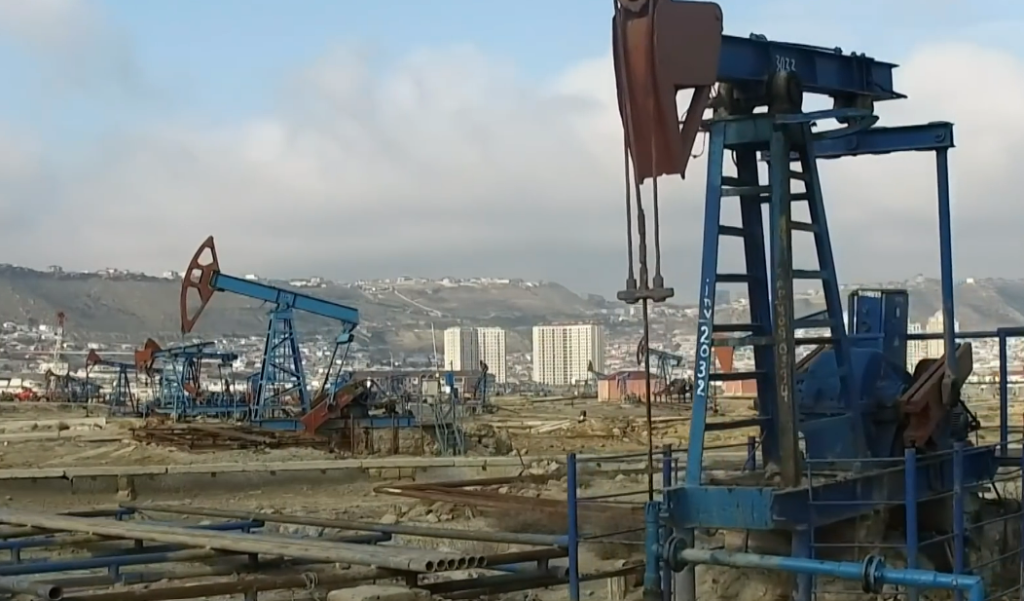
Markets appear to be repricing risk rather than panicking. Despite being contracts based on expectation rather than emotion, oil futures respond to emotion more quickly than nearly any other asset. Pricing models shift rapidly when a narrow waterway that handles about 14 million barrels per day suddenly appears vulnerable.
The industrial rhythm outside a refinery in Port Arthur, Texas, hasn’t changed. Against a pale sky, stacks of smoke rise steadily. As usual, trucks roll in and out. However, volatility is increasing, margins are expanding, and energy desks are unexpectedly busier than they were a week ago in trading rooms from Chicago to Singapore.
A portion of this surge might be preventative. a premium for geopolitics added to the fundamentals already in place. OPEC+ output adjustments have been measured rather than drastic, and U.S. production is still strong. There isn’t a sudden shortage of inventory. However, oil markets almost never wait for shortages to occur. For fear of being disturbed, they move on.
It’s difficult to ignore how reflexive it feels to watch the price chart move upward in real time. As crude rose, stocks fell. The value of the dollar increased. There was pressure on emerging market currencies, especially those that relied on imported energy. Oil futures affect all aspects of inflation, trade balances, and consumer confidence; they don’t function in a vacuum.
The political undercurrent is another. Washington’s public statements implied that military operations would go on until goals were achieved. Negotiations were rejected by Iranian officials. Crews reportedly hesitated before entering disputed waters as shipping companies held ships back. Near-term contracts rose above longer-dated ones as each update influenced the futures curve.
In the past, when the immediate threat subsides, oil spikes associated with geopolitical shocks usually subside. There have been multiple instances of that pattern. Markets frequently settle into a smaller range following sharp initial surges. However, it is still unclear if that script will be followed in this episode.
There has always been more to the Strait of Hormuz than just a geographical chokepoint. It’s a lever of psychology. Markets respond as though the whole energy system is holding its breath when it looks threatened. That corridor handles about one-third of the world’s maritime oil trade. Just that statistic is significant.
Some analysts are publicly speculating that if the disruption persists, oil prices could reach $100. In more severe cases, some have even floated $120. That may sound alarmist and dramatic. However, when the market was plagued by supply uncertainty in 2022, prices did rise above $120. The memories of energy traders are long.
Nevertheless, there is a sense of skepticism. Investors appear to think that the worst-case scenarios will remain hypothetical, that diplomatic channels may reopen, and that tanker traffic may resume. Despite their volatility, oil futures have not yet surpassed their highs from the previous year. That restraint seems purposeful.
Commodity markets are susceptible to self-feeding momentum. The move is reinforced by rising prices, which draw speculative capital. However, they also push producers to hedge, which stabilizes revenue and locks in higher selling prices. The futures curve is tense as a result of that push and pull, which shapes not only the price today but also expectations for the coming months.
The effect lags but seldom goes away for consumers. Fuel hedges are reviewed by airlines. Logistics firms update their cost estimates. Even drivers who don’t follow futures quotes notice the gradual increase in pump prices at local gas stations, which eventually follow the upward trend of crude.
It seems as though oil is once again emerging as a gauge of world stability. Energy prices start to dominate central bank policy, inflation statistics, and even election-year politics. Interest rate and consumer spending discussions change when crude prices spike.
The most remarkable thing about watching this happen is how rapidly sentiment changes. Traders were discussing demand softness linked to slower global growth just a few weeks ago. These days, supply shock and maritime security are the main topics of discussion. The change seems sudden, but it might be inevitable.
Although few traders ever see a drop of physical crude, oil futures are still essentially a bet on delivery, with 1,000 barrels per contract. Instead, they deal in probability. likelihood of a conflict getting worse. likelihood of a supply disruption. De-escalation probability.
That probability distribution is currently skewed in favor of caution. Decisions made away from trading screens, in conference rooms, military command centers, and diplomatic backchannels, will determine whether it tilts further.
Markets are immoral. They don’t consider justification or fairness. Transmission channels are priced by them. And the reaction is quick and occasionally unnerving when that channel passes through oil.
Disclaimer
Nothing published on Creative Learning Guild — including news articles, legal news, lawsuit summaries, settlement guides, legal analysis, financial commentary, expert opinion, educational content, or any other material — constitutes legal advice, financial advice, investment advice, or professional counsel of any kind. All content on this website is provided strictly for informational, educational, and news reporting purposes only. Consult your legal or financial advisor before taking any step.
