

The east coast of Florida experienced an unexpected chill on the morning of January 28, 1986. As the sun slowly rose over the launch pad, it illuminated a shuttle that seemed ready, but behind its surface, there was doubt. Engineers had raised worries about rubber seals and freezing temperatures—the kind of seemingly insignificant problem that can have disastrous consequences if left unchecked.
The purpose of the rubber seals, called O-rings, was to create a tight seal between rocket pieces by rapidly expanding upon ignition. However, the frigid temperatures that morning hardened them, making them much less effective. Before launch, the evidence was blatantly obvious, but no one took immediate action. There were meetings. There were charts displayed. Possibly too cautiously, doubts were voiced.
Challenger’s engines roared in unison as it launched into a clear blue sky at 11:38 a.m. Millions of students, journalists, and families watched with pleasure, particularly thrilled to see Christa McAuliffe, a teacher, on board. The mission carried the aspirations of schools across the country, and her presence represented promise.
| Item | Details |
|---|---|
| Event | Space Shuttle Challenger disaster |
| Date | January 28, 1986 |
| Location | Kennedy Space Center, Florida |
| Casualties | Seven crew members |
| Immediate Cause | Failure of O‑ring seals in right solid rocket booster |
| Contributing Factors | Cold weather, ignored engineering warnings, management pressure |
| Investigation | Rogers Commission |
| Reference | https://www.nasa.gov/history/rogersrep |
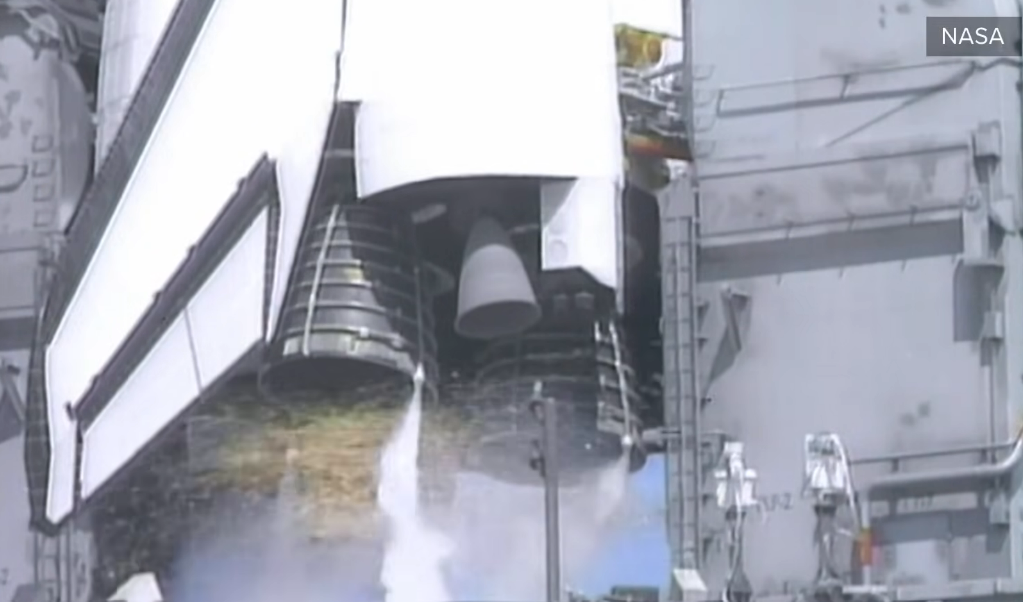
The right booster suddenly exploded in flames 73 seconds into the flight. At first, the fire was hardly noticeable, but like a welder’s torch, it broke through the external tank. In flight, the vehicle broke apart, its parts spinning into plumes that many believed were part of the design. However, there was no stage split. In actual time, it was a disaster.
The results of the subsequent investigation, which was headed by the Rogers Commission, were remarkably unambiguous. The O-rings had been damaged by the cold. NASA representatives had received a warning. Nevertheless, the launch went ahead. It was a breakdown in accountability, communication, and risk management rather than a technical malfunction.
I’ve read the investigation’s transcripts again over the years, and one engineer’s statement has stuck with me: “We just didn’t push hard enough.” That statement reflected a deeper truth: we frequently undervalue the impact of quiet, particularly when it masks fear.
There was a lot of pressure on NASA at the time. Every launch was expected to be successful both financially and politically. The shuttle program was presented as standard—a safe route to space. However, despite its persuasiveness, that frame concealed actual frailty. Even a two-inch rubber ring has the power to take lives, making spacecraft launch a very complicated task.
Christa McAuliffe wasn’t trained to be an astronaut. She was a teacher who was selected to inspire future generations and humanize space travel. Her passing was especially felt. Once-exciting classrooms fell silent. Millions of young viewers, her peers, and her students all attempted to comprehend what they had just witnessed. There was a huge emotional backlash.
Nevertheless, tragedy gave rise to rebirth. Future missions benefited greatly from NASA’s post-Challenger improvements. More power to postpone launches was granted to engineers. The design of the booster was greatly enhanced. Processes for making decisions became more open. Even though these adjustments were long overdue, they were a humble and educational reaction.
By prioritizing prudence over rhythm, the organization started to change. Going wiser was more important than simply returning to space. Shuttle missions were much safer with the introduction of temperature standards and pre-launch protections in later launches.
Memories of the blast persisted throughout years. They changed. Challenger served as a reminder to many that growth isn’t linear. It is loaded with failures and molded by our reactions to them. Like humans, institutions develop when they own up to their mistakes and start over with integrity.
It’s also important to note how many of the adjustments spurred by Challenger influenced subsequent aerospace initiatives. NASA wasn’t the only organization that learned these lessons. They were used by engineers creating airplanes, hospitals managing emergency procedures, and software developers incorporating fail-safes into their systems. Challenger turned into a case study about responsibility and the price of ignoring difficult facts.
Systems that actually listen are becoming more and more necessary as technology advances and complexity increases. People must be heard without filters or delays when they speak up, especially those who are closest to the design, the data, or the specifics. If we don’t, we run the risk of making the same mistakes that ought to have been retired forever.
Thinking back on Challenger now, over forty years later, makes the recollection seem less like a tragedy that has been lost to time and more like a constant reminder. We respect the crew by moving forward, not only by reflecting on the past.
The positive lesson is that we can find momentum even when we are losing. We create better frameworks despite failure. There is more to Challenger’s legacy than just what went wrong. It also has to do with what we ultimately got right.
