

They weren’t kidding when a student once remarked that their dorm was hotter than the library’s servers. The building’s interior temperatures rose above 36°C when central cooling failed during an exceptionally severe August. Nearby stores sold out of fans. Study sessions were held outside. Deadlines were modified by faculty. For the campus facilities crew, that difficult week turned into a turning moment.
It made clear what glossy brochures fail to point out: many campuses were not designed for the current climate.
College construction served as a status symbol for generations. Imagine sun-drenched atriums, stone colonnades, and concrete quads that are more forgiving than cozy. The discussion is now changing, subtly but firmly. Campus architecture has evolved beyond heritage. It has to do with perseverance. And occasionally, survival.
A timber-framed classroom facility powered by rooftop solar and geothermal loops was just completed by an engineering school in Scandinavia. Windows cross-ventilate in the summer, while radiant flooring keep warm in the winter. The design was modest and incredibly effective, and it was surprisingly reasonably priced and incredibly sturdy. The campus planner claims that the structure wasn’t intended to be visually striking. She stated matter-of-factly, “We simply needed something that wouldn’t shut down when the temperature hits extremes.”
That pragmatism is becoming more popular.
Recurrent floods have pushed South Asian institutions to completely rethink their construction during the last ten years. Some campuses have implemented modular buildings that are supported by bamboo pontoons and rise and fall in response to water levels, drawing inspiration from Marina Tabassum’s award-winning floating residences in Bangladesh. Although it may have sounded strange at first, this idea now seems especially creative and incredibly helpful.
In the meanwhile, Rotterdam has made its public areas into educational resources. During storms, a square that university students often use also serves as a rainwater basin. It serves as a sanctuary for skateboarders while it’s dry and keeps streets from flooding when it rains. It just works; it doesn’t lecture. Infrastructure develops into a curriculum unto itself.
| Name | Stefano Boeri |
|---|---|
| Profession | Architect and Urban Planner |
| Known For | Climate-responsive architecture and vertical greenery |
| Notable Projects | Bosco Verticale, Milan |
| Area of Influence | Sustainable architecture and urban resilience |
| Relevance to Topic | Advocates integrating vegetation and climate adaptation into large-scale buildings |
| Official Website | https://www.stefanoboeriarchitetti.net |
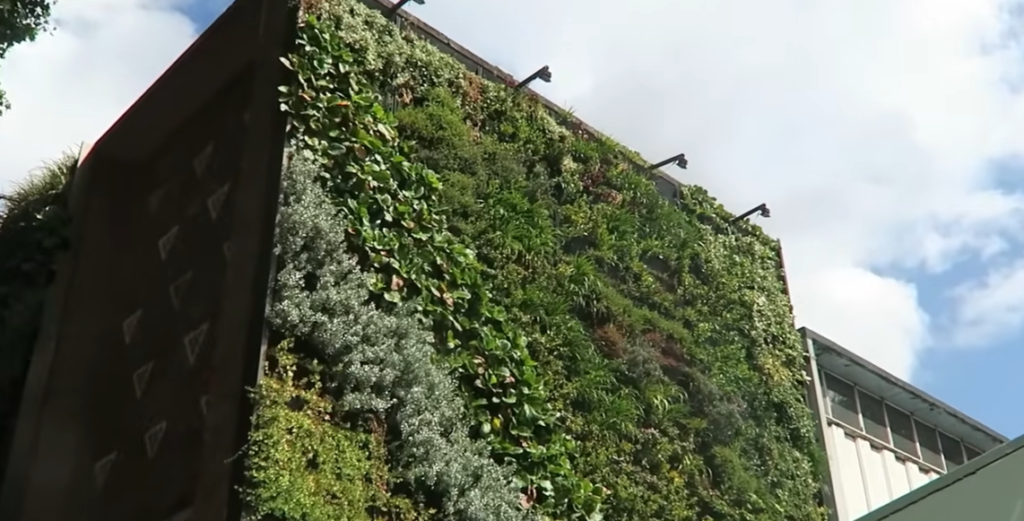
Architects may now model thousands of design scenarios by combining data-driven modeling tools such as Spacemaker and Delve. These instruments have a remarkable resemblance to flight simulators, but for buildings rather than pilots. They examine carbon footprints, acoustic behavior, heat flow, and daylight angles. The AI prioritizes rather than merely making suggestions. It was employed by a university in Southeast Asia to redesign a dorm wing, resulting in a 22% reduction in future cooling expenses.
Additionally, outdated concepts are resurfacing. Passive cooling is being rediscovered after being utilized for centuries in Roman atriums and Persian wind towers. Buildings with wide cross-breezeways, large overhangs, and reflective materials are proven to be incredibly effective at maintaining usability without the need for mechanical intervention. It’s subtraction technology, not addition.
Once the gold standard of building, concrete is now being examined more closely. It is just too expensive in terms of carbon. Hempcrete, a biodegradable, breathable substitute with thermal insulation qualities, is rapidly being used by architects. A hemp-lime hybrid building that had 45% less heating in the winter and remained cool in the summer was used to replace an outdated lab at a French university.
Mass wood has also emerged as a leading architectural material. In addition to its tactile warmth and visual appeal, it has an unexpected twin benefit: it stores carbon and assembles far more quickly. The all-wood Mjøstårnet tower in Norway has established itself as a standard for upcoming educational structures. It is nonetheless incredibly stable and dependable in spite of its size.
These structural changes are not limited to brand-new construction. A lot of universities are recycling their existing resources. High-efficiency insulation is installed in old lecture halls. Green roofs control internal temperature and absorb stormwater. Even seemingly insignificant window upgrades have significantly increased energy efficiency on older campuses.
More intriguingly, behavior is being influenced by architecture.
These days, cafeterias use lighting and layout to promote low-carbon dining practices. Students are encouraged to unplug or turn down lights via real-time monitors that display how much electricity a building is using. Subtle design modifications include indoor gardening to improve air quality and lower ceiling heights to save heating volume. Some people are straightforward. In a Tokyo dorm, slow-turning ceiling fans were installed in place of air conditioning in common spaces. A third less energy was used.
Even prestigious organizations that have historically been sluggish to embrace change are reexamining their plans. Passive ventilation systems have been subtly installed in Oxford’s historic halls. At MIT, net-zero emissions goals are incorporated into the design process for new buildings. Not because it’s fashionable, but because it would be unfeasible to do otherwise.
Aesthetics is no longer the only consideration. The goal is to remain operational amid the upcoming flood. It’s about ensuring that lectures go on during hot weather when the grid is overloaded. It all comes down to providing a secure, flexible, and motivating learning environment for children.
Universities are quietly promoting sustainable living through smart alliances with green architects and urban planners. Once passive buildings, their campuses are becoming highly productive, purpose-driven ecosystems. Just by being carefully constructed, they impart knowledge without a single word being exchanged.
