

There was a subtle electricity on the first night of February that made people go outside without really understanding why. Over snow-covered streets and frost-laced treetops, the Snow Moon climbed slowly, gently, and with a kind of ancestral presence that seemed both comfortable and intense. Just after sunset, it looked abnormally enormous on the horizon—golden, ponderous, and saturated in low light—before gradually settling into a whiter, cooler glow.
It’s not only that this moon is luminous, although it surely is. It’s the time that makes it feel different. As the second full moon of 2026, the Snow Moon rises at a tipping point: not yet spring, no longer holiday, completely winter. It offers a moment of vast silence in relation to the season. The moon returns once a year. But this year, it appears to be reminding us—firmly but gently—just how much light one freezing night can hold.
Indigenous tribes and early farming groups gave the February full moon names that have long been associated with survival. “Hungry Moon” represented the paucity of food in deep winter. “Bear Moon” and “Bald Eagle Moon” demonstrated how animals adapt to the harshness of the season. Others, like “Crow Moon” or “Wind Moon,” evoked odd atmospheric shifts and calls heard in the distance, piercing through snow-dampened air.
| Detail | Information |
|---|---|
| Full Moon Name | Snow Moon |
| Date of Peak Illumination | Sunday, February 1, 2026 |
| Time | 5:09 p.m. EST (2:09 p.m. PST / 22:09 GMT) |
| Constellation | Cancer (near the Beehive Cluster) |
| Zodiac Sign | Leo |
| Best Viewing | Just after sunset, low on the eastern horizon (Jan 31–Feb 2, 2026) |
| Alternative Names | Hungry Moon, Bald Eagle Moon, Bear Moon, Sleet Moon, Wind Moon, Crow Moon |
| Visibility | Naked eye; telescope/binoculars enhance craters & detail |
| Bonus Celestial Event | Planet parade on February 28 featuring Mercury, Venus, Jupiter & more |
| External Source | NASA Moon Guide |
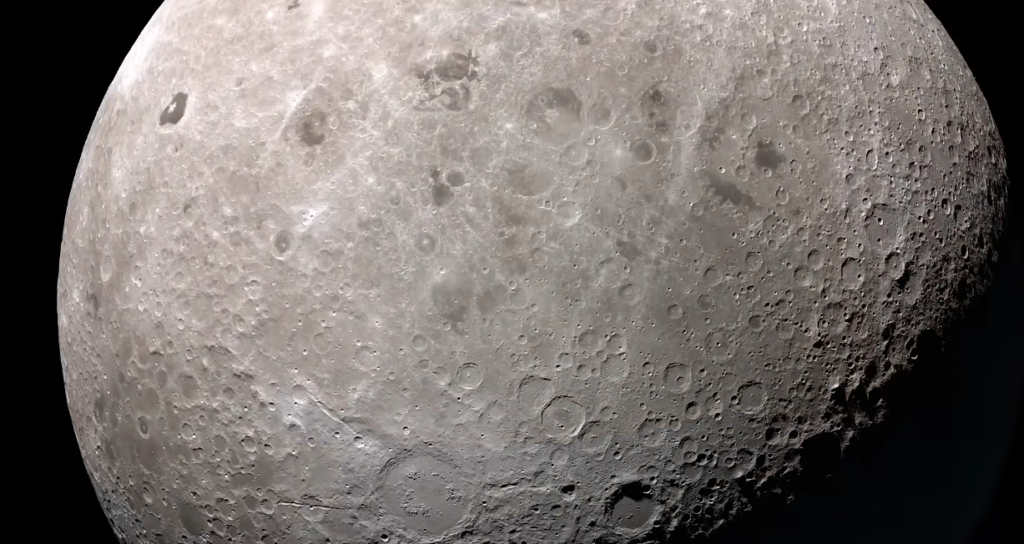
In 2026, the moon appeared exceptionally brilliant because to its positioning in Cancer, not far from the Beehive Cluster—a dense clutch of stars that provided a gentle dusting of luminosity around the moon’s shape. This combo, unique in its clarity, gave viewers a remarkably layered vision. For those observing with binoculars, the night sky looked textured rather than flat—like brushed velvet instead of black ink.
By coincidence or by poetic alignment, the moon also falls in the sign of Leo this year. Astrologers say it emphasizes assertiveness, action, and prominence. It’s difficult to dispute that this moon commanded attention, regardless of your belief in zodiac prophecies. It created broad shadows across fields. It captured the sparkle of rooftops and iced-over automobiles. It made even the most familiar scenery appear reset.
Watching it rise over the edge of a frozen pond, I found myself standing there longer than planned, without blinking.
What surprised many observers—especially in northern regions—was how the moonlight interacted with snow. Under usual conditions, moonlight appears silvery and cold. But reflected off immaculate snowbanks, its tone felt exaggerated, almost theatrical. In some spots, it seemed blue; in others, closer to lavender or champagne, depending on cloud cover and ambient light. This visual approach captured the silent assertiveness of winter in a way that was very effective for both photographers and quiet wanderers.
There’s something intrinsically honest about a February moon. It doesn’t bloom or blush or emphasize itself. It appears constant and complete, illuminating what’s there—frosted trees, forgotten trails, the tips of chimneys with smoke curling out slowly. The Snow Moon provides no assurances. It makes things clear.
Notably, this full moon brings in an especially active month for sky-watchers. At the end of February, a spectacular planetary alignment will extend over the night sky. On February 28, you may see Mercury, Venus, Neptune, Saturn, Uranus, and Jupiter just after sunset. Four of these may be viewed without a telescope—weather permitting—which adds a second dimension of celestial grandeur to this mid-winter stretch. By implementing a simple stargazing practice into these evenings, even casual observers may begin to see patterns, positions, and timing that earlier felt abstract.
Incredibly flexible in how it’s seen, the Snow Moon speaks differently to each viewer. For some, it’s a visual sign of the year’s passage. For others, it promotes reflection or repose. And for a few, perhaps, it offers a reason to pause routine and stare upward, undisturbed.
Crucially, the moon is not only lovely but also reliable. Especially now, when the year still feels unclear and many plans remain half-formed, its cycle functions as a silent metronome. It reaffirms that time is moving, that light will return, that cold nights are not permanent. Its location and proximity to other stars provide astronomers with useful positional information. It provides poets with metaphor. For most of us, it just gives something worth looking at.
By exploiting even the smallest moments—like walking outdoors to view it—we begin to transform our nights. These simple acts of gazing up, repeated and intentional, are extraordinarily efficient in resetting perspective. Fewer alerts are visible to us. We hear fewer background noises. A single full moon, seen clearly, can feel like time well-spent.
Later in the year, we’ll see greater supermoons—particularly in November and December. They will go closer to Earth, seem bigger, and possibly make more news. But February’s Snow Moon doesn’t require size to make an effect. It appears when we need it most: not with grandeur, but with focus.
For the time being, we have this: calm, peaceful, and brilliant. There has been a decrease in temperature, an extension of the night, and an increase in the availability of quiet. That silence, filled by moonlight, isn’t empty. It’s expansive. You may also find yourself feeling surprisingly full if you go outside this week and allow your eyes to adjust.
