

A loud crack can pierce the silence in isolated snow-covered forests—no rifles, no thunder, simply the forceful echo of a tree responding to the cold. This isn’t a myth. Often referred to as “trees exploding,” this peculiar wintertime phenomenon is remarkably real and surprisingly misinterpreted.
The official term for this phenomenon is “frost cracking,” which happens when temperature changes happen too quickly for a tree’s interior structure to withstand. Consider a water bottle that grows and occasionally explodes when placed in the freezer for an extended period of time. The stakes suddenly seem much larger when you swap out that bottle for a real tree.
Residents in northern states like Wisconsin and Minnesota have reported hearing single, piercing cracks in recent days, frequently at the quietest times of the night. These sounds, which are initially confused with distant gunfire or fireworks, are actually the aural hallmark of trees responding to extreme cold. Hidden in the structure of bark and sap, it is the exclamation point of winter.
| Phenomenon | Trees Exploding from Cold (Frost Cracking) |
|---|---|
| Scientific Term | Frost Cracking |
| Cause | Rapid freezing of water/sap in tree trunks |
| Typical Sound | Loud crack or “gunshot” noise |
| Most Affected Trees | Young or thin-barked species (e.g., maples, birches) |
| Risk to Humans | Rare, usually non-dangerous unless standing near the tree |
| Peak Conditions | Sudden cold snaps following warm or sunny winter days |
| Reference Link | www.usatoday.com/story/news/nation/2026/01/22/exploding-trees |
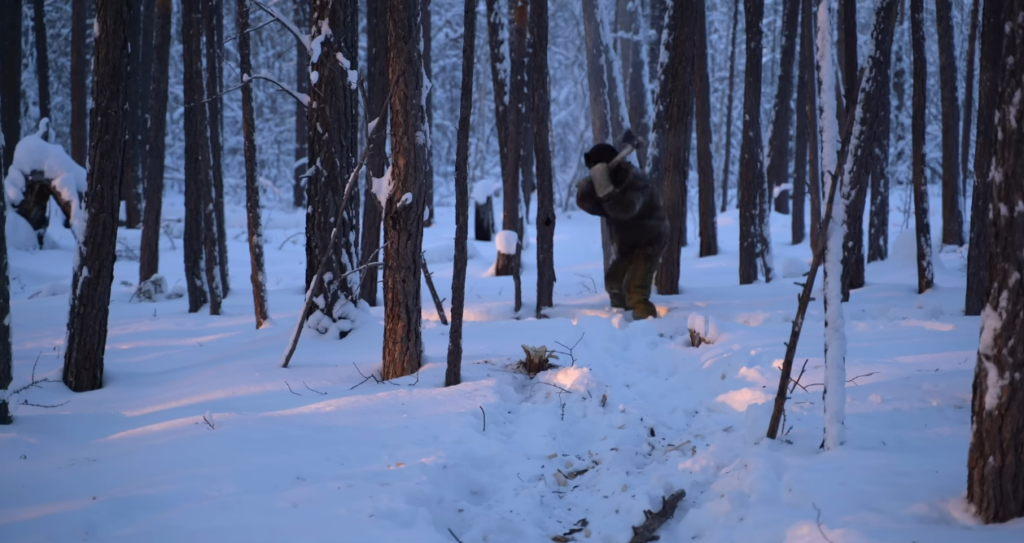
A tree circulates sap, which contains water and dissolved nutrients, through microscopic tubes called xylem and phloem. The outside layers freeze far more quickly than the insulated inner core when the temperature drops sharply, particularly after the bark has been warmed by a sunny day. Because of the extreme pressure differential this produces, the bark may be torn apart from the inside out.
What was the outcome? A crack that can run feet down the trunk and make a loud enough sound to startle hikers and disturb emergency phone lines in remote areas. Frost cracking unexpectedly became a common phenomenon as more individuals spent time outside during the pandemic years. For some nature photographers, taking pictures of recently split trunks steaming silently at dawn has become a minor winter ritual.
The cracking is more common in young or rapidly growing trees, such as birches and maples. They are extremely sensitive to temperature changes because their bark is thinner and their cells hold more moisture. It may surprise you to learn that even urban trees are vulnerable, particularly if they stand in open areas and receive direct sunshine during the day before being struck by freezing winds at night.
I recall stopping by a stand of sugar maples on an early morning hike in Vermont. After an exceptionally warm afternoon, it had fallen to -23°F overnight. I was adjusting my camera lens when I heard a loud snap behind me. Naturally, I ducked. Turning back, I saw a tree standing whole but injured, its bark split from root to chest height and steaming slightly in the bitter cold. For some reason, the silence that ensued was louder than the sound.
Frost cracking, despite its startling sound, is rarely dangerous unless someone is standing quite close or resting on a tree. There is only a scar and a shock, not flying shards or exploding debris. The majority of trees heal and organically close the wound the following spring. For years, others are still clearly marked.
Notably, these occurrences are becoming more frequent due to the abrupt rise in temperature volatility. Winter days are getting increasingly erratic during the last ten years, with bright highs interspersed with severe midnight lows, according to weather statistics. Trees must adapt more quickly to climate change, frequently at the expense of their own structural integrity.
Forestry experts are learning more about how various species respond to environmental stress by examining frost cracking incidents. Because of their thicker bark and slower internal temperature swings, some trees, like oaks, seem to be especially resilient. Others, like aspen and sycamore, are more prone to cracking, which, if left untreated, can lead to pests or fungal infections.
It’s interesting to note that most frost fractures develop vertically, although they hardly ever completely break the tree. The crack releases internal pressure by functioning as a controlled release valve. Similar to a pressure cooker whistling before boiling over, it is nature’s method of controlling its own instability.
The sounds provide vital information to arborists and tree care experts. They can more accurately identify which urban areas may require monitoring or intervention by charting the locations and times of frost fractures. In parks, schoolyards, and public paths where fallen limbs or structural instability could be dangerous during the spring thaw, this has been very helpful.
Another factor in raising awareness has been social media. Videos of trees making loud bangs during cold times have gone viral, with many captions expressing bewilderment or incredulity. Beneath the show, however, is a really powerful physics and plant biology lesson.
Amazingly, trees can withstand numerous frost cracks and still lead long, healthy lives. They are incredibly resilient; over time, they can reinforce the damaged areas with denser wood, change the flow of sap, and even rebuild their bark layers. Some trees become more resilient with each split, much way bones become stronger after a break.
Frost cracking serves as an unanticipated reminder to nature lovers that stillness does not equate to silence. The forest is responsive, active, and sometimes rather talkative.
We may develop a greater respect for these natural occurrences as well as a deeper comprehension of how life adjusts, even in the face of intense stress, by paying closer attention to the harshest sounds of winter. And it keeps aiming at spring in the most unexpected ways.
