

COP30 preparations have already started to change Belém, where the Amazon River flows with quiet authority and the humid air sticks to your skin. Workers string cables through streets that flood easily after a heavy downpour, lay pavement, and repaint curbs. It seems like a location getting ready to be seen.
This time, Brazil wants to be perceived differently.
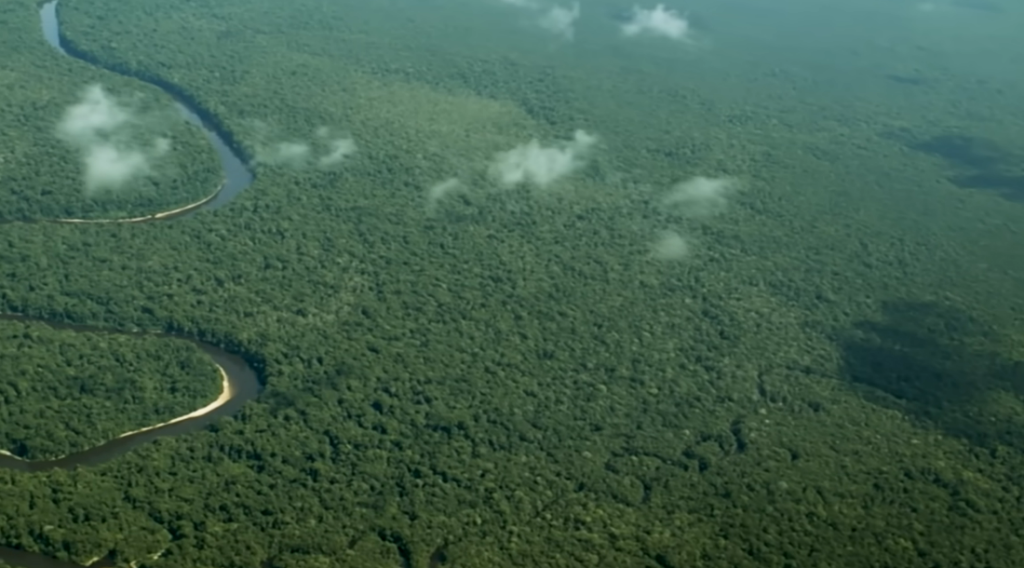
The nation has returned to the global climate stage with a renewed sense of ambition following years of environmental setbacks. According to recent data, the amount of deforestation in the Amazon has drastically decreased—by almost a third in just one year—offering something concrete and quantifiable. The government appears to be aware of the significance of that figure. However, symbolism can be brittle.
Brazil’s climate policy, which is currently the subject of intense international scrutiny, is situated in a challenging area between contradiction and progress. While quietly approving energy plans that still rely heavily on the expansion of oil and gas, officials speak confidently about aligning with a 1.5°C pathway. It seems like two distinct futures are being negotiated simultaneously as you watch this play out. Green is one. The other, not so much.
New carbon markets, sustainable agriculture under the ABC+ plan, and a push toward biofuels and renewable energy are all discussed in policy documents in Brasília. To be fair, Brazil’s electricity grid, which is primarily powered by hydropower, wind, and solar, is already exceptionally clean by international standards.
However, the landscape reveals a more nuanced story when you look beyond the policy language.
As you drive through some areas of the Cerrado, you’ll notice that farmland stretches outward, occasionally displacing ecosystems that once supported rich biodiversity. According to satellite data, the pressures associated with deforestation have changed rather than vanished. It’s possible that advancements at Amazon are being offset in other places, subtly balancing the ledger in ways that go unnoticed. It’s still unclear if Brazil can increase its industrial and agricultural footprint while cutting emissions quickly enough.
| Category | Details |
|---|---|
| Country | Brazil |
| President | Luiz Inácio Lula da Silva |
| Climate Targets | -37% emissions by 2025, -50% by 2030 |
| Net Zero Goal | 2050 |
| Key Focus | Amazon deforestation reduction |
| Major Event | COP30 (Belém, 2025) |
| Policy Tools | ABC+ Plan, carbon market law |
| Key Challenge | Rising non-forest emissions, fossil fuel expansion |
| Climate Rating | “Insufficient” (Climate Action Tracker) |
| Reference 1 | Climate Action Tracker – Brazil |
| Reference 2 | GIZ Climate Policy Programme Brazil |
There is more than environmental pressure. Geopolitical in nature.
Brazil is presenting itself as a mediator of international climate cooperation as the host of COP30, even suggesting the creation of a new UN Climate Change Council to expedite talks. The concept seems ambitious, perhaps even essential in a system that frequently operates slowly.
In diplomatic circles, however, there is skepticism. Some are concerned that it might make an already congested climate governance system more difficult, detracting from rather than enhancing current frameworks. It’s possible that the proposal expresses more dissatisfaction with the existing system than faith in a new one.
In the meantime, the data speaks for itself.
When land use is taken into account, Brazil continues to rank among the world’s top emitters, and emissions outside the forestry industry have been steadily increasing over time. A sizeable portion comes from agriculture alone, which is mostly fueled by land conversion and livestock. By encouraging low-carbon farming methods, initiatives like the ABC+ plan seek to mitigate that impact.
However, there seems to be uneven, almost hesitant, progress.
Energy is another issue that looms over everything like a silent paradox. Brazil plans to increase fossil fuel production well into the next ten years, even as it makes significant investments in renewable energy sources, such as solar panels spreading across arid inland regions and wind turbines spinning along coastal ridges.
It’s difficult to ignore that tension.
Investors appear to think Brazil can simultaneously grow its economy and gradually reduce emissions. Perhaps that is partially accurate. The nation has long successfully and occasionally unsuccessfully balanced economic aspirations with environmental stewardship.
However, the global climate discourse is changing. Now, faster reductions are anticipated. There is less opportunity for compromise. Furthermore, Brazil has finite time despite its natural advantages.
It’s difficult not to consider the stakes when strolling through Belém’s markets, where fish vendors arrange their catch on melting ice and the scent of river water lingers in the heat. The Amazon is more than just a national resource. It’s a worldwide one. Brazil is also aware that the world is paying closer attention than it used to. Expectations seem to have shifted.
Brazil now has some credibility thanks to the decrease in deforestation. However, once reestablished, credibility is easily put to the test. Particularly when oil fields continue to grow, emissions outside of forests are gradually increasing, and economic plans and policy commitments don’t exactly line up.
It’s possible that consistency rather than policy design is Brazil’s greatest problem.
