

A specific type of quiet descends upon coral reefs following a bleaching incident. Witnesses frequently describe it as unnerving, not because reefs make noise, but rather because they lose their sense of life. Electric blues and brilliant reds turn pale, followed by ghostly white. The Australian Marine Conservation Society reports that the Great Barrier Reef is experiencing its sixth mass bleaching event in as many years, and that silence is spreading once more.
This time, the damage is over 1,300 kilometers long, from Townsville to Cape York—a distance so great that it’s difficult to picture without a map. The conservation group cited monitoring showing between 31 and 90 percent of corals have bleached in some inshore reefs north of Cooktown. In northern Queensland, standing on a boat deck during one of these summers, the water still appears surprisingly lovely from above. On the underside, however, entire coral colonies seem lifeless, their skeletons visible.
Although bleaching has been observed by scientists and environmentalists in the past, the frequency now seems different. Between significant occurrences, the reef used to have decades to recover. The intervals are now getting shorter. Australian Marine Conservation Society reef campaigner Simon Miller called the consecutive bleaching events a devastating blow to an ecosystem that is still recovering from the previous summer. One gets the impression that recovery itself is becoming ambiguous.
| Category | Details |
|---|---|
| Organization | Australian Marine Conservation Society |
| Founded | 1965 |
| Headquarters | Brisbane, Australia |
| Focus | Marine conservation, reef protection, climate and pollution policy |
| Major Concern | Sixth mass coral bleaching event in nine years |
| Reef Impact Zone | Over 1,300 km from Townsville to Cape York |
| Key Threats | Climate change, marine heatwaves, water pollution |
| Official Website | https://www.marineconservation.org.au |
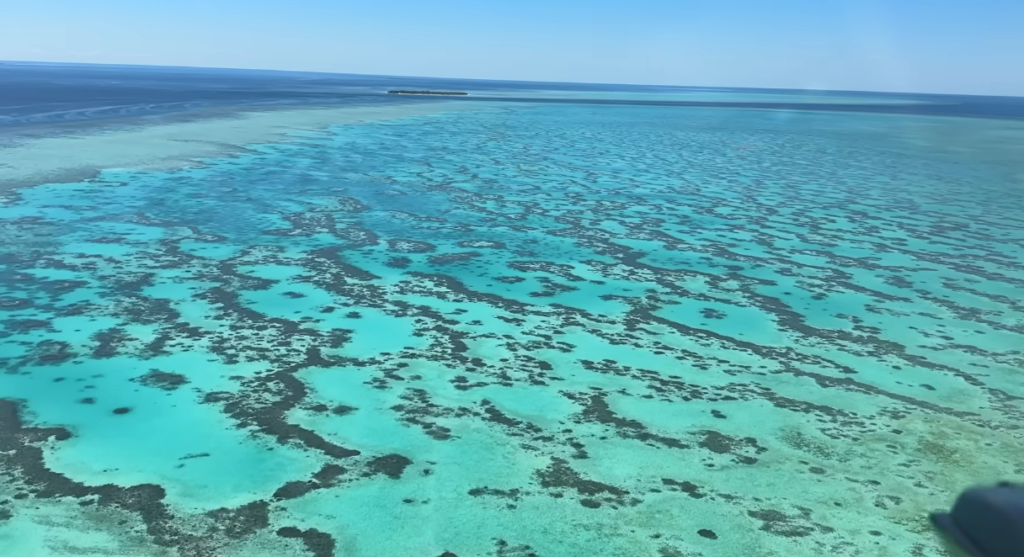
The reasons aren’t a mystery. Rising ocean temperatures are causing marine heatwaves that are straining corals to their breaking point. The delicate relationship that corals have with microscopic algae, which provide them with color and vitality, allows them to survive. Corals expel these algae when the water becomes too warm, which leaves them exposed and bleached. People are becoming increasingly concerned that the reef is being pushed into a harsher, new normal as they watch this happen year after year.
Another source of stress has been brought on by flooding. More than 100 kilometers offshore, recent flood plumes have carried pollutants that have obstructed coral and seagrass habitats and clouded waters. For animals like turtles and dugongs, which rely on stability in an increasingly unstable environment, these seagrass beds are essential feeding grounds. Even though pollution by itself might not be disastrous, heat stress and pollution combine to create a dangerous combination.
The Australian Marine Conservation Society is calling on governments to take immediate action, especially to curb climate pollution and stop approving new fossil fuel projects. Their argument is straightforward: attempts to save the reef might end up being symbolic rather than successful if climate change is not addressed head-on. Pollution reduction targets have been set by governments in the past, but progress has been so slow that it will take decades for some pollutants to reach safe levels.
Politics makes everything more difficult. In addition to being a treasure of the environment, the Great Barrier Reef supports billions of dollars in tourism and fishing, making it a major economic driver. This economic reliance leads to conflict. It is frequently necessary to take on industries that generate income and jobs in order to protect the reef. Whether political leaders are willing to fully accept those trade-offs is still up for debate.
Additionally, there is the emotional significance of the reef’s meaning. The Great Barrier Reef ecosystem is not merely an abstract concept to many Australians. It contributes to national identity. It is visited by families. It is the subject of careers for scientists. The cultural ties of indigenous communities date back thousands of years. Seeing it deteriorate is intimate.
Following extreme events, emergency response plans, such as the one put forth by conservationists, could hasten the recovery of reefs. These strategies could involve repairing damaged areas or lowering environmental stressors like pollution. If the oceans continue to warm, however, even those efforts will be limited.
The accumulation makes this moment feel unique. You can write off one bleaching incident as an exception. Six out of nine cannot. There are emerging patterns that are hard to overlook.
