

Every spring, after spending a weekend outside, people in the Northeast’s wooded neighborhoods and hiking trails perform the awkward ritual of standing in front of a mirror and checking themselves for ticks. The fear of a tiny dark speck on skin is now almost seasonal in Connecticut, Pennsylvania, New York, and Massachusetts—states where Lyme disease has evolved from an obscure concern to a persistent public health reality. Every year, about 500,000 Americans receive a diagnosis or treatment for Lyme disease. Since 2002, there hasn’t been a human vaccine for it.
That may be shifting. Phase 3 results from Pfizer and its French biotech partner Valneva’s VALOR trial, “Vaccine Against Lyme for Outdoor Recreationists,” were released on March 23. The results showed that the experimental shot decreased Lyme disease infections by over 70% in recipients compared to those who received a placebo. 9,400 individuals five years of age and older tolerated the vaccine well, and no safety issues were found. The businesses stated that they plan to apply for regulatory approval. However, there is a wrinkle, and it is quite noticeable.
| Vaccine Name | PF-07307405 (also known as LB6V; formerly VLA15) |
|---|---|
| Developers | Pfizer Inc. (NYSE: PFE) and Valneva SE (VALN / VLA.PA) |
| Collaboration Established | April 2020 |
| Vaccine Type | 6-valent OspA-based protein subunit vaccine |
| Phase 3 Trial Name | VALOR — “Vaccine Against Lyme for Outdoor Recreationists” (NCT05477524) |
| Trial Sites | High-incidence areas in the U.S., Canada, and Europe |
| Trial Population | ~9,400 participants (ages 5+) — reduced from ~18,000 due to 2023 site quality concerns |
| Dosing Schedule | 3 doses in Year 1 (months 0, 2, 5-9); booster dose in Year 2 |
| Efficacy Result | 73.2% (28 days post-dose 4); 74.8% (1 day post-dose 4) |
| Primary Endpoint Status | Missed — fewer Lyme cases than anticipated; confidence interval lower bound did not exceed 20 in first analysis |
| Safety Profile | No safety concerns identified at time of analysis |
| Regulatory Plans | Pfizer and Valneva intend to submit to FDA and other regulatory authorities |
| Estimated Peak Annual Sales | >$1 billion (Valneva estimate) |
| Previous U.S. Lyme Vaccine | LYMErix (SmithKline Beecham/GSK) — approved 1998, withdrawn 2002 due to low demand following public safety concerns |
| Annual U.S. Lyme Cases | ~476,000 diagnosed/treated annually (CDC estimate) |
| Annual European Cases | ~132,000 reported annually in surveilled countries |
| Reference Links | Pfizer Press Release — VALOR Trial Results / CDC — Lyme Disease Vaccine Information |
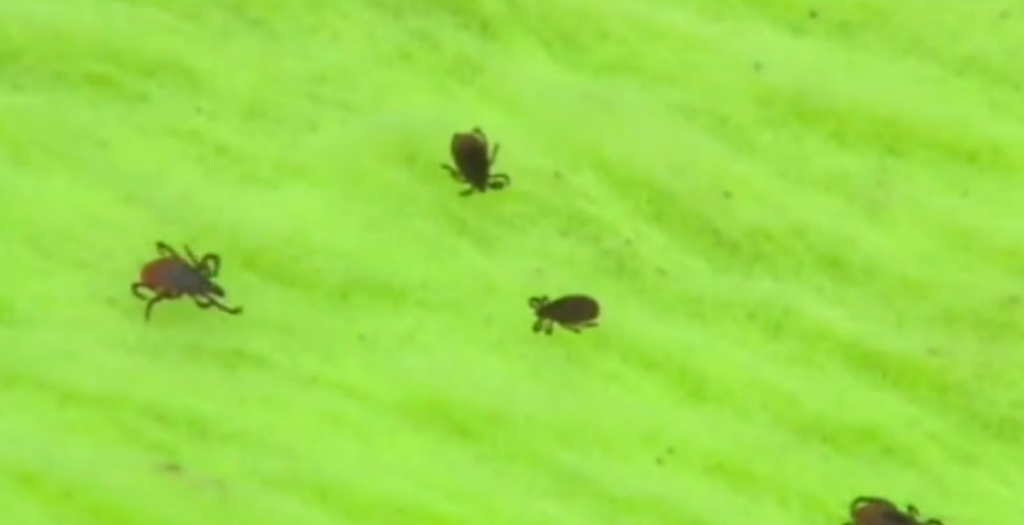
In theory, the trial failed to reach its main goal. Not because the vaccine was ineffective (the 73.2% efficacy is truly encouraging), but rather because fewer study participants contracted Lyme disease than the trial statisticians had anticipated, resulting in a confidence interval that fell just short of the predetermined threshold for statistical success. That is a significant distinction in terms of clinical trials. According to the study’s own statistical framework, the effectiveness was real, but there wasn’t quite enough assurance about it. Pfizer is still moving forward, claiming that in one of the two pre-specified analyses, the efficacy signal was sufficiently strong and the confidence interval was sufficiently close to the bar. The key question now is whether the FDA concurs.
Pfizer is aware that the past is important in this case. Introduced in 1998 by what was then SmithKline Beecham and later merged with GSK, LYMErix was the last human Lyme disease vaccine approved in the US. It demonstrated about 76% efficacy and was approved without significant safety concerns. The public then began to oppose it. There were worries about a potential connection to autoimmune arthritis, but these were mostly unconfirmed and ultimately unsupported by the scientific data. Demand fell. Due to the vaccine’s lack of commercial viability, the manufacturer removed it from the market in 2002. The ramifications of that choice went far beyond a single product. For more than 20 years, it effectively placed the entire Lyme vaccination category in a sort of commercial and regulatory deep freeze, stifling advancement as the disease spread geographically and the tick populations that caused it moved farther north and west every year.
Prior to achieving the efficacy results, Pfizer and Valneva’s Phase 3 journey was fraught with difficulties. About half of the trial’s initial 18,000 participants were dropped by the companies in 2023 due to quality issues with Care Access, a third-party clinical site operator. The study’s statistical power was effectively reduced when the enrollment was lowered to about 9,400, making it more difficult to gather the number of Lyme disease cases required to meet the primary endpoint. Although the company refuted the claims of quality violations, the statistical architecture of the trial had already been harmed. A larger study could have easily passed the threshold, at the very least.
The vaccine itself operates in a peculiar way. PF-07307405 targets the outer surface protein A of the Borrelia bacteria within the tick itself, as opposed to merely preparing the human immune system to combat bacteria after infection. When an infected tick bites a vaccinated person, the antibodies produced by the vaccine enter the tick during the blood meal and prevent the bacteria from exiting the tick and entering the human host. In essence, the protection takes place prior to the infection. Six OspA serotypes are covered by the vaccine, which targets the most common Lyme bacterial strains in North America and Europe.
The Lyme vaccine is a legitimate but non-transformative asset for investors keeping an eye on Pfizer’s pipeline. For a company that anticipates total revenues of about $60 billion this year, Valneva has projected peak annual sales of more than $1 billion, which is significant but not a headline figure. Pfizer’s oncology pipeline, aspirations for obesity drugs, and handling the impending patent cliff on a number of its current products are more important aspects of its short-term financial story. If approved, a first-in-class Lyme vaccine would be both economically and symbolically significant. It wouldn’t have the same impact as a popular cancer treatment.
Given the missed primary endpoint, it’s still unclear if the FDA will find Pfizer’s case for approval convincing, and the regulatory landscape for vaccines in 2026 is more ambiguous than it was ten years ago. Cautious optimism is not a good choice for a generation of Americans who spent every spring checking their tick count in the bathroom mirror. The FDA must now decide if the VALOR data is sufficient to provide it.
