

Tampax is right there at eye level when you walk down the feminine hygiene section of any American pharmacy. The pink and white boxes are arranged in orderly rows, and the brand name is so well-known that it hardly stands out anymore. Generations of women and girls have used Tampax as part of their daily routines; some began using it in early adolescence and continued for decades without ever having any reason to wonder what the product truly contained. The Tampax class action lawsuit, which was filed in Ohio federal court in November 2025, is particularly unsettling because of that unexamined trust.
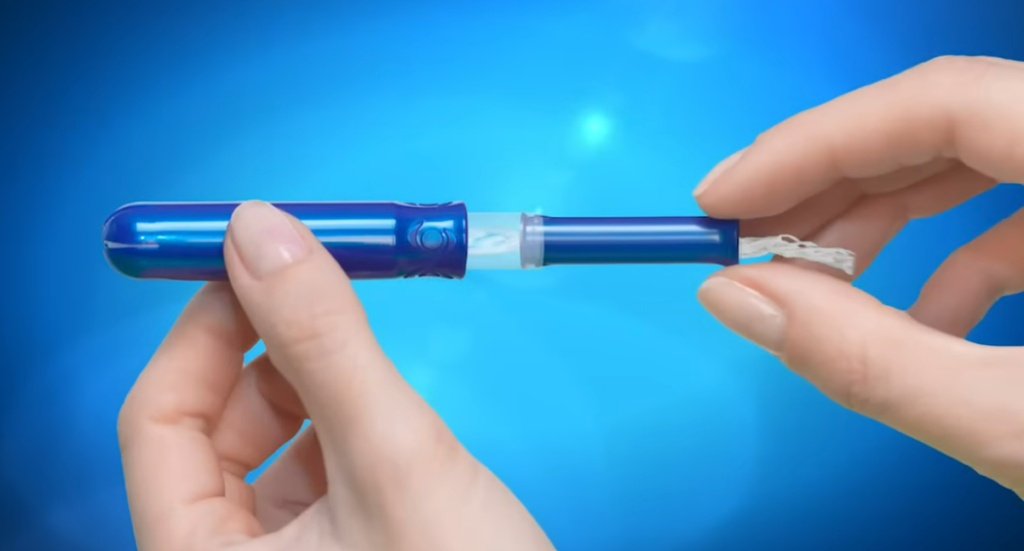
Nine plaintiffs filed the lawsuit, Sanchez et al. v. The Procter & Gamble Co., claiming that Tampax brand tampons contain dangerously high levels of lead, a neurotoxin with established connections to dementia, mental illness, cognitive impairment, and hypertension. There is more to the complaint than just pointing out that a dangerous material is present. Procter & Gamble allegedly knew or should have known about the contamination and decided not to disclose it on product packaging, depriving customers of the knowledge necessary to make any kind of informed decision. The plaintiffs claim that independent testing they carried out verified the presence of lead, particularly in the tampon’s vaginally inserted portion, which comes into direct contact with the cervix and vaginal walls, tissue that makes it easier for substances to enter the bloodstream than through oral ingestion.
The accusations are especially significant because of that final detail. Lead exposure is typically framed in terms of ingestion, such as children consuming paint chips, water passing through outdated pipes, and contaminated soil close to industrial sites. Although they are not perfect, the body’s defenses against oral lead exposure include some filtration. Absorption through the mucosa is a different story. The plaintiffs contend that contamination in an internally used product is far more concerning than the same levels in, say, a kitchen product or a cleaning supply because lead entering through vaginal tissue circumvents some of those protective mechanisms. Additionally, the lawsuit claims that the lead levels in Tampax tampons are higher than the action level standard for lead in drinking water set by the U.S. Environmental Protection Agency. If this comparison is true, it puts the alleged contamination in sharp contrast.
The lawsuit contains a detail that is especially challenging to reject. Other tampon brands, including some offered by Procter & Gamble, promote their goods as being lead-free. According to the complaint, this is significant because it shows that P&G was aware that lead presence was a differentiator that consumers valued and that it was technically possible to make tampons without it. It is implied that the lack of lead is a feature worth promoting if one line is advertised as lead-free. The same reasoning clearly calls into question lines that don’t make such a claim.
Key Information Table
| Detail | Information |
|---|---|
| Case Name | Sanchez, et al. v. The Procter & Gamble Co. |
| Case Number | 1:25-cv-00852-DRC |
| Court | U.S. District Court for the Southern District of Ohio |
| Defendant | The Procter & Gamble Co. (P&G) |
| Brand Targeted | Tampax (specifically Tampax Pearl tampons) |
| Lead Plaintiff | Ciji Sanchez |
| Total Plaintiffs | Nine |
| Date Filed | November 19, 2025 |
| Core Allegation | Tampax tampons contain unsafe levels of lead; P&G failed to disclose this on product packaging |
| Toxin at Issue | Lead — a neurotoxin linked to cognitive deficits, mental illness, dementia, and hypertension |
| Absorption Concern | Direct contact with vaginal walls and cervix allows lead to enter bloodstream more readily than through oral exposure |
| Testing Basis | Independent testing conducted by plaintiffs confirmed lead presence in the inserted portion of the tampon |
| EPA Comparison | Alleged lead levels exceed the EPA’s action level standard for lead in drinking water |
| Additional Allegation | Other P&G tampon lines advertise as lead-free, indicating the company could have produced Tampax without lead |
| Legal Claims | Violations of state consumer protection laws; class certification sought; damages, fees, costs, and jury trial requested |
| Plaintiffs’ Attorneys | Kohn, Swift & Graf P.C.; Levin Sedran & Berman LLP; Dworken & Bernstein Co. LPA; Robert Peirce & Associates P.C. |
| Related Case | Similar suit filed against Kimberly-Clark over U by Kotex Click tampons |
| Additional Tampax Concerns | Separate PFAS-related lawsuit alleging Tampax Pure Cotton tampons contain per- and polyfluoroalkyl substances |
| P&G Response | Not publicly stated; case is in early litigation phase |
Legal tracking websites’ comment sections provide their own narrative. Various versions of “add me” have been posted by hundreds of women, along with notes about how long they have been using Tampax: a thirteen-year-old, a thirty-five-year-old, or a collegiate athlete who depended on Tampax Sport during competitive seasons. Those responses’ volume and specificity point to something more than mere curiosity. Many of these women seem to be doing a sort of mental accounting, comparing years of product use to a set of health symptoms that they may or may not be able to link to this specific cause, and they find the uncertainty itself to be extremely frustrating.
There are other tampon brands that are under this kind of scrutiny besides Tampax. A similar lawsuit alleging lead contamination was brought against Kimberly-Clark regarding its U by Kotex Click tampons. PFAS—per- and polyfluoroalkyl substances, the so-called “forever chemicals” linked to cancer and hormonal disruption—are the subject of a different lawsuit involving Tampax Pure Cotton. The plaintiffs claim the company’s marketing of a “pure cotton” product misled customers into thinking they were buying something free from dangerous synthetic substances. The fact that several cases from various brands and contaminants have come together indicates that this isn’t a limited problem unique to a single product line. It might be a more widespread oversight failure in a product category that has traditionally gotten very little regulatory attention.
The Tampax class action is still in its infancy. There has been no agreement reached. P&G has not addressed the merits of the accusations in a comprehensive public statement. The case may ultimately be challenged on scientific grounds, including whether the independent testing methodology can withstand scrutiny, what lead levels are truly harmful when absorbed transdermally, and whether a causal relationship between Tampax use and particular health outcomes in individual plaintiffs can be established. Before any jury can truly assess the claims, those are genuinely open questions that must be addressed. Unquestionably, the lawsuit has already accomplished something significant: it has compelled a discussion about what women are entitled to in terms of transparency regarding the contents of products they use internally, on a monthly basis, and frequently for decades. Once a conversation has begun, it is difficult to stop.
