

The noise is the first thing you notice when you walk into a hands-on creative learning school on a typical Tuesday morning. Not chaos, but constructive noise. A teacher crouching next to a student at a worktable, kids organizing supplies on low wooden shelves, and someone quietly explaining what they’re building. It doesn’t resemble school as most adults recall it. That’s the whole point.
Private education is undergoing a subtle but noticeable change across the United States. The strict, lecture-heavy approach that characterized American classrooms for many years is being abandoned by families. A different type of school is taking its place, one that emphasizes curiosity, personal pace, emotional growth, and the idea that kids learn best when they’re doing something. The fastest-growing category in the private school landscape is the Creative Learning Academy model, which has its roots in both a more comprehensive whole-child approach and the Montessori philosophy. It’s difficult to ignore how rapidly the momentum has increased.
Compared to public schools, private schools have always had more freedom to try new things. They can change course more quickly and implement research-backed practices before they ever make it into mainstream education because they are not burdened by district mandates or standardized curriculum requirements. In response to both neuroscience and the practical reality that the majority of American households now have two working parents, schools like Chicago’s Bennett Day School were able to add full-day programs for two-year-olds thanks to this flexibility. It is now impossible to ignore research on early brain development. Teachers and developmental scientists now generally concur that everything that happens after birth is shaped by the window between birth and age five.
The absence of desk rows and the furniture in the classroom are not the only things that set the creative learning model apart. It’s the fundamental idea that a student’s social and emotional growth is the cornerstone of their academic success rather than something distinct from it. Schools that operate in this area typically take great care to develop what they refer to as the “whole child.” This implies that a demanding academic setting is insufficient on its own. Pupils must feel understood. They require mentors in addition to teachers. The core values of Creative Learning Academy, which has been in operation for more than 50 years,—knowledge, character, innovation, and leadership—are not displayed as wall décor. From pre-primary Montessori classrooms to middle school programs centered around adolescent psychology, they appear to genuinely organize how the place operates.
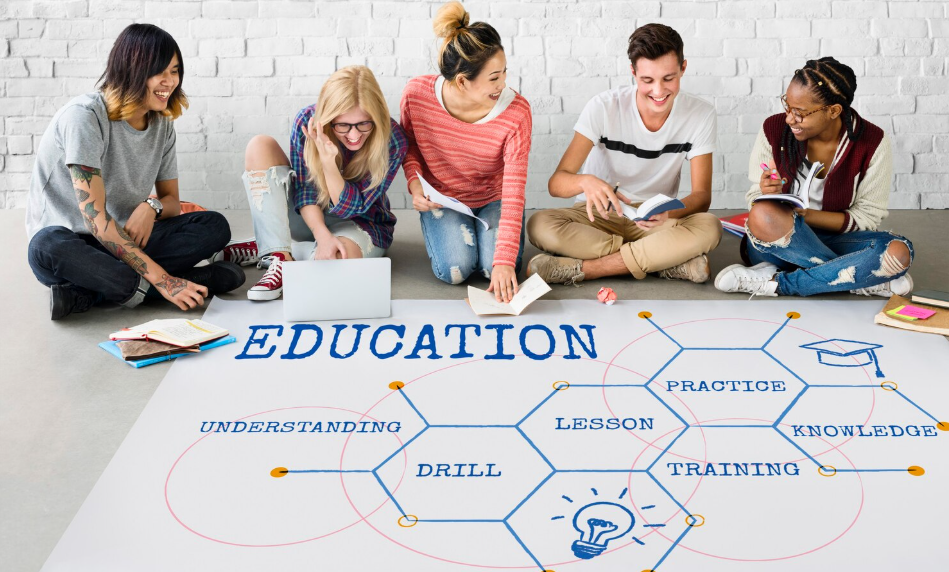
Teachers in this field believe that children have long been undervalued by mainstream education. Not their intelligence, but their ability to make their own decisions. The somewhat radical idea behind the Montessori-inspired classrooms that are proliferating across the nation is that children will learn on their own if the environment is carefully prepared and you take a back seat. It doesn’t always appear organized. However, an increasing amount of longitudinal research indicates that the results are difficult to discount.
Enrollment in creative schools has also increased thanks to specialized programming. Ten years ago, there were no options available to parents of children with ADHD, learning disabilities, or simply children who have never thrived in traditional settings. Schools such as Chicago’s Hyde Park Day School have developed whole models based on intelligent students who learn differently, prioritizing active learning over passive absorption of knowledge.
Whether this trend is a generational correction or a long-term structural change is still unknown. However, you get the impression that something significant has changed when you observe families selecting schools today—talking to parents outside of enrollment information sessions, reading what they post in parenting forums, and listening to what they say at school events. These days, they want more than just higher test scores. They want their kids to be passionate about learning. They want educational institutions that prioritize the needs of their students. Enrollment is being driven by this instinct in ways that traditional private schools are just now starting to recognize.
Disclaimer
Nothing published on Creative Learning Guild — including news articles, legal news, lawsuit summaries, settlement guides, legal analysis, financial commentary, expert opinion, educational content, or any other material — constitutes legal advice, financial advice, investment advice, or professional counsel of any kind. All content on this website is provided strictly for informational, educational, and news reporting purposes only. Consult your legal or financial advisor before taking any step.
