

When kids are really into something, there is a certain kind of stillness that hits the classroom. Not the forced quiet of a test, but the focused silence of a child who has just been given some clay and a job to do. There is something important going on when you see paint-splattered tables, half-finished drawings pinned at strange angles, and a small group of people whispering about how a dragon would really move.
For decades, creative thinking and learning through the arts have been on the edges of formal education. They have been praised in theory but quietly pushed to the sidelines in practice. It’s been hard because of budget cuts, standardized tests, and the constant worry that kids need to be drilled in core subjects. Over the years, however, the evidence supporting arts integration as a serious way to teach has only gotten stronger.
Research consistently shows that creative engagement does not happen at the expense of academic development. This is something that early childhood educators have long thought. It happens at the same time and often speeds it up. When kids act out a history lesson scene, they are practicing empathy, consequences, and the order of events. When one child turns a math idea into a pattern that can be seen, the idea becomes real in a way that no worksheet can quite do.
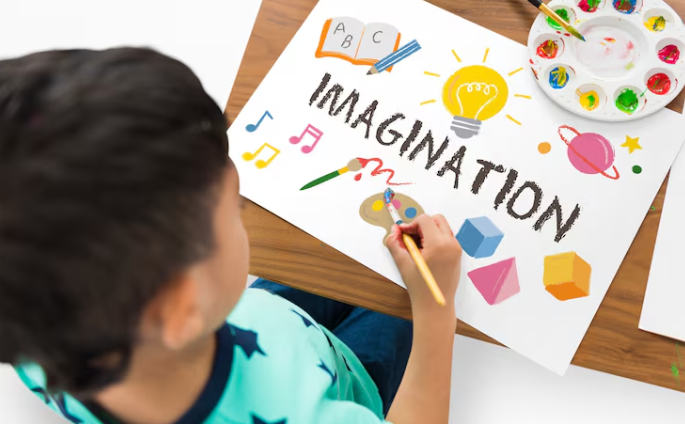
The best time for arts-based learning is from preschool to early elementary school, when kids are still building the brain structures they will use for the rest of their lives. Music and movement help you think about space. Drama helps kids see things from other people’s points of view, which is one of the trickiest skills to teach anyone. Visual art teaches you to be patient with the process and to be ready to start over and make changes without feeling bad about it. These are not easy results. They are the building blocks of thinking that works and is flexible.
But it’s possible that the talk about integrating the arts has been its own worst enemy at times. When we think of creativity as something fragile that needs to be kept safe from the stresses of standards and responsibility, it can sound like a luxury that we should only add when we have time. The stronger argument is the opposite: that standards for accountability should encourage creative thinking, and that arts-based approaches are one of the best ways to do that.
There’s also the matter of who gains the most. Kids from low-income families, kids who are learning English, and kids who see the world in different ways are often the ones who shine in art and drama rooms more than anywhere else. It has been seen for a long time that the arts meet kids where they are instead of expecting them to meet a certain standard first.
It’s hard not to think that something really educational is going on when you watch a group of six-year-olds work through a tableau exercise. They are frozen in a scene from a story and have to decide who stands where and why. They are each reading the other. In other words, they are choosing what meaning means. Even though they don’t know the word, they are interpreting it. The teacher isn’t giving instructions from the front of the room. She just watches and asks a few questions here and there, but mostly stays out of the way.
Some administrators are probably scared by that picture. It seems like learning should be busier, easier to track, and more obviously useful. However, both research and practice show that what seems like play is often the most important cognitive work going on in the room.
Schools don’t have to struggle to show teachers why creative thinking is important. A lot of them already know. Building it into a schedule that wasn’t meant to do that is hard, and you have to believe that kids who are given time to create will not fall behind. The evidence shows that most of the time, they come out on top.
Disclaimer
Nothing published on Creative Learning Guild — including news articles, legal news, lawsuit summaries, settlement guides, legal analysis, financial commentary, expert opinion, educational content, or any other material — constitutes legal advice, financial advice, investment advice, or professional counsel of any kind. All content on this website is provided strictly for informational, educational, and news reporting purposes only. Consult your legal or financial advisor before taking any step.
