

Longer lives were a silent promise that came with every decade during the majority of the previous century. Better living conditions, public health initiatives, and medical developments were extremely successful in maintaining that momentum. Many scholars who follow current developments, however, believe that the progressive march is noticeably slowing down.
The figures have begun to level down across countries with the longest life expectancies, such as Sweden, Switzerland, and Japan. Recent increases in longevity have tapered to less than a year in many areas, drastically reducing the previously anticipated two to three years of additional longevity per decade. Serious debates concerning the possible upper limit of human longevity are being sparked by these minute changes.
Scientists now estimate that the maximum natural human lifespan is between 120 and 150 years, based on decades’ worth of mortality data. Jeanne Calment’s remarkable 122-year lifespan, which she attained without the use of contemporary biotechnology, is still the record and might remain so unless aging is physiologically altered.
According to recent studies, a nearly 20% decrease in death rates across all age groups would be necessary for life expectancy in already long-lived nations to rise even one year. Without innovative strategies to slow down or reverse biological aging, achieving that goal becomes especially challenging. In the past, cleanliness and vaccines helped humanity advance quickly. Only more profound scientific discoveries can now propel us forward.
Key Facts
| Aspect | Details |
|---|---|
| Central Finding | Life expectancy growth is slowing and may be hitting a biological ceiling |
| Biological Limit | Estimated near 120–150 years, with Jeanne Calment (122) still the record |
| Healthspan vs Lifespan | Focus is shifting toward extending healthy years, not just total years lived |
| Current Trends | Since 1990, life expectancy gains have decelerated in most long-lived countries |
| Exceptions | Hong Kong and South Korea saw temporary accelerations |
| Scientific Divide | Debate persists between biological limit believers and longevity optimists |
| Core Concern | Without breakthroughs in slowing aging itself, radical life extension is unlikely |
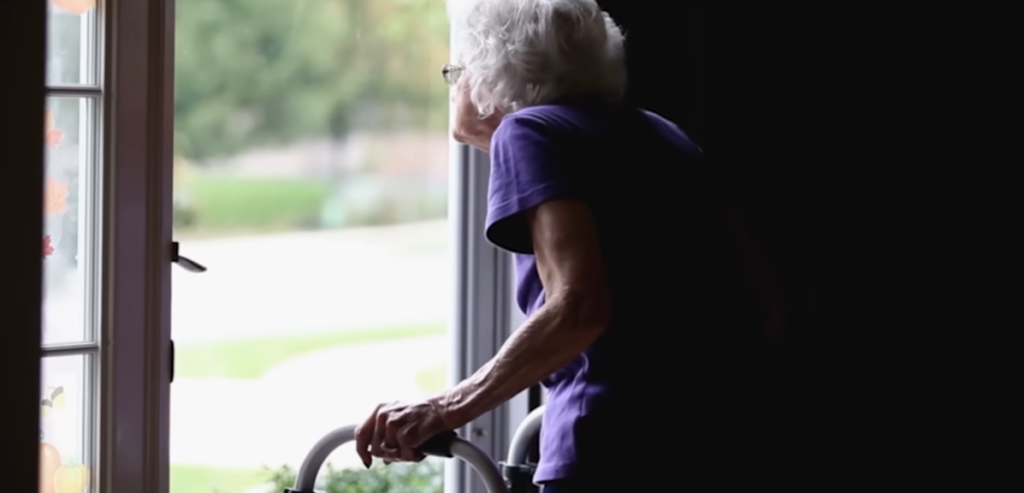
As a result, the emphasis is now on healthspan, or the amount of years spent in good health, rather than just lifespan. The difficulty lies in making sure that the extra years are spent free from cognitive decline, chronic illness, or disability rather than just adding time. This strategy is working especially well for older populations since it prioritizes quality over quantity.
A change in philosophy is also becoming apparent. As early as 1990, some scientists, including S. Jay Olshansky, projected that increases in life expectancy would eventually slow. He believed that aging was a natural biological process that could only be controlled. However, some people think that aging itself can be reprogrammed, even reversed. They identify precision medicine, senolytics, and stem cell therapies as potential means of surpassing the existing limit on human longevity.
Those solutions are still mostly speculative at this time. The most promising strategies have not yet demonstrated their long-term safety or efficacy at scale, and there are still few human trials for aging-related treatments. Real-world biology is still based on more conservative results, despite science fiction frequently hinting to the possibility of people living beyond 200.
At the same time, other nations have briefly bucked the downturn. South Korea and Hong Kong benefited from specific policies including extensive health reform and vigorous anti-smoking programs. Even these achievements, though, appear to be coming to a standstill. There are fewer and fewer prospects for significant extension as lifestyles change and illness patterns change.
It’s interesting to note that actuarial models are adapting appropriately. Pension plans and insurance companies no longer anticipate dramatic increases in longevity. Rather, they are modeling for stability, which is indicative of a growing understanding that the years of easy improvement may be coming to an end. Although it may be slight, this recalibration represents a more comprehensive reevaluation of what is biologically feasible.
My grandma, who is currently in her late 90s, frequently makes jokes about having outlived her usefulness. She is surrounded by memories and receives normal care, which allows her to live a relatively peaceful life. Her age has limitations but also dignity. Observing her gentle decline has served as a reminder that meaningful life requires both long life and ongoing well-being.
According to the most recent demographic forecasts, the number of people who will reach 100 will increase, although not at an exponential rate. For example, just 12% of girls born today in Japan are predicted to live to be centenarians. That number falls precipitously to slightly over 3% in the US. Although these figures are remarkable in the past, they do not portend an indefinite increase.
What happens if we’ve reached a biological shelf?
We can still change the aging experience by concentrating on health optimization. Personalized treatment regimens, genetic screening, and AI-assisted monitoring have already proven to be quite successful in extending healthy years. Instead of striving toward extremes, we may start posing the question, “How can we ensure that each year, however many there are, is lived fully and independently?”
The mechanisms that make aging reversible or significantly slower may eventually be discovered as science develops. However, the present is an incredibly rich chance to make our aging years less about decline and more about resilience, even if that future takes longer to arrive than we had anticipated.
Unlike anti-aging medicines or immortality businesses, this revolution is more subdued and doesn’t garner as much media attention. However, treatment is gradually changing to accommodate longer lives in homes, clinics, and hospitals—even if those lives cease to lengthen.
