

The company itself isn’t the first thing that makes Swarmer stock stand out. It’s the velocity. The numbers on the screens jump so fast that it almost seems unreal—$5 at launch, then $30, then momentarily over $60. It seems like the market isn’t merely responding to fundamentals when you see that kind of movement. It’s responding to something more primal, almost sentimental.
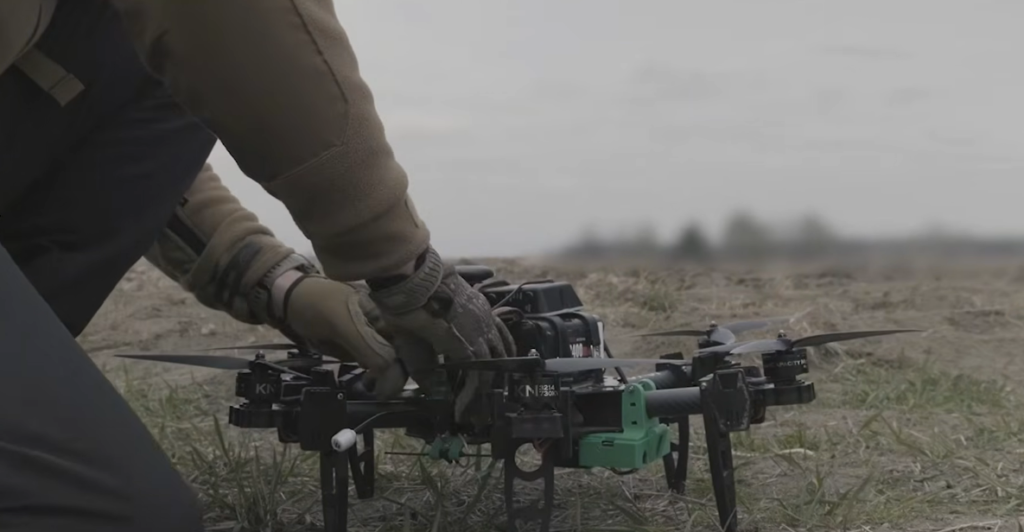
Swarmer is not a well-known brand. Not just yet. It was founded a few years ago and develops software that enables multiple drones to be controlled simultaneously by a single operator, even in situations where signals are jammed. The kind of technology that seems more like it belongs in a battlefield briefing than a pitch deck from Silicon Valley. This “combat-proven” narrative, linked to practical application in Ukraine, might be as effective as the financials themselves.
| Category | Details |
|---|---|
| Company | Swarmer, Inc. |
| Ticker Symbol | SWMR (NASDAQ) |
| Industry | Defense Technology / AI Drone Software |
| Founded | 2023 |
| Headquarters | Austin, Texas, United States |
| Core Product | Drone swarm control software (AI-powered) |
| IPO Price | $5 per share |
| Peak Price (Early Trading) | ~$65 |
| Key Technology | Trident OS, Styx platform |
| Market Focus | Military drones, autonomous systems |
| Reference Links | Yahoo Finance – Swarmer Stock |
| Investing.com – Swarmer Inc |
Conversations at trading desks have rapidly changed. It’s just another initial public offering (IPO) one minute and the most talked-about ticker of the week the next. Leaning over screens, traders watch as volume soars well above the initial number of shares offered. The frequency with which the same shares appear to switch hands—flipped repeatedly, chasing momentum—is difficult to ignore.
However, the numbers reveal a more subdued tale. The annual revenue is slightly over $300,000. Millions of dollars are lost. An obvious question is raised by the contrast between modest business scale and explosive valuation. It appears that investors are purchasing future potential rather than current reality. It’s still unclear if that belief is true.
This pattern has a familiar quality. The quick increase, the high retail involvement, and the abrupt declines. It is reminiscent of past market moments when narratives outpaced balance sheets. However, the background is different this time. The importance of defense technology has increased, particularly with regard to drones and autonomous systems. The demand feels less theoretical, governments are spending more, and conflicts are changing.
It is difficult to ignore the volatility, though. The stock starts to decline after rising above $60, not sharply at first but enough to alter the mood. A few percentage points down, then more. It’s the type of movement that implies hesitation beginning to show, but it doesn’t necessarily indicate collapse. Early-arriving investors begin to question whether they were too late.
It’s simple to overlook the human element that exists outside the numbers. There is a certain allure to the concept of drone swarms—machines that coordinate in real time and adjust when necessary. It feels urgent, contemporary, and even unnerving. And the perception of the stock appears to be influenced by that emotional burden. It’s more than just a business; it’s connected to a larger change in the way technology is used and wars are fought.
How Swarmer fits into the broader defense ecosystem is still unknown, though. There are established players with more extensive resources and a longer history. Speed and specialization seem to be Swarmer’s advantages, but it’s unclear if this will result in long-term contracts or consistent income. Although the backlog numbers seem encouraging, they are still insufficient to support the current valuation.
Another issue is the lack of guidance, which is something that investors typically rely on. No long-term earnings projections, no widely accepted price targets, and no analyst coverage. Speculation fills in the gaps created by that void. That can occasionally be advantageous to a stock. At other times, it exposes it.
As this develops, it seems that Swarmer stock is now more about momentum than valuation. The type of trade where timing is more important than analysis. Everyone keeps a watch on the exit, while early buyers celebrate significant gains and latecomers attempt to read the signals.
However, there might be a legitimate business attempting to create something worthwhile beneath the cacophony. The technology is real. The demand is real, especially in the defense industry. Over time, Swarmer might grow into its valuation and disprove early doubters. Another possibility is that expectations have just outpaced reality.
