

The initial photos from the Winter Paralympics in 2026 are oddly lovely. Under contemporary stage lights, a 2,000-year-old Roman amphitheater is illuminated. In the chilly Italian night, snow athletes stood silently waiting while wearing sit-skis, prosthetics, and heavy jackets. Above Verona, flags drifted slowly through the air.
There was a sense that history was being layered in real time as the opening ceremony took place inside the historic Arena di Verona. Here, gladiators were once staged by Rome. Now, competitors in wheelchairs, sleds, and skis, rather than warriors in armor, entered the arena after years of rebuilding their bodies and lives. The symbolism is difficult to miss.
March 6 marked the official start of the Milano Cortina 2026 Winter Paralympics, which brought over 600 athletes from about 55 countries to Italy. Over the course of ten days, they will compete in six different sports, vying for 79 medals that will be dispersed throughout northern Italy’s frozen tracks, icy rinks, and mountain slopes. Just the scale seems important.
However, the statistics only provide a portion of the picture.
| Event | 2026 Winter Paralympic Games |
|---|---|
| Official Name | Milano Cortina 2026 Winter Paralympic Games |
| Dates | March 6 – March 15, 2026 |
| Host Country | Italy |
| Opening Ceremony Venue | Verona Arena |
| Closing Ceremony Venue | Cortina Olympic Ice Stadium |
| Athletes | About 600+ |
| Participating Nations | Around 55 |
| Medal Events | 79 |
| Sports | 6 (Para alpine skiing, biathlon, cross-country, ice hockey, snowboard, wheelchair curling) |
| Governing Body | International Paralympic Committee |
| Official Motto | “IT’s Your Vibe” |
| Reference | International Paralympic Committee: https://www.paralympic.org/milano-cortina-2026 |
| Additional Information | Olympics Official Website: https://www.olympics.com/paralympic-games |
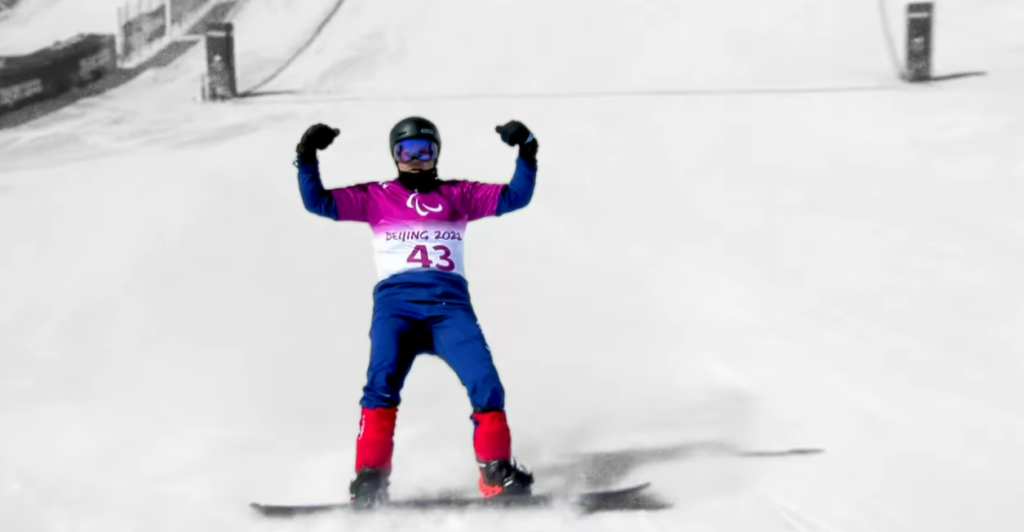
The atmosphere in Cortina d’Ampezzo this week is different from that of the Olympics, which ended just a few weeks ago. There are fewer people there. It makes less noise. Oddly enough, though, the intensity seems greater. During training runs, athletes glide past on sit-skis, their faces composed but focused, their upper bodies pressing hard against the poles. With the meticulous patience of watchmakers, nearby technicians adjust equipment.
Perhaps the Paralympics are better suited to this more subdued setting. Less show. greater focus on the athletes themselves.
Their own unique drama is inherent in the sports themselves. Perhaps the most eye-catching is para alpine skiing, which sends competitors hurtling down steep courses at terrifying speeds. Some are sitting in monoski rigs that resemble a cross between an engineering experiment and a racing machine, while others are ski standing with prosthetic limbs. One gets the uneasy feeling that gravity doesn’t quite work here as they carve turns down the Olympia delle Tofane slope.
Then there is para biathlon, a sport that combines precision and endurance in ways that seem almost incompatible. Ski hard. Stop, then shoot. Do it again. After racing a few kilometers, athletes calmly aim at metal targets that are only ten meters away. The clock will punish you if you miss a shot. That rhythm—chaos followed by silence—has an almost poetic quality.
Naturally, sled hockey continues to be the sport that draws in new viewers the fastest. There is typically a moment of disbelief when someone first sees it. As fiercely as in any NHL game, players collide as they fly across the ice on sleds, pushing themselves forward with sharp metal picks on their sticks. It moves at an unrelenting pace. The puck is already in the corner if you blink.
It is impossible to overlook the larger cultural context. The Winter Paralympics, which started in 1976 as a much smaller and less well-known competition, will celebrate their 50th anniversary in the 2026 Games. The event had a hard time getting media coverage back then. Many were hardly aware of its existence.
Today, it has millions of online viewers, international television broadcasts, and dozens of nations.
However, it remains uncertain if the Paralympics will ever receive the same level of attention as the Olympics. Sponsors appear to be interested. Coverage is being increased by broadcasters. However, there is still a perception that these athletes are marginally out of the public eye in sports.
Maybe that is slowly changing.
Within the Paralympic community, some athletes already enjoy celebrity status. American cross-country skier and biathlete Oksana Masters, one of the most decorated athletes in Paralympic history, travels to Italy in search of another medal. She clearly carries experience and expectation, as evidenced by the way she sailed through training sessions earlier this week while surrounded by coaches and camera crews.
The emotional core of these Games is often shaped by veterans like her.
The most intriguing tales, however, may come from the newcomers—athletes making their first appearance at the Paralympics and entering arenas they had previously only seen on TV. Before a practice run, a snowboarder adjusts a prosthetic binding. In Tesero, a cross-country skier was testing the track and laughing uneasily. Little incidents that rarely garner media attention but stick in people’s memories.
Northern Italy appears subtly proud to be hosting the Games outside the venues. Verona’s streets feature Paralympic banners next to buildings that date back hundreds of years. Ramps and redesigned walkways, which were partially funded by government investment prior to the event, are examples of accessibility improvements that have been made to public areas.
The medals may not last as long as those changes.
Additionally, these competitions have a deeper message. Officials from the International Paralympic Committee frequently discuss human resilience and inclusivity. At times, the words may sound ritualistic, almost scripted. However, the message ceases to feel abstract when a visually impaired athlete races downhill under the guidance of a voice in an earpiece.
It comes to life.
Looking ahead, the typical Olympic drama of unexpected wins, devastating crashes, and unlikely comebacks is probably in store. Seldom does that pattern break.
However, medal tables and highlight reels might not adequately capture the true impact of the 2026 Winter Paralympics. It might show up in more subdued situations, such as when a child first sees a sit-ski racer on TV and realizes what’s possible.
Disclaimer
Nothing published on Creative Learning Guild — including news articles, legal news, lawsuit summaries, settlement guides, legal analysis, financial commentary, expert opinion, educational content, or any other material — constitutes legal advice, financial advice, investment advice, or professional counsel of any kind. All content on this website is provided strictly for informational, educational, and news reporting purposes only. Consult your legal or financial advisor before taking any step.
