

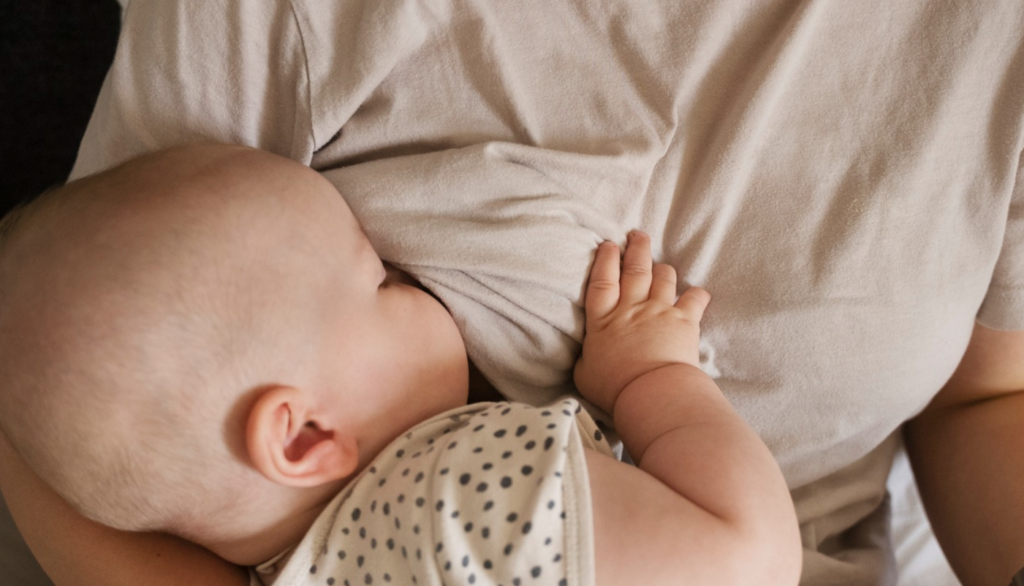
When people discuss breast milk in the same way that they discuss used electronics or furniture, it’s unnerving. Posts like “100 ounces frozen,” “dairy-free donor,” and “local pickup only” blend together when you browse through specific parenting groups on the internet. Occasionally, a sweet and comforting picture of a baby is included, seemingly as evidence of innocence. These pictures may be intended to foster trust, but they also give away how intimate and vulnerable this new market is.
At midnight, a mother might be standing over her freezer in a quiet suburban kitchen, carefully writing labels on plastic bags. After all, breast milk is more than just food. Time, fatigue, and biology are to blame. But more and more, it’s also money. Families are turning to strangers on the internet when they are unable to produce enough milk or when they are under a lot of pressure to avoid formula. As you watch this happen, you get the impression that hope and desperation are mingling equally.
The appeal is clear. Breast milk, which is rich in antibodies and nutrients specifically designed for babies, has long been referred to as “liquid gold.” When parents purchase it, they frequently think they’re making the best decision possible. And they most likely are at times. However, these peer-to-peer exchanges frequently take place without screening, testing, or pasteurization, in contrast to regulated milk banks. Many parents still don’t seem to understand the full implications of that absence.
| Item | Details |
|---|---|
| Topic | Peer-to-peer breast milk sharing and online breast milk markets |
| Key Concern | Unregulated milk may carry bacteria, viruses, drugs, or contaminants |
| Health Authority Position | Major health agencies discourage obtaining milk from unknown individuals |
| Safer Alternative | Certified milk banks screen donors and pasteurize milk |
| Social Context | Growth driven by formula shortages, breastfeeding pressure, and online platforms |
| Key Organizations | Human Milk Banking Association of North America; U.S. Food and Drug Administration |
| Reference Links | FDA – Use of Donor Human Milk • Newsweek – Hidden Dangers of the Online Breast Milk Market |
Research on milk bought online has revealed contamination that is hard to ignore. bacteria brought on by incorrect storage. Cow’s milk traces were added, presumably to extend the supply. Given the potential for severe reactions in infants with allergies, that detail feels particularly concerning. Once frozen, the milk may appear exactly the same, arranged in rows like any other.
Another unpleasant reality that is rarely brought up in happy Facebook conversations is the spread of disease. Even in cases where donors seem healthy, viruses like hepatitis or HIV can spread through breast milk. A mother may honestly think that her milk is safe, never realizing that she is carrying something unseen. In this market, trust frequently takes the place of verification.
The extent to which this economy is based on belief is difficult to ignore. Many donors frame their milk as a gift rather than a commodity, describing themselves as helpers rather than sellers. That generosity is genuine. However, the introduction of money, even in small amounts, alters the emotional climate. A transaction raises questions. The majority of participants may be truthful, but the system secretly makes unproven assumptions.
Deeper social pressures are also reflected in the growth of the milk market. Despite being natural, breastfeeding isn’t always simple or even feasible. Nursing can be challenging for some moms due to health issues, stress, or work schedules. Others who use formula are subject to subtle criticism and hear remarks that are left unanswered for longer than intended. During those times, purchasing breast milk may seem more like a moral requirement than a personal choice.
This sentiment was further heightened by the recent shortages of formula. Parents were left staring at empty store shelves where food ought to have been. Informal milk markets swiftly grew in that void, meeting a need that no institution was able to promptly address. Although investors haven’t formally defined this area yet, there is a belief that business will eventually follow where demand increases.
However, the fact that breast milk is sold online does not alter its physical reality. It goes bad. It takes up chemicals from the surroundings. It shows the donor’s stress levels, food, and even medications. It is incredibly human and unpredictable, in contrast to products made in factories. Without supervision, standardization is practically impossible due to this unpredictability.
In order to lower risks, certified milk banks pasteurize milk and carefully screen donors. However, they are scarce and frequently saved for premature or medically fragile babies. Many families are left in a precarious situation due to this scarcity, torn between informal access and institutional safety. This gap might get wider before getting smaller.
The exchange itself has a subtly emotional quality as well. Mothers gathering in parking lots, smiling nervously as they pass coolers. One wants to be helpful, the other wants to be trusted. It doesn’t feel like commerce in the conventional sense at these times. Because of the common fear of failing a child, they seem more like mutual vulnerability.
Disclaimer
Nothing published on Creative Learning Guild — including news articles, legal news, lawsuit summaries, settlement guides, legal analysis, financial commentary, expert opinion, educational content, or any other material — constitutes legal advice, financial advice, investment advice, or professional counsel of any kind. All content on this website is provided strictly for informational, educational, and news reporting purposes only. Consult your legal or financial advisor before taking any step.
