

Viral DNA is probably not what you would think is responsible for your current state of health. But hidden deep within the human genome, remnants of an old virus are subtly influencing how our systems fight against illness. These pieces, which scientists refer to as Human Endogenous Retroviruses, or HERVs for short, have long been disregarded yet are now demonstrating an extraordinary ability to protect us.
They were like lost whispers that were passed down from ancestor to ancestor, entering our DNA thousands or perhaps millions of years ago. They were initially only remnants of the illnesses that afflicted early humans. Some of these sequences were co-opted into our biological systems and used for other purposes over time. The idea that these so-called viral relics are vital rather than useless is a remarkably common theme among contemporary research.
A protein known as Suppressyn is among the most fascinating examples. Suppressyn is a molecular bouncer that is derived from an ancient retrovirus. By attaching itself to the same cell receptors that certain contemporary viruses seek to enter, it effectively locks the door before the viruses can even knock. This is especially helpful during pregnancy, when the immune system needs to strike a balance between tolerance and defense. Suppressyn protects the growing fetus by preventing infections at the cellular level, where timing is crucial.
Another HERV-derived protein that performs an almost poetic function is called syncytin, which aids in the formation of the human placenta. Without it, animals might not be what they are today. Syncytin promotes cell fusion, forming the protective and nourishing barrier between mother and child. The structure that supports human existence is currently built using what started out as a virus’s method of taking over host cells.
| Key Detail | Explanation |
|---|---|
| What it is | Human Endogenous Retroviruses (HERVs), ancient viral DNA embedded in human genome |
| How much | Roughly 8% of human DNA contains these ancient viral traces |
| Main functions | Aid immune defense, block modern virus entry, support placenta development |
| Key proteins | Syncytin (placenta), Suppressyn (antiviral function), others under research |
| Medical potential | Cancer therapy, viral resistance, immune system activation |
| Scientific significance | Shows viral DNA isn’t “junk” but an active part of evolutionary survival |
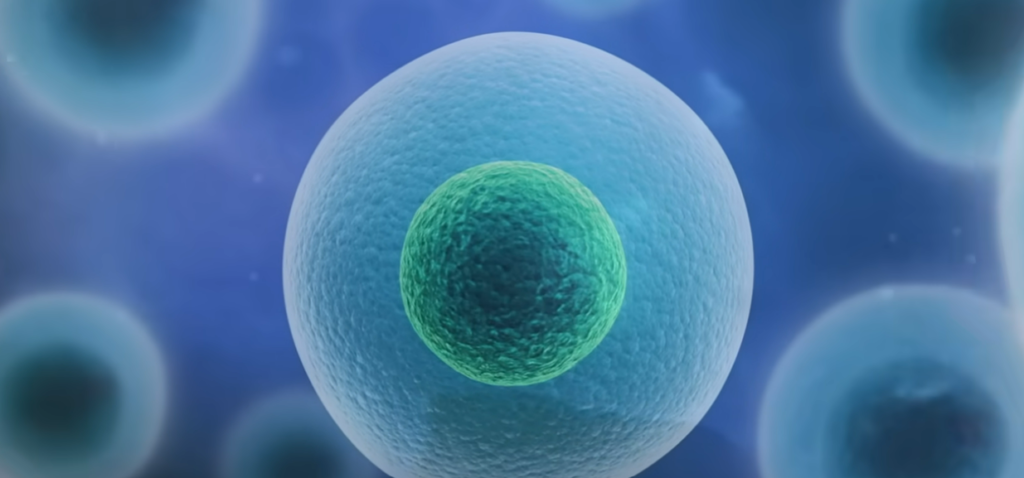
These ancient genes change throughout time. They continue to react to dangers. Scientists have shown that some HERVs activate during viral outbreaks, aiding in the production of antiviral proteins or the activation of immune cells. Even if it was written under other circumstances and at a different period, the body seems to be perusing an old instruction manual that is unexpectedly applicable today.
Researchers are starting to comprehend how dynamic this relationship is by using cutting-edge genetic technologies. They are investigating the possibility of developing novel cancer treatments by reactivating these viral components. Scientists think they can utilize HERVs to identify cancer cells and initiate an immune response where none previously existed since the immune system reacts strongly to viral proteins. The combination of evolutionary biology with next-generation medicine makes this approach, which is yet experimental, especially novel.
One study from 2023 that particularly caught my attention was the discovery of elevated HERV activity in placenta cells during viral infection. Instead of being overpowered, these cells adjusted and used proteins like Suppressyn as a first line of defense. As I read that research, I thought about how strange it is that a body’s survival instinct might be partially delegated to the leftovers of something it once dreaded.
This isn’t exactly a redemption story. Viruses continue to seriously injure people. However, the topic of how much human resilience is based on compromise is intriguingly brought up. Some of these viral codes were retained by evolution, albeit modified, controlled, and included into our fundamental survival toolset. It serves as a reminder that biology seldom wastes a useful trick.
In our genome, not all viral DNA is beneficial. In rare instances, some are idle or even disruptive. However, the increasing number of instances in which HERVs are performing actual, quantifiable good is what makes this topic so evident. They’re not scraps. They make contributions.
About 8% of our DNA, according to scientists, is derived from these old infections. Compared to certain species we used for genetic comparisons, that is more than we have in common. For a long time, this viral material was just categorized as “junk DNA,” which was a catch-all phrase for unidentified sequences. That label now appears to be purposefully deceptive in addition to being out of date.
In recent years, the focus of study has changed from identifying harmful mutations to investigating advantageous aberrations. At the center of that change are HERVs. They have a profound impact on immune system performance, brain health, and even early development. According to some research, they might influence how the brain reacts to outside dangers or manages inflammation. Although it’s early, the results are becoming more popular.
Evolutionary science and molecular biology are being combined to help us see the wider picture. Making peace with biological invaders is just as important to human evolution as adjusting to changes in the environment. That uneasy connection is demonstrated by HERVs, which are encoded in our cells and inherited with unexpected loyalty.
In the upcoming years, scientists will look at how these old viral genes could affect autoimmune diseases or be altered to create vaccines. We may soon be able to create immunity against diseases we haven’t yet seen by using components of dead viruses, if those attempts prove successful.
That has a very humble quality to it. Our survival may now be protected by the same genetic stowaways that formerly threatened it. They are ingrained in our cells, functioning in the background like worn-out protectors—silent but important.
Hence, the next time you hear someone say that DNA is a blueprint, keep in mind that some of its lines were created by ancient viruses, conserved by evolution, and are now being read again by science with a new purpose. And we truly serve as living evidence that even the most enduring adversaries can turn into unanticipated allies.
Disclaimer
Nothing published on Creative Learning Guild — including news articles, legal news, lawsuit summaries, settlement guides, legal analysis, financial commentary, expert opinion, educational content, or any other material — constitutes legal advice, financial advice, investment advice, or professional counsel of any kind. All content on this website is provided strictly for informational, educational, and news reporting purposes only. Consult your legal or financial advisor before taking any step.
