

If you have ever heard of an axolotl, you are most likely familiar with the odd-looking amphibian that never ages. A scientific treasure trove can be found beneath that inquisitive exterior. When an axolotl loses a limb, it doesn’t become anxious. It gets better. Totally. And with astounding precision.
It is not a random ability. Genes like Hand2 and Lin28a, which are also present in humans, direct it. These genes actively shape the limbs and organs of the fetus during development. After birth, however, they are hushed or turned down. The issue that researchers are now daring to pose is: what if we could switch them back on?
Amazingly, research indicates that individuals may still possess the biological instructions necessary for regeneration. They simply wait for the proper signal while dormant. Additionally, such signal could occasionally be as simple as adrenaline. According to research by Jessica Whited of Harvard, an axolotl’s whole body—not just the wound site—activates in response to an injury. All across the body, cells begin to change course and get ready to grow again. It seems that one important messenger in that process is adrenaline.
| Aspect | Details |
|---|---|
| Species Studied | Axolotls and salamanders |
| Key Genes Identified | Lin28a, Hand2, Shox, Wnt |
| Gene Function | Guide limb development, positional identity, and regenerative growth |
| Scientific Goal | Activate dormant regeneration pathways in humans |
| Major Challenge | Human scar formation prevents blastema creation |
| Current Focus | Manipulating gene signals, bioelectricity, and protein combinations |
| Long-Term Possibility | Potential for human limb regrowth and scarless healing |
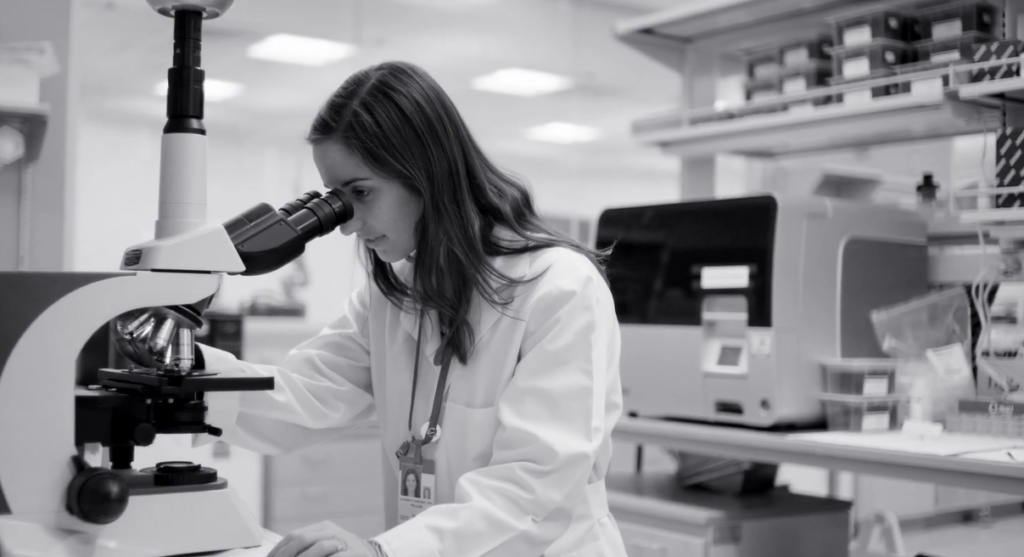
Researchers are going beyond single-gene solutions, which is really novel. Teams are overlaying chemical gradients, hormone therapy, and bioelectric currents at organizations like the Salk Institute to simulate the blastema environment, which is the cellular soup from which salamanders grow new limbs. By varying the timing and intensity of these cues, they are trying to mimic a biological orchestra that amphibians have developed via nature.
Reactivating Lin28a in one mouse experiment resulted in tissue development that far above typical healing. The Shox gene was the subject of another research that revealed limb deformities due to improper signaling, a pattern that is remarkably comparable to some human growth abnormalities. These similarities are useful in medicine in addition to being intriguing from an intellectual standpoint.
Challenges still exist. Humans quickly create scar tissue, which seals wounds and prevents them from healing. In contrast, salamanders postpone closure and instead create a blastema. Researchers are now trying to stop scarring long enough to encourage cells to regenerate. With the help of precision scaffolding and protein reprogramming, they hope to establish a platform that will allow cells to safely develop into the skin, blood vessels, or bone that the body requires.
Though it may seem far off, the possibility of regrowing a limb is no longer just conjecture. It seemed like a moonshot to map the human genome just twenty years ago. Today, it’s very commonplace to change that genome. It is a history of medical science catching up to its most audacious aspirations.
Attempting to recreate what was lost—not with metal and mechanics, but with the fundamental tissue that makes us up—has a distinctly human quality. If this research is successful, trauma might not end with loss but rather start a process of recovery in the future.
Consider a soldier who grows a leg again. A child who has suffered a severe burn yet is not scarred. Reclaiming a hand from a car accident survivor. Not only are these stories for the far future, but scholars are quietly and resolutely working toward them now.
And if the manual has already been written by nature, all that needs to be done is learn to read it again.
Disclaimer
Nothing published on Creative Learning Guild — including news articles, legal news, lawsuit summaries, settlement guides, legal analysis, financial commentary, expert opinion, educational content, or any other material — constitutes legal advice, financial advice, investment advice, or professional counsel of any kind. All content on this website is provided strictly for informational, educational, and news reporting purposes only. Consult your legal or financial advisor before taking any step.
