Singapore has been quietly perfecting the methodical cultivation of genius, an art that many countries strive for but few actually master. Despite being serene and orderly, its classrooms are bustling with activity that seems to be incredibly successful at forming intelligence. Every student is taught the belief that intelligence is developed via hard work, curiosity, and a profound respect for education.
Singapore’s transformation is especially innovative because it does not rely on costly educational overhauls or theatricals. It functions precisely, with each cog in line with a greater goal, much like a fine watch. Every initiative, from its national focus on research and innovation to its Gifted Education Programme (GEP), feels like it was created with the intention of identifying and developing potential. Designed to identify children who think differently, rather than just those who memorize well, the system is remarkably effective.
Singapore makes sure that intellectual promise isn’t limited to grades alone by utilizing thorough assessments and holistic evaluations. Students’ critical thinking, creativity, and adaptability—skills that traditional education frequently ignores—are assessed. This strategy has greatly enhanced the way that young brains are formed, guaranteeing that the finest talent in the nation does not become obscure.
Profile Table
| Category | Details |
|---|---|
| Name | Singapore |
| Focus | Education system and talent development |
| Notable programme | Gifted Education Programme (GEP) |
| Key strengths | High STEM scores, strong gifted-student pathways |
| Reference | https://www.researchgate.net/publication/258150666_Addressing_the_Needs_of_the_Gifted_in_Singapore ResearchGate+2api.research-repository.uwa.edu.au+2 |
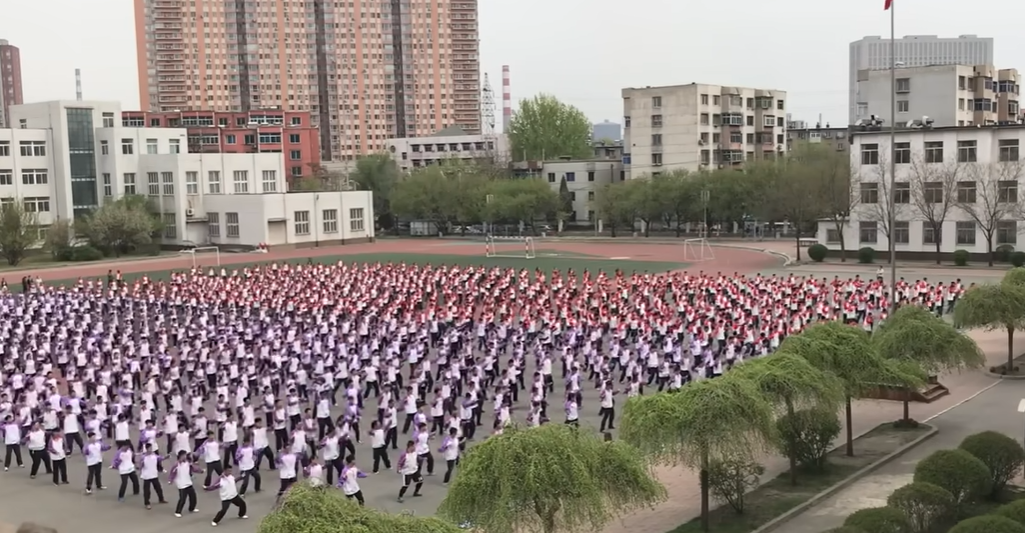
In this process, educators are crucial. They are mentors and learning scientists who have received training from the National Institute of Education. They observe and hone their craft with incredible dedication. Their training is very effective, emphasizing the development of emotional intelligence and adaptive skills in addition to technical proficiency. As a result, the educational system feels both visionary and human, and it produces students who are not only smart but also emotionally stable and socially conscious.
This has an equally potent cultural underpinning. In Singapore, academic achievement is ingrained in the social fabric and is not just celebrated. By treating education as a shared responsibility, parents, educators, and legislators create an atmosphere that normalizes intellectual ambition rather than puts pressure on it. Students have benefited greatly from this collaborative ethic in terms of maintaining their motivation without experiencing burnout.
The nation’s strategic emphasis on STEM fields—science, technology, engineering, and mathematics—is counterbalanced by the arts and humanities. The goal is to produce well-rounded thinkers who are empathetic, creative, and reflective rather than mindless automatons. Students frequently work on practical projects that connect abstract concepts to practical uses, giving them a very distinct and captivating sense of purpose.
Another indication of Singapore’s foresight is its capacity to convert academic achievement into worldwide innovation. The nation has developed a pipeline of indigenous innovators propelling industries forward by coordinating its educational system with national priorities in research, sustainability, and digital transformation. Its careful, purposeful, and incredibly successful city planning is remarkably similar to this smooth integration of education and the economy.
It’s interesting to note that Singapore’s accomplishments in education are subtle rather than conspicuous. Even though its students routinely top the PISA rankings, the system is still not widely known. The emphasis is on contribution rather than competition, and each student is urged to view their intelligence as a benefit to society rather than a trophy. This way of thinking has significantly increased young people’s sense of civic duty by connecting their academic endeavors to the goals of the country.
Singapore’s approach seems surprisingly realistic in comparison to other countries. It depends on cultural coherence rather than just wealth or technology. Singapore’s progress feels natural and is supported by values rather than vanity, in contrast to nations like the US and the UK that strive for reforms and metrics. Year after year, its results are incredibly dependable due to this stability.
The humility with which Singapore views success is especially admirable. Even when it tops the charts, it keeps reforming itself. Curriculum is regularly updated by the Ministry of Education, which places a strong emphasis on empathy, creativity, and inquiry. The objective is to prepare students for a life of meaningful contribution, not just for tests. It’s a very flexible method of education that can be adjusted to meet both the ever-changing needs of people and the quick changes in technology.
This quiet revolution has an effect outside of the classroom. Singaporean graduates are frequently praised by businesses, research institutes, and startups throughout Asia for their ethical work practices and problem-solving skills. These people can lead projects with a sense of balance between creativity and accountability because they are visionary rather than just task-driven. This equilibrium is especially helpful at a time when artificial intelligence and automation are threatening to stifle original thought.
Disclaimer
Nothing published on Creative Learning Guild — including news articles, legal news, lawsuit summaries, settlement guides, legal analysis, financial commentary, expert opinion, educational content, or any other material — constitutes legal advice, financial advice, investment advice, or professional counsel of any kind. All content on this website is provided strictly for informational, educational, and news reporting purposes only. Consult your legal or financial advisor before taking any step.