

At STEM camps these days, Kairan Quazi’s name floats about like a myth—part legend, part evidence that someone barely into their teens can land a job with Elon Musk’s aerospace giant. His hiring at 14 was hailed as headline gold. Yet, for many middle schoolers (and their parents), the question remains: does SpaceX genuinely provide internships to kids that age?
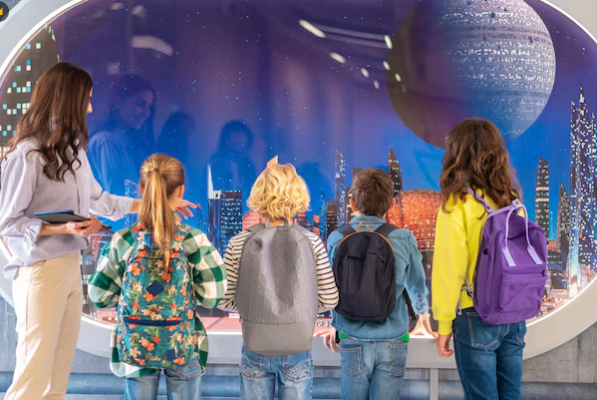
Technically, the answer is no. SpaceX’s internship program is largely intended for students enrolled in a four-year college or a graduate school. It’s demanding, competitive, and meant to deliver you genuine hardware challenges—not simply coffee runs. Still, Quazi’s story, however rare, has triggered a tsunami of possibility. Suddenly, the picture of a sixth grader discussing thrust-to-weight ratios feels a little less like dream.
Key Facts About SpaceX’s Internship Program
| Category | Detail |
|---|---|
| Organization | SpaceX |
| Internship Eligibility | Typically for university-level students (undergrad or graduate) |
| Middle School Access | No formal internships for middle school students |
| Exception Noted | Rare hires like Kairan Quazi (age 14), not part of standard programs |
| Focus Areas | Engineering, software, and business operations |
| Experience Offered | Hands-on projects with real spaceflight hardware |
| Alternatives Suggested | NASA or STEM programs aimed at younger students |
| External Link | SpaceX Internships |
Treating interns as contributors rather than stand-ins has helped SpaceX establish its reputation. Interns in engineering collaborate with full-time employees on real spaceflight components. Business interns can find themselves coordinating supply chain logistics or assisting to launch readiness planning. These are not padded résumé builders—they’re trenches where actual engineering fights are fought.
Recently, I met a seventh grader at a STEM exhibition in northern California. His Raspberry Pi-powered satellite tracker wasn’t just impressive—it was deeply functional. When I inquired what inspired him, he answered, “I saw a video where Elon Musk said we need to be a multiplanetary species. I want to help.” That kind of quiet certainty, however precocious, echoes something more than mere fandom.
Yet, a deeper look reveals how regimented the SpaceX intern program actually is. According to their official listings, applicants are expected to have a GPA around 3.5 or better. Many interns also come ready with many hands-on projects, some even with patents or research credits. These students frequently have prior experience with advanced software development, propulsion systems, or mechanical design.
So where does it leave the 12-year-old who dreams of Mars?
It’s interesting to note that although there isn’t currently a pipeline that allows middle school students to start a Falcon 9 schematic analysis right away, other channels are starting to open. NASA provides mentorship laboratories and mission simulations as well as other student engagement activities for younger students. Similarly, private space-themed learning platforms are emerging to offer virtual engineering labs, robotic kits, and coding environments specifically geared for preteens.
One could argue that these initiatives serve as soft launchpads—early test beds for those who may one day arrive at Hawthorne not for a tour, but for a badge.
Younger brains are discovering opportunities to showcase their skills through online platforms like YouTube and GitHub. Whether it’s open-source avionics software or Arduino-controlled model rockets, they’re establishing portfolios—just lot earlier than intended.
If it so desired, SpaceX could create a formal mentorship pipeline by collaborating with schools and supporting young competitions. Not an internship, but a preliminary orbit.
During a press roundtable last year, a SpaceX hiring manager was asked about younger talent. His reaction was honest: “We look for those who can take ownership. Age isn’t a limiter—but experience and contribution are.” That nuance counts. SpaceX isn’t putting age limits. However, they are establishing standards. elevated ones.
I recall halting when I first read about Kairan’s part. Not because I denied his capacity, but because it provoked a deeper thought: what type of ecosystem raises a child with that level of technical maturity?
That’s the crux. SpaceX didn’t construct him. His family, school, community, and personal discipline did. What SpaceX did was just recognize it early. Though uncommon, this kind of acknowledgment is starting to alter our perceptions of what is possible, particularly for Gen Alpha, who view space as something attainable rather than abstract.
For the time being, you will need to create your own flight route if you are a middle school student with aspirations of designing spacecraft or traveling to other planets. Become a member of robotics clubs. Construct things that fail horribly. Late at night, tinker. Email scientists who might never respond. And when you’re old enough, come into SpaceX’s intern site with a portfolio that speaks for itself.
And perhaps one day, middle school internship listings won’t seem so far-fetched. After all, the generation today learning rocket mathematics on TikTok will soon be constructing the boosters for real.
