

After using a new OnePlus phone for three days or so, there comes a time when something clicks. Not only is the phone quick. It seems deliberate. Scrolling has the proper amount of weight. Unlike some rival skins, animations don’t linger a half-second too long. It’s difficult to ignore the fact that someone, somewhere, has given careful thought to how a phone should truly feel. The OxygenOS team is that person.
OxygenOS was introduced in March 2015 as a result of OnePlus’s desire to provide its expanding global user base with an Android version free from the bloat and geographical limitations of its Chinese equivalent, HydrogenOS. Over the past ten years, what began as a fairly simple Android fork has subtly developed into one of the most well-thought-out mobile operating systems available on any device at any price point. That’s a big deal.
OxygenOS 16, which is currently installed on the majority of OnePlus devices, is a major improvement over the previous version of the platform. It is based on Android 16 and offers improved lock screen customization, deeper AI integration, and gaming modes that feel more practical than showy. In comparison to low-cost devices running the same software version, the OnePlus 15 running OxygenOS 16 is, by most accounts, a different class of experience. Tech outlets have begun to take this comparison more seriously, with side-by-side tests showing how much hardware and software optimization intersect on flagship models.
OxygenOS: The Android Experience That Refuses to Be Ordinary
| Category | Details |
|---|---|
| Full Name | OxygenOS |
| Developer | OnePlus (BBK Electronics subsidiary) |
| Type | Android-based Mobile Operating System |
| Initial Release | March 2015 |
| Platform | Exclusively OnePlus smartphones and tablets |
| Current Version | OxygenOS 16 (Android 16-based) |
| Chinese Counterpart | HydrogenOS (discontinued/merged) |
| Target Market | Global / Overseas markets |
| Key Features | Speed optimization, AI integration, customization, clean UI |
| Latest Update | B50P01 (rolled out March 16, 2026) |
| Official Website | OnePlus OxygenOS |
| Wikipedia Reference | OxygenOS — Wikipedia |
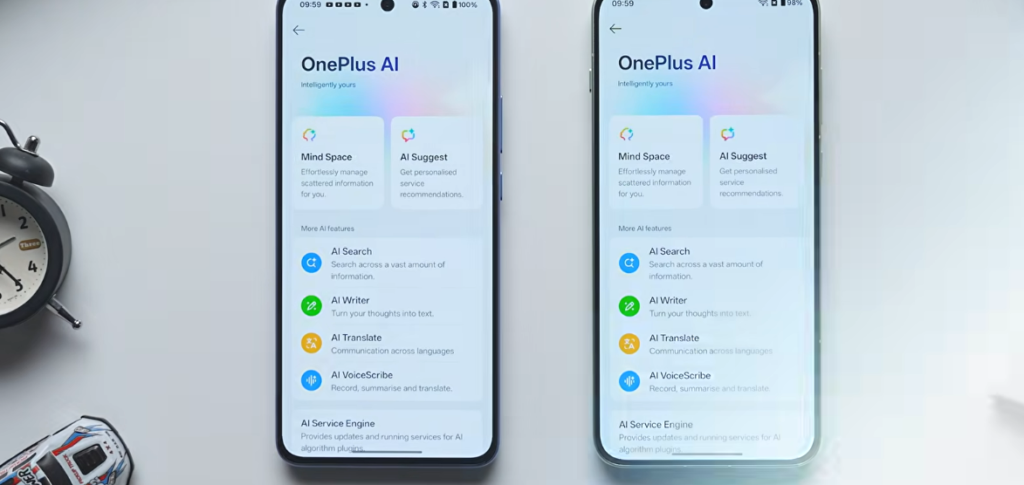
Whether OxygenOS has strayed too far from its simple, minimalist origins is still up for debate in enthusiast communities, and to be honest, it’s a fair discussion. Longtime OnePlus users recall a period when the OS took great pride in being inconspicuous. With their ecosystem integrations and AI features, the more recent iterations seem more ambitious. What you initially desired from the phone will likely determine whether that is growth or drift. There are dozens of comments in Reddit threads devoted to the subject, with users expressing both gratitude for the new features and a certain yearning for the previous simplicity.
OnePlus has been making steady progress with updates. On March 16, 2026, the most recent rollout, build version B50P01, which covered a variety of devices running several OxygenOS versions, started to phase out. Stability enhancements, a new auto-open option for files received in OnePlus Share, and increased support for app clones in the Content Portal are the only noteworthy aspects of the update. little things. However, OnePlus appears to recognize that trust is developed between a software team and its users through small, regular actions.
Perhaps what’s coming, rather than what’s here, is the more intriguing story at the moment. Anticipation and anxiety are already being generated by OxygenOS 17, which is anticipated to be built on Android 17. It is commonly anticipated that several devices, such as the OnePlus 11R, OnePlus 10T, OnePlus Nord 3, and both OnePlus Pad models, will not be included in the update. The exclusion list closely matches the company’s published software support policy, although the company hasn’t made an official announcement. That’s a subtle but clear indication to users who are clinging to outdated hardware that the cycle of upgrades won’t end.
To its credit, OnePlus has begun to offer a few devices with up to six-year support windows. In a field where two years of updates were once regarded as generous, that represents a significant change. It remains to be seen if the company maintains consistency throughout its product lineup during that time, but the commitment itself implies a recognition that customers are fed up with planned obsolescence masquerading as advancement.
OxygenOS has consistently excelled at giving the impression that it was designed with the user in mind rather than a spec sheet or a press release. More than any particular feature, it is this quality that has kept the platform’s user base devoted even as rivals have become more skilled. All things considered, Android has improved. For the most part, OxygenOS has been able to keep ahead of that increasing tide. Over the coming year, it will be interesting to see if OxygenOS 17 maintains that course or falters due to its own ambition.
