

I saw a theater one evening in Fremantle that was illuminated from behind by thin white muslin rather than velvet curtains. Instead of a normal picture, a flickering forest of shadows appeared. Like ancient nightmares, ghosts, wolves, and queens moved across the screen. Clare Testoni was the artist responsible for this otherworldly narrative, and her work was unlike anything I had ever seen.
Clare has been gradually accumulating a body of work that combines emotional intimacy, experimental projection, and folklore over the last ten years. Her plays take their time. They inhale. Her quiet narratives feel especially brave in a theater society that is increasingly compelled to shout.
She creates performances that are low-tech and incredibly creative by drawing on her experience with shadow puppetry and visual projection. Her approach, which frequently incorporates hand-cut silhouettes, vintage lighting, and sporadic flashes of digital animation, has been incredibly successful in connecting with viewers of all ages. Her plays allow for emotional interpretation rather than imposing meaning.
Clare skillfully and elegantly reinterpreted classic fairy tales in Tale of Tales, a performance that won the esteemed Blue Room Award. The performance was emotionally insightful in addition to being exquisitely presented. Without comment, characters alternated between suffering and beauty, letting silence carry the burden. The purpose of that quiet was very evident.
| Element | Details |
|---|---|
| Name | Clare Testoni |
| Profession | Writer, Playwright, Puppeteer |
| Artistic Mediums | Shadow puppetry, live performance, digital projection, folklore storytelling |
| Notable Works | The Double, Tale of Tales (Blue Room Award), The Beast and The Bride, West of the Moon |
| Affiliations & Training | Spare Parts Puppet Theatre, Studio McGuire (UK), Shadow Puppetry Institute (Germany) |
| Other Projects | Singing Bones podcast, fiction in Westerly and South of the Sun |
| Current Base | Fremantle, Western Australia |
| External Link | ClareTestoni.com |
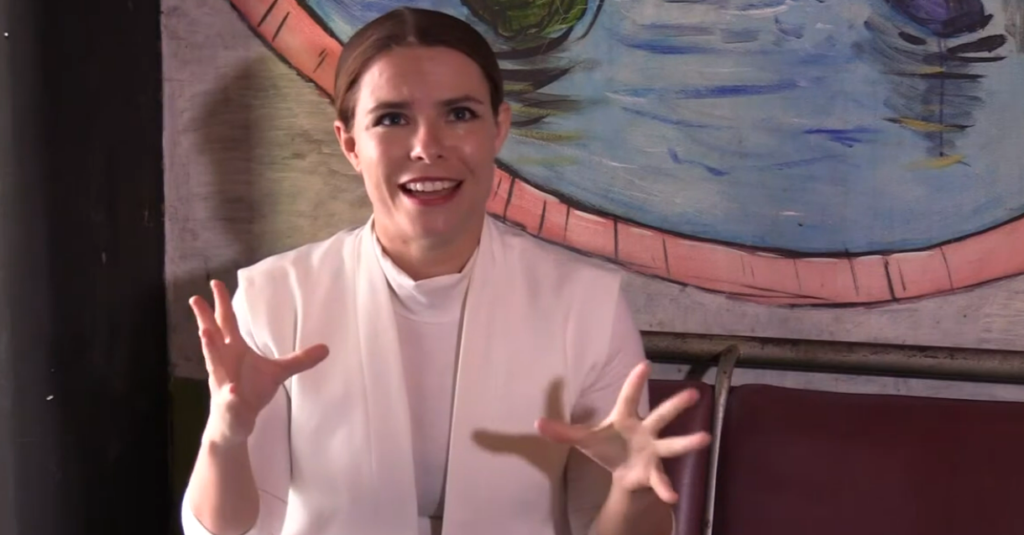
Her method is especially creative because it strikes a balance between tradition and technique. She uses contemporary instruments to filter traditional folklore. This blend of digital flair and analog expertise creates a format that is both classic and modern.
She has a great fascination in myth. Clare examined the dark sides of classic fairy tales in her now-archived podcast Singing Bones, emphasizing their historical significance and psychological impact. It was like exploring a library of stories by candlelight while listening to those episodes; each one was haunting but oddly comforting.
Claire’s versatility has been demonstrated through her work in paper, sound, and theater. Her works of fiction, which frequently share the same lyrical melancholy as her performances, have been published in literary publications such as Westerly and South of the Sun. It’s like finding a storybook in a forgotten drawer when you read her prose.
Her subdued style became especially relevant during the pandemic. She delved toward the personal at a time when many productions used bombast and became digital. These activities felt like tiny acts of emotional survival, such as gently lit sceneries, stories that didn’t try to explain everything, and modest online shadow shows.
Her use of constraint informs her theatrical decisions. Not minimalism in and of itself, but narrative that purposefully eschews spectacle unless it advances the plot. She performs extremely well because of this mindset, not in terms of scale but rather in terms of emotional yield. Every shadow earned, every flicker on her screen taken into account.
The emotional tone is one aspect of her work that I’ve always noticed to be remarkably consistent. There’s a feeling that her stories—whether about wolves, witches, or lost girls—are more than just fairy tales; rather, they serve as guidelines for comprehending loss, bravery, and longing. Her tales are more than just amusing. They recall.
Clare’s work is especially helpful in the context of modern theater, when spectacle frequently triumphs over spirit. It instructs us to take our time, pay close attention, and allow ambiguity to exist on stage for a little while longer. That in and of itself seems subtly subversive.
Interviews seldom touch on her personal life, particularly her relationship with novelist Craig Silvey and their three daughters. However, her work has an emotional clarity that betrays a wealth of lived experience. Her stories seem to come from a drive to preserve rather than a wish to impress.
Without weakening her voice, Claire has broadened her artistic toolset through smart partnerships with international workshops, independent venues, and Spare Parts Puppet Theatre. Every project never feels like just another job; rather, it’s an extension of her artistic integrity.
She has also been a mentor to emerging artists in recent years, pushing them to see theater as a kind of remembering rather than merely a performance. Lessons that appear increasingly rare but are desperately needed are patience, narrative layering, and the importance of imperfection, all of which are emphasized in her workshops.
Her work never panders, which is what I find most admirable. Even her kid-friendly creations, such as West of the Moon, recognize that youngsters are capable of handling complexity. Fairy stories have not been sanitized. They are emotionally honest and have depth. Clare has faith in her audience, and that faith is frequently multiplied threefold.
Public interest in her art has significantly increased since the beginning of her shadow performances. Word-of-mouth continues to be her greatest strength. Not everyone only attends her performances. Like stories that are passed down through the centuries, they carry them.
Clare Testoni’s silent theater is a gift at a time when too much digital information makes subtleties difficult to hear. Her shadows are illuminating rather than obscuring. By doing this, they serve as a reminder that even the smallest light may create a memorable impression.
